An Andean valley capital where centuries-old weaving traditions are still practiced in workshops a short walk from the cathedral.
I went to Catamarca expecting a standard provincial capital and left thinking about textiles more than anything else. That wasn’t the plan. It’s just what happened once I started asking questions.
The Cathedral and Its Virgin
The Catedral Basílica de Nuestra Señora del Valle dominates the central plaza, and it’s one of the more important pilgrimage sites in northern Argentina — the small statue of the Virgen del Valle housed inside draws tens of thousands of pilgrims every December. I visited on an ordinary Tuesday, and even then the interior held a steady trickle of quiet visitors lighting candles, murmuring, kneeling in ways that felt entirely unperformed. Lia and I sat in a back pew for a while, not for any religious reason particularly, just because the building asked for that kind of pace.

The Weavers
Catamarca province has one of Argentina’s oldest continuous textile traditions, rooted in pre-Hispanic techniques adapted over centuries — ponchos, blankets, and the fine wool shawls that the region is genuinely famous for among people who know textiles. I found a small workshop a few blocks from the plaza where three generations of the same family worked wooden looms that looked, and probably were, decades old. The grandmother running the shop showed me a poncho that had taken her over two months to weave, using vicuña wool so fine it barely seemed real between my fingers. I asked how much it cost. She told me, and I understood immediately why: the price was in the hours, not the wool.

A Valley City, Not a Mountain City
Catamarca sits in a valley ringed by the Sierra de Ambato and Sierra de Ancasti, close enough to feel their presence but far enough that the city itself stays warm and dry most of the year — locals joke that it’s the hottest provincial capital in the country, and after a February afternoon there I believe them completely. The heat thins out the crowds in the plaza by midday and fills the shaded arcades instead, which is where most of the real conversation in the city seems to happen.
When to go: April through September, avoiding the extreme summer heat that can push well past 40°C. December, despite the heat, is when the Virgen del Valle pilgrimage transforms the entire city, if you don’t mind the crowds.
Keep exploring
More from Argentina
 argentina
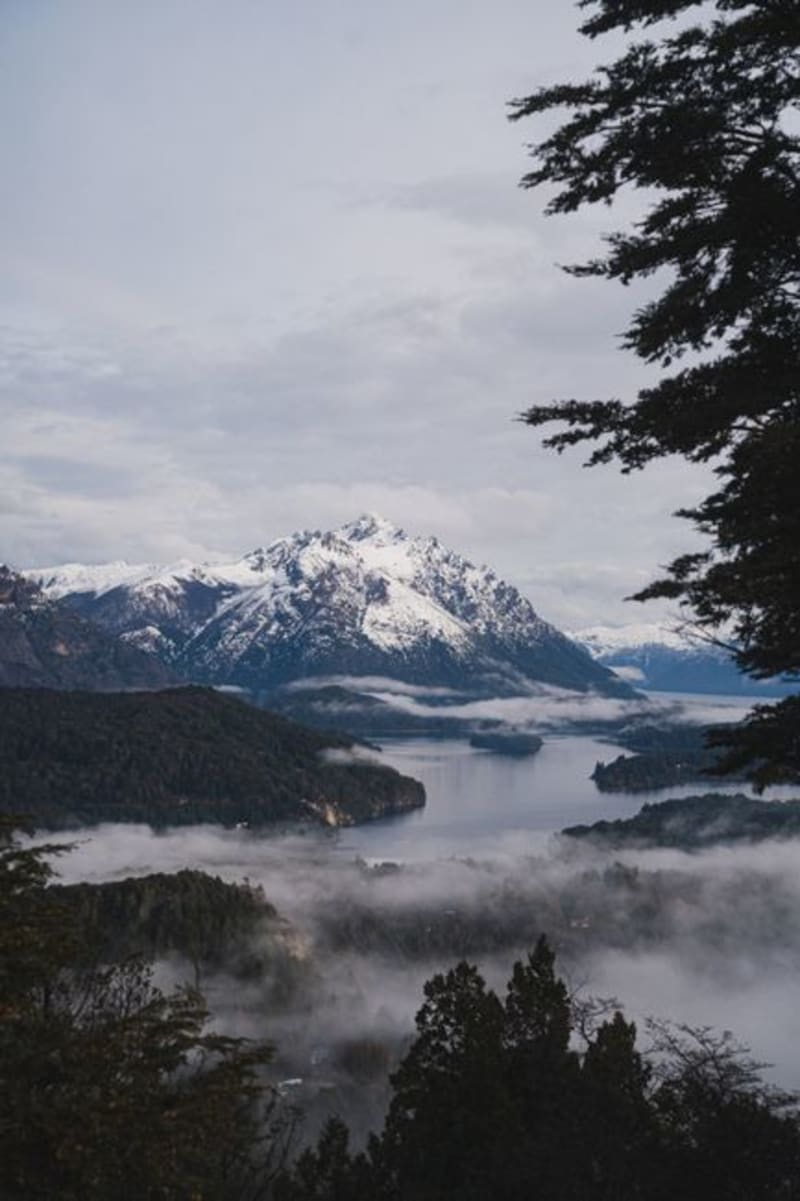
 Cerro Catedral
South America's largest ski resort, rising above Bariloche with jagged cathedral-spire peaks and lake views.
Explore argentina
 Cerro Uritorco
The tallest peak in Cordoba's sierras, a popular hike above Capilla del Monte wrapped in decades of mystic lore.
Explore argentina
 Chascomús
A pampas lagoon town where gaucho tradition meets some of Buenos Aires province's best birdwatching.
Explore argentina
 Chilecito
A former mining boomtown in La Rioja province where a century-old cable car system still climbs the mountains above the vineyards.
Explore argentina
 Chos Malal
A dusty, historic town in northern Neuquén where the lake district's forests give way to Andean high desert.
Explore argentina
 Colón
A riverside resort town on the Uruguay with the country's finest beaches on this bank, and El Palmar's palm groves just south.
Explore