Calingasta
"Calingasta feels like Argentina before Argentina decided what it was going to be."
A remote Andean valley in San Juan province strung with adobe villages, colonial ruins, and irrigation canals older than the republic.
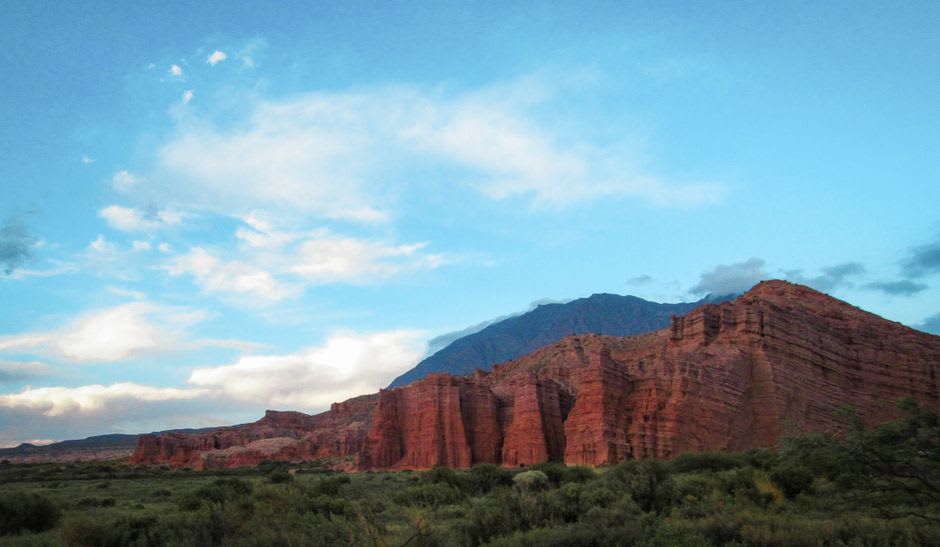
Getting to Calingasta requires a decision. The road in from Barreal is unpaved for stretches, winding along the Los Patos river through a valley so narrow the mountains seem to lean in on both sides, and by the time I arrived I understood why so few tourists bother. That’s precisely what makes it worth the drive.
A Valley of Small, Old Villages
Calingasta the department is really a string of villages — Calingasta itself, Tamberías, Villa Nueva, Sorocayense — none of them large enough to have a proper hotel strip, all of them built from adobe the color of the surrounding hills. I stopped in Tamberías for lunch and ended up talking for an hour with the woman running the almacén, who told me her family had irrigated the same fields using channels dug by the Huarpe people centuries before the Spanish arrived. The canals are still in use. Nobody had thought to mention that to me before I asked.
The Ruins of Colonial Ambition
Above the village of Calingasta sits the ruined Capilla de Colonia Las Hornillas and the remains of an old Jesuit-linked settlement, walls of stone and mud slowly returning to the landscape they came from. Lia and I walked up in the late afternoon, and the light did something to the ruined walls that made them look almost intentional, as if erosion were a form of design. There’s no ticket booth, no signage beyond a small plaque. You just arrive and are left alone with it.
Where the Andes Actually Feel Close
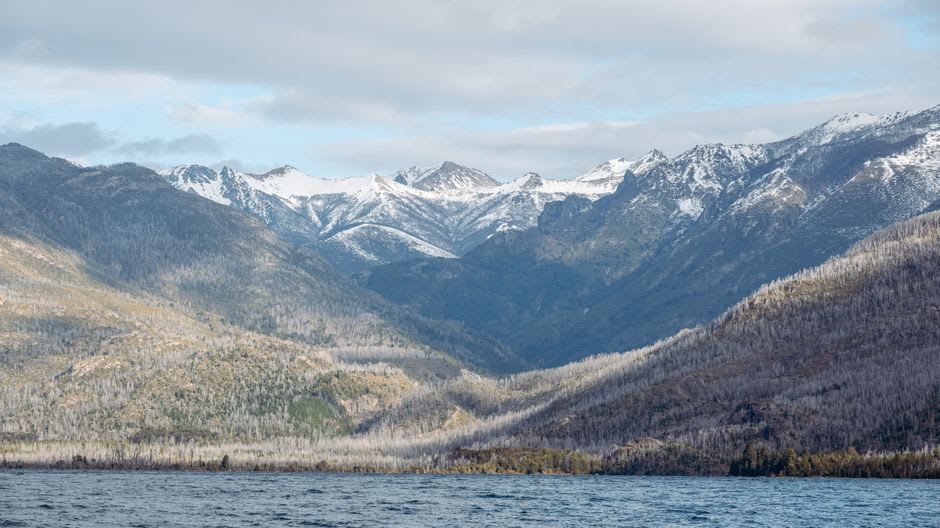
Because Calingasta sits directly beneath the higher cordillera, several passes toward Chile are visible from the valley floor on a clear day, and a handful of quiet dirt roads climb toward mining ghost towns and abandoned railway stations that once served ore trains headed for the coast. I didn’t have the days to chase all of it down, which gave me the rare, slightly frustrating pleasure of leaving a place still curious about it.
When to go: October through April, avoiding the coldest high-altitude months. Late spring (October, November) brings green to the irrigated fields against the dry hillsides, which is when the contrast is most striking.
Keep exploring
More from Argentina
 argentina
 Capilla del Monte
A Cordoba sierra town famous for UFO sightings and mystic tourism, sitting at the base of Cerro Uritorco.
Explore argentina
 Catamarca City
An Andean valley capital where centuries-old weaving traditions are still practiced in workshops a short walk from the cathedral.
Explore argentina
 Cerro Catedral
South America's largest ski resort, rising above Bariloche with jagged cathedral-spire peaks and lake views.
Explore argentina
 Cerro Uritorco
The tallest peak in Cordoba's sierras, a popular hike above Capilla del Monte wrapped in decades of mystic lore.
Explore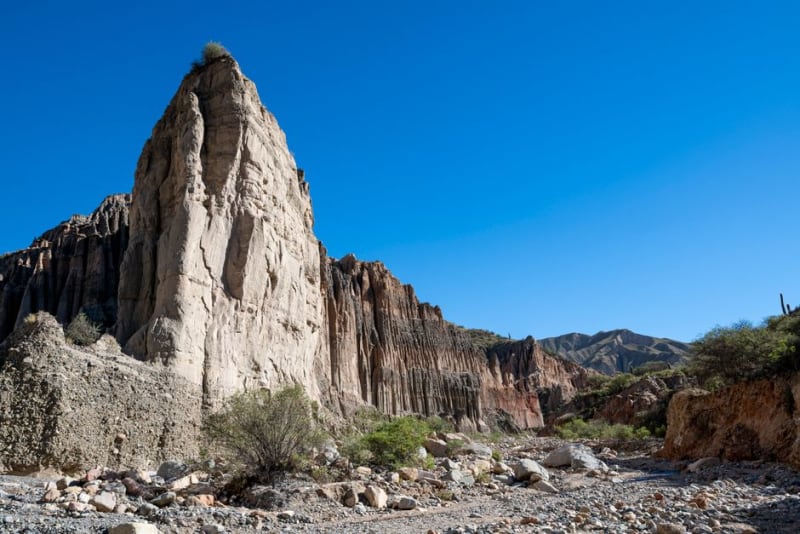 argentina
 Chascomús
A pampas lagoon town where gaucho tradition meets some of Buenos Aires province's best birdwatching.
Explore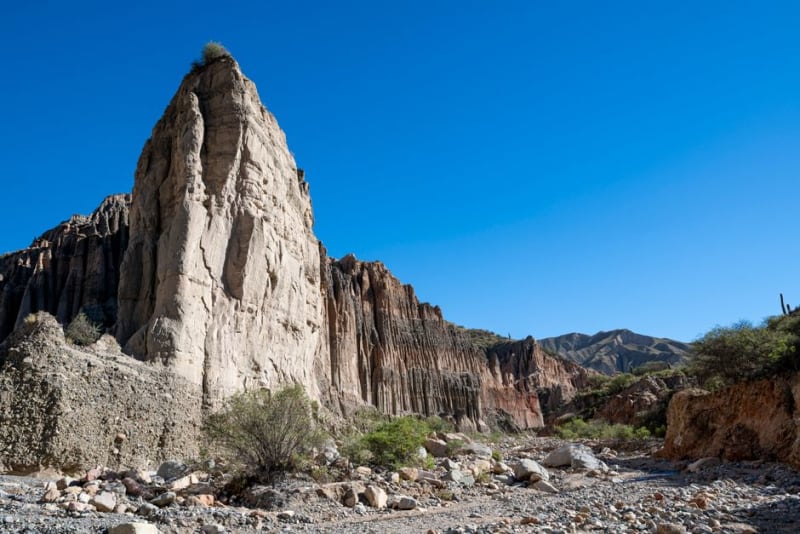 argentina
 Chilecito
A former mining boomtown in La Rioja province where a century-old cable car system still climbs the mountains above the vineyards.
Explore