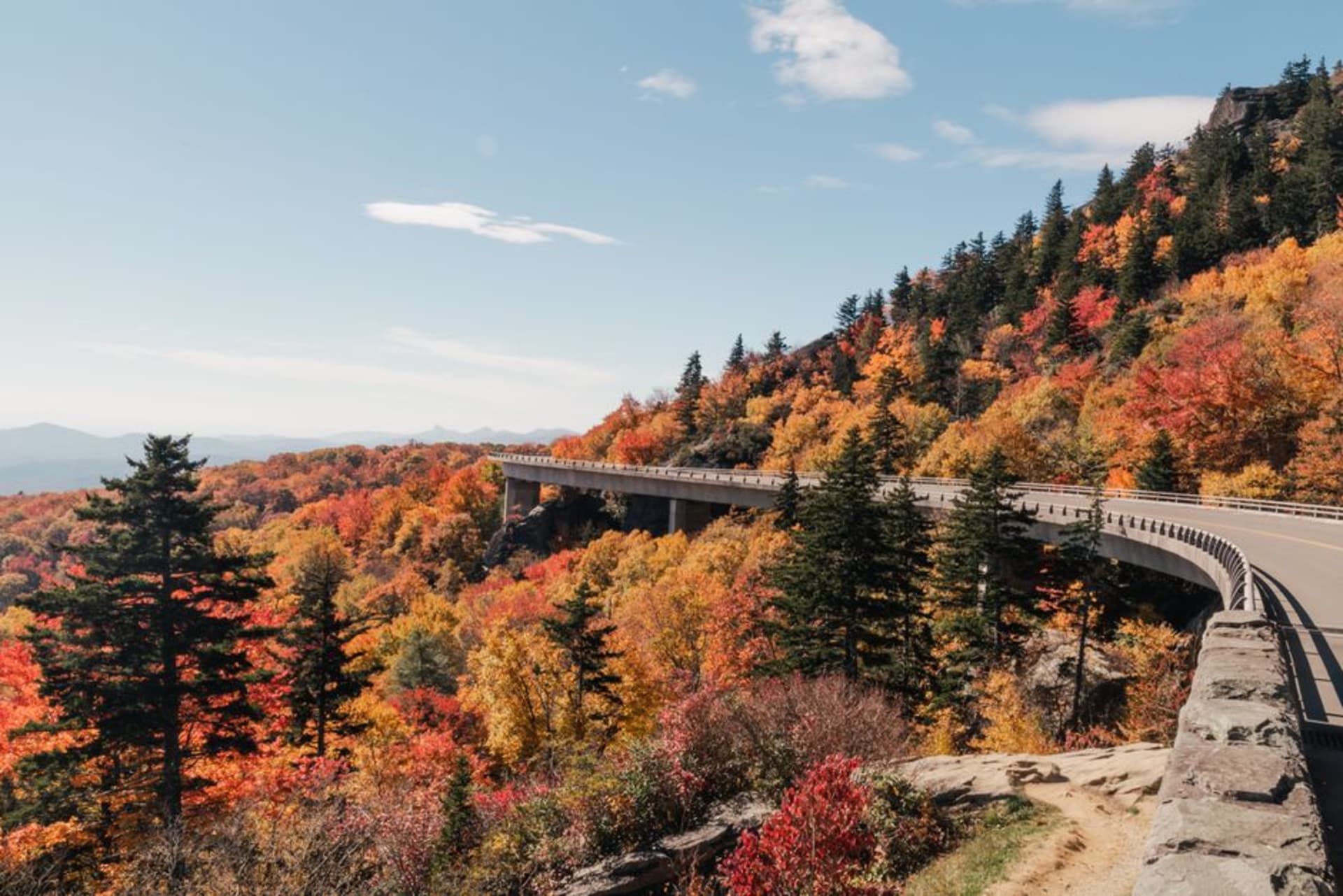
Blue Ridge Parkway
"Some roads take you somewhere. This one just wants you to slow down."
A 469-mile ridgeline drive with no billboards and no rush, linking two national parks through the oldest mountains in America.
Lia and I drove onto the Parkway at Shenandoah on a Tuesday morning with no real plan beyond “follow it south,” and that turned out to be the entire point. There’s something disorienting about a 469-mile road with no gas stations, no billboards, no trucks barreling past you — just overlook after overlook, each one framed like someone actually thought about where you’d want to stop. I kept forgetting we were driving through a national park, technically the most-visited one in the whole system, more people passing through here every year than Yellowstone or the Grand Canyon. It didn’t feel crowded. It felt like the road was built for exactly one car at a time, which in a way it was.
We stopped for lunch near a pull-off where an old split-rail fence marked what used to be a mountain farmstead, and I sat on the hood of the car eating a sandwich thinking about the fact that this whole route started in 1935, one of Roosevelt’s New Deal projects, men building a road along a ridge with hand tools and mule teams, and it wasn’t actually finished — the last stretch near Grandfather Mountain — until 1987. Over fifty years to build one road. Lia pointed out that most of the “highways” we take for granted in France were rammed through in a decade. There’s a patience to this one that you can feel in the curves, like nobody was in a hurry to be done.
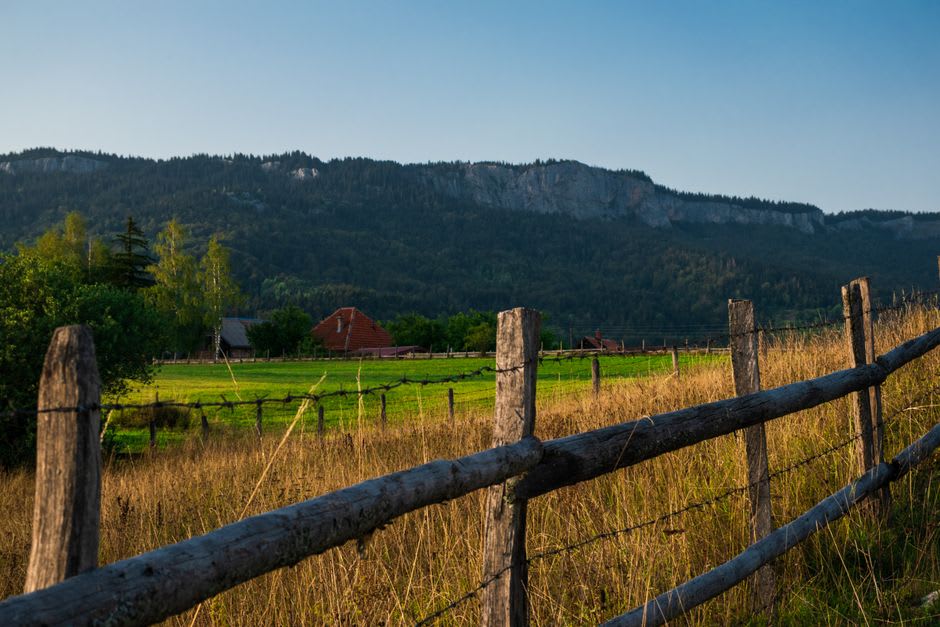
By the second day we’d learned to just pull off whenever the light looked right, which on this road is often. We ducked through one of the old tunnels blasted straight through the rock — dark for maybe ten seconds, then back out into all that green — and Lia said it felt like the road was designed to make you gasp on a schedule. Maybe it was. Every overlook has a name and a little marker with elevation and mileage, small reminders that someone spent decades deciding exactly where you should stop the car.
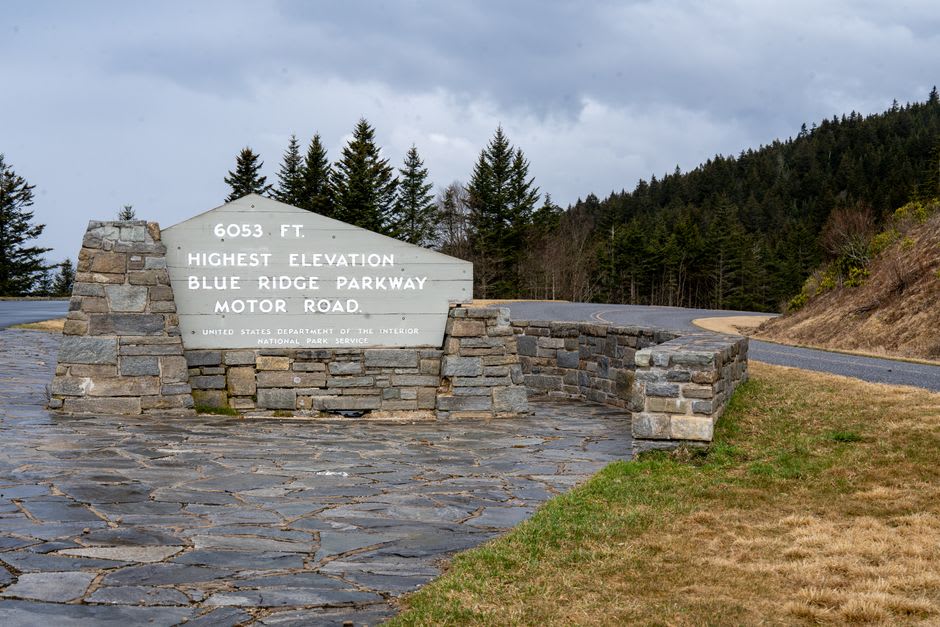
We crossed into North Carolina and kept going until the ridges started looking properly smoky, blue-grey layers stacked behind each other all the way to Great Smoky Mountains, and that’s when it clicked why they call this range the Blue Ridge in the first place. It’s not a metaphor. It’s just what the mountains do to light.
When to go: We went in early fall and it was already spectacular, but everyone we met along the way told us mid-to-late October is when the ridgeline properly catches fire with color — just know you won’t be the only one who got the memo, and the overlooks fill up fast.