Prickly Pear Cays
"An island you can only reach by boat keeps the day-trippers honest. It also keeps them few."
There is a particular smugness that comes from reaching a place by boat, and I felt every gram of it on the morning we motored out to the Prickly Pear Cays. They sit about ten kilometres off Anguilla’s north shore — two low, scrub-covered cays with no residents, no electricity and no jetty, which is exactly why they remain worth the effort. You arrive by chartered boat from Sandy Ground, the engine cuts, and the silence that replaces it is the first thing you notice.
The crossing and the colour
The trip out takes roughly thirty minutes, depending on the swell and the mood of your captain. Ours was a man named Glenroy who had the relaxed competence of someone who has done this crossing several thousand times and the conversational pacing to match. As we approached, the water did the thing that Caribbean water does in brochures and almost never does in person — it graded from deep navy through a band of jade into a shallow turquoise so clear that the boat appeared to be floating on glass. Lia leaned over the side and announced she could count the individual ripples in the sand four metres down.
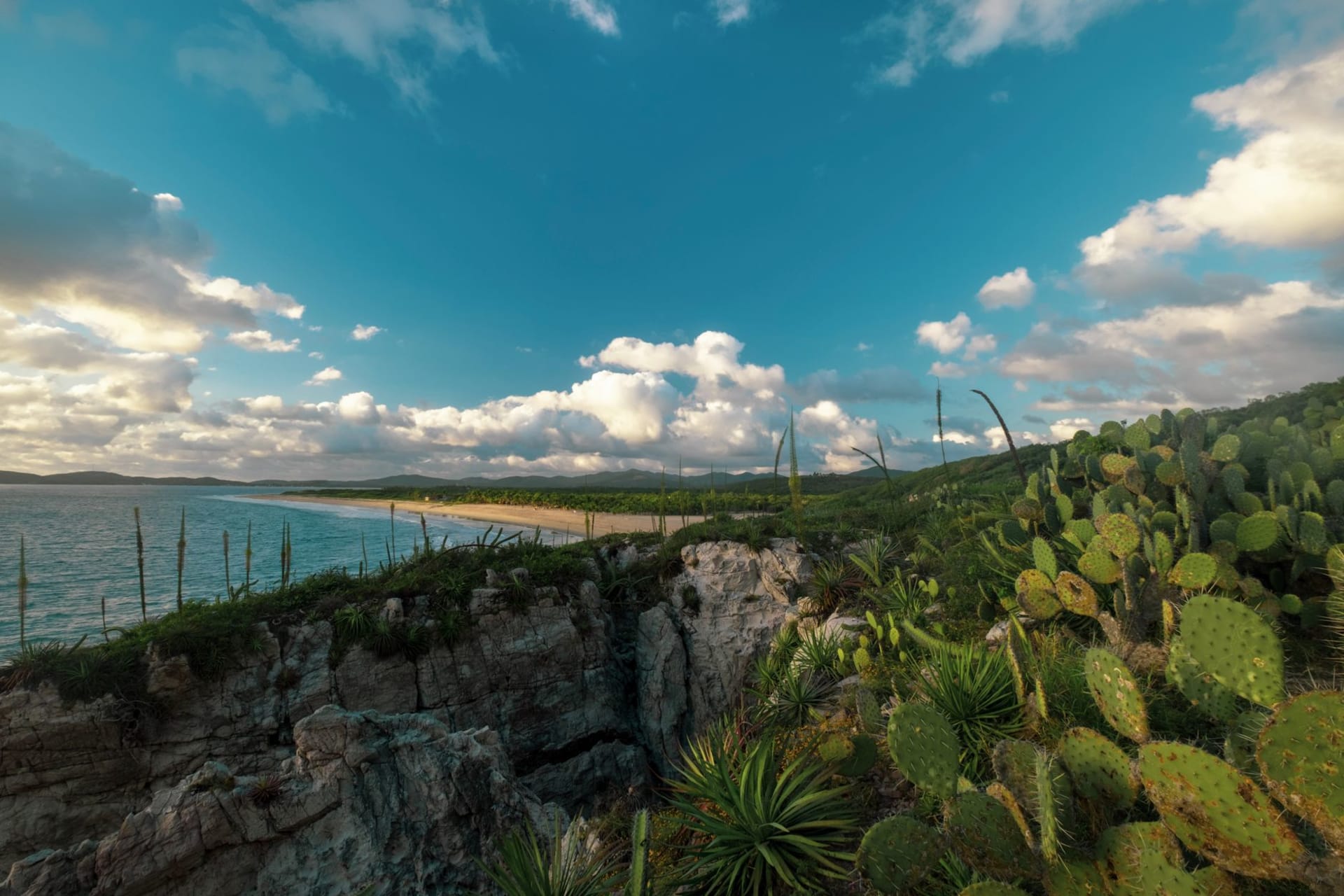
The cays themselves are unspectacular at first glance: low, dry, covered in sea grape and the prickly pear cactus that gives them their name. The point is not the land. The point is the reef on the western side, which drops off the edge of a white sandbar into deeper water and is, without exaggeration, some of the best easy snorkelling I have done. You wade off the beach, put your face in the water, and within thirty seconds you are over staghorn coral, sergeant majors, parrotfish and the occasional indifferent nurse shark dozing on the bottom.

Lunch at the shack
There is exactly one establishment on the cays — a beach shack that grills crayfish and the day’s catch over an open fire and serves it on paper plates with a rum punch that I can only describe as structurally unsound. It should not work as a business and yet it has been working for decades, mostly because the boat captains and the shack operate in a comfortable symbiosis that nobody seems to question. We ate grilled crayfish with our fingers under a tarpaulin while a speaker played soca at a volume calibrated to be present but not intrusive.
I tend to be suspicious of “barefoot island lunch” experiences because they are so often manufactured, but this one had the genuine article’s defining feature: a complete absence of effort to impress. The crayfish was excellent because it was fresh, not because anyone had styled it. After lunch I lay in the shade for an hour and did the most productive thing a person can do on an uninhabited cay, which is nothing whatsoever.

When to go
The cays are a dry-season destination — roughly December through April — when the crossing is calmest and the visibility on the reef is at its best. Boats run as day trips from Sandy Ground; book ahead in high season because the shack and the captains have a finite capacity and the cays are protected, which keeps the numbers blessedly low. Bring reef-safe sunscreen, since there is no shop and no shade beyond the tarpaulin.