Island Harbour
"The lobster at Scilly Cay was caught this morning, and you can tell — there is no past tense in this food."
Island Harbour wakes up early and with purpose. I arrived at six-thirty in the morning on the advice of a man at my guesthouse who said that if I wanted to see the boats go out I should be there at dawn, which I nearly wasn’t and am glad I was. The harbor — more of a protected bay than a harbor in any engineered sense — holds maybe thirty or forty small open fishing boats, wooden-hulled and painted in the bright, unapologetic colors that Caribbean fishing communities apply to their boats with the same care they might give a front door. They went out in pairs and singles as the sky lightened, running toward the reef, their engines carrying across the flat water and then fading into a quiet punctuated only by birds.
By eleven o’clock the morning catch was back in and the process of sorting and selling was happening on the beach and from the beds of pickup trucks. Lobster was the center of the trade — Anguilla’s spiny Caribbean lobster, which has no claws but makes up for this with a tail of extraordinary density and sweetness. I watched a transaction between a fisherman and a restaurant owner that involved weighing the lobster on a handheld scale, a negotiation conducted in English and Creole simultaneously, and a handshake. The whole thing took four minutes.

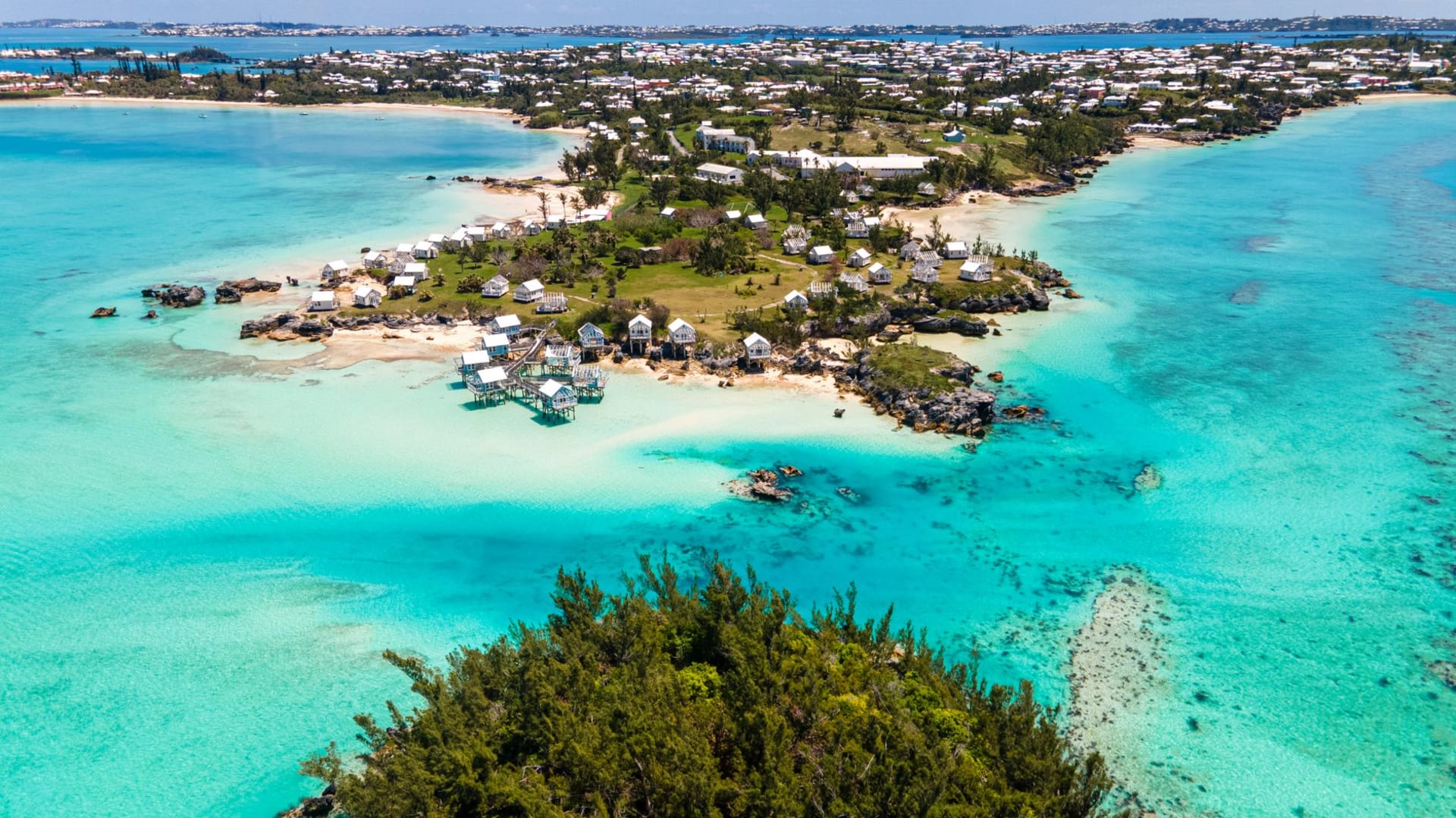
Scilly Cay is the reason most visitors find their way to Island Harbour. It is a tiny island — genuinely tiny, perhaps fifty meters across — a three-minute boat ride from the village, accessible by waving at the dock and waiting for the ferry, which is a wooden rowboat operated by a man who has been making this crossing for years and treats it with the practiced ease of someone running an elevator. The restaurant on the cay does one thing: grilled seafood. Lobster, fish, conch, done over charcoal, served at picnic tables under a roof that is mostly thatching and goodwill. The lobster arrived split and steaming, the flesh slightly charred at the edges and sweet at the center, with hot sauce and festival bread and a cold beer that was exactly the right temperature. I ate it slowly, facing the water, watching the boats in the harbor.
The village itself is low-key in a way that feels genuine rather than cultivated. There is a basketball court where teenagers play in the evenings, a rum shop on the edge of the water, a bakery I found by smell rather than signage. The eastern end of the island — which Island Harbour serves as a kind of hub — has a different character than the resort-adjacent western and southern shores: scrubby, sun-bleached, inhabited by people who have been here longer than the hotels.

On the headland above the harbor, there are some rock carvings left by the Arawak people — petroglyphs on limestone boulders, modest in scale but remarkable in their presence, thousands of years old and sitting in the open air with no protective structure around them. I found them after asking at the village and was directed by a woman who pointed vaguely east and said “you can’t miss them,” which was not accurate but which sent me on a twenty-minute walk along the cliff edge that was worth it for the view alone.
When to go: Island Harbour rewards a full morning — arrive by seven for the boats, stay for a Scilly Cay lunch at noon. The lobster season on Anguilla runs roughly July through March, so plan accordingly if that is your primary objective. Scilly Cay is closed Mondays and Tuesdays.