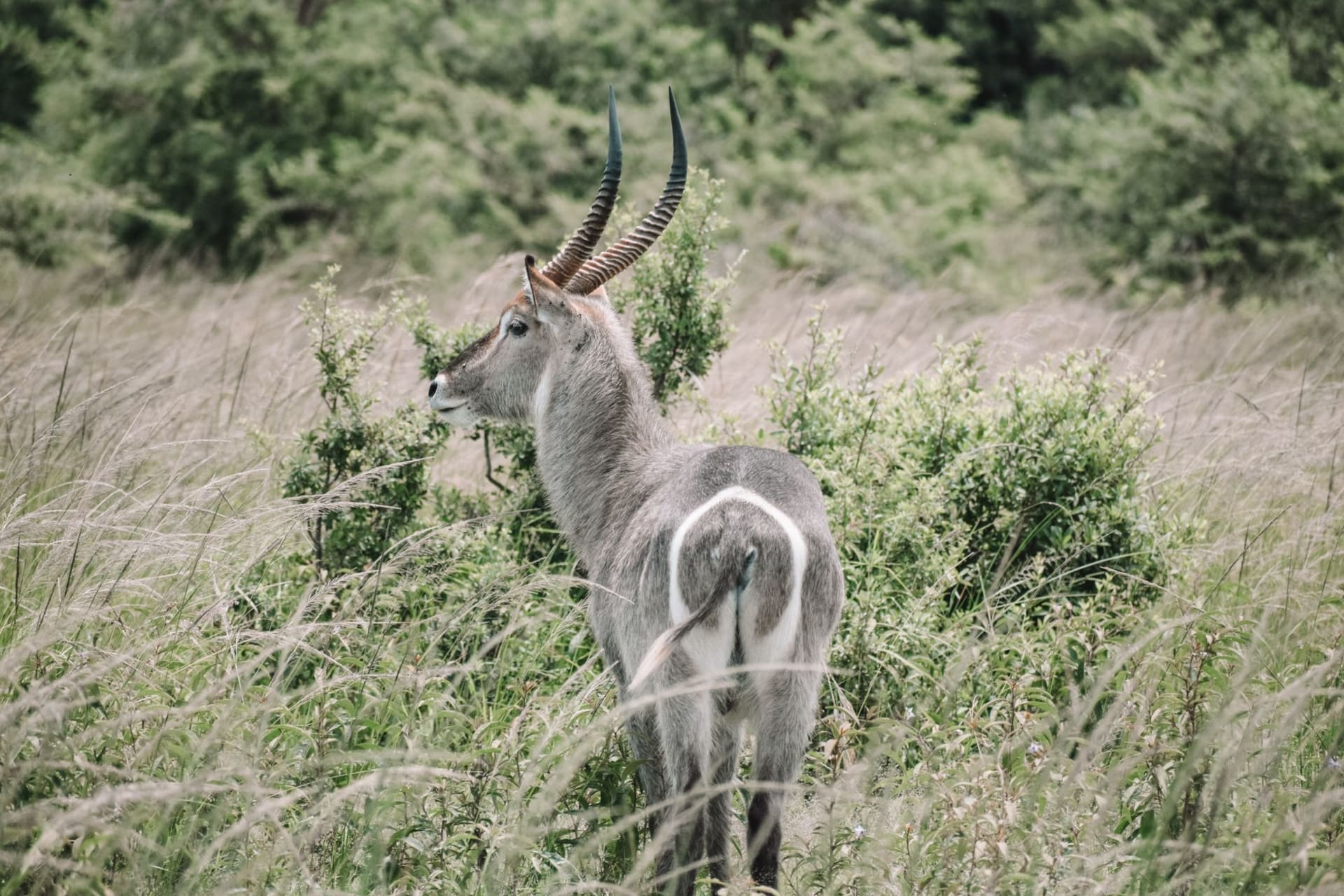
Kissama National Park
"This is what a second chance looks like — slow, improbable, and moving."
I had read about Operation Noah’s Ark before I came to Kissama, but reading about it and standing inside the park are different things. In the late 1990s, after two decades of civil war had reduced Angola’s wildlife to near-nothing — poachers with AK-47s, soldiers living off the land, a country that had other things to worry about than park management — a consortium of conservationists ran airlifts from Zimbabwe and Botswana, bringing in elephants, buffalo, wildebeest, and zebra to repopulate the park. The animals arrived in cargo planes and were released into a landscape that had forgotten them. Some of the elephants, it was later documented, had never seen such open space. The park had been a reserve since 1938 and had once held enormous populations of wildlife. By 2000, it held almost nothing.
When I drove into Kissama on a dry-season morning, the dust coming up orange-red through the scrub, I saw the first elephant within forty minutes. It was alone, moving parallel to the track at a distance that suggested it knew exactly where I was and had decided I wasn’t interesting. Its shoulder blades moved like machinery under the grey skin. It crossed the track without looking at my vehicle and disappeared into the mopane. I sat there with the engine off for a while after it was gone.
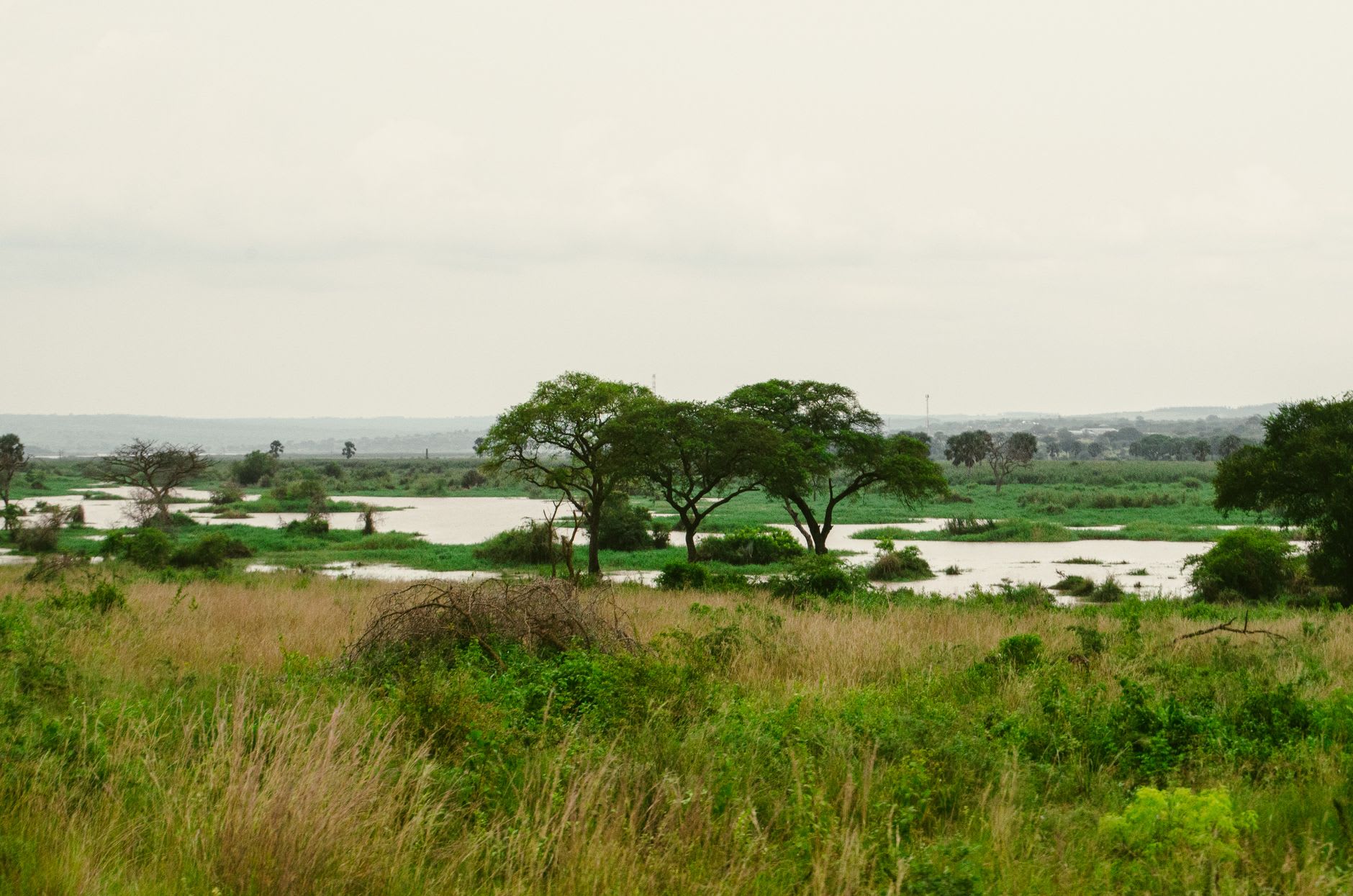
The park covers roughly nine thousand square kilometres between the Kwanza River in the north and the Longa River in the south, and it operates at a pace that rewards patience. This is not the Serengeti — the density of game is lower, the infrastructure is still developing, and you may drive for hours before a significant sighting. But the landscape itself holds a quality I didn’t expect: a rawness, a sense that recovery is ongoing, that you are watching something in process rather than visiting a finished product. The bush here feels genuinely wild, which is partly because it still is.
The Kwanza River forms Kissama’s northern edge and is worth seeing for its own sake. Hippos surface and submerge with prehistoric indifference, and the riverine vegetation along the banks is thick with birdlife — herons standing in the shallows, kingfishers launching off low branches, the occasional fish eagle releasing that cry that makes Africa sound like itself. I ate lunch on the riverbank from food I’d brought from Luanda — leftover muamba, warm beer — and watched a hippo rotate in the current like a log that couldn’t make up its mind.
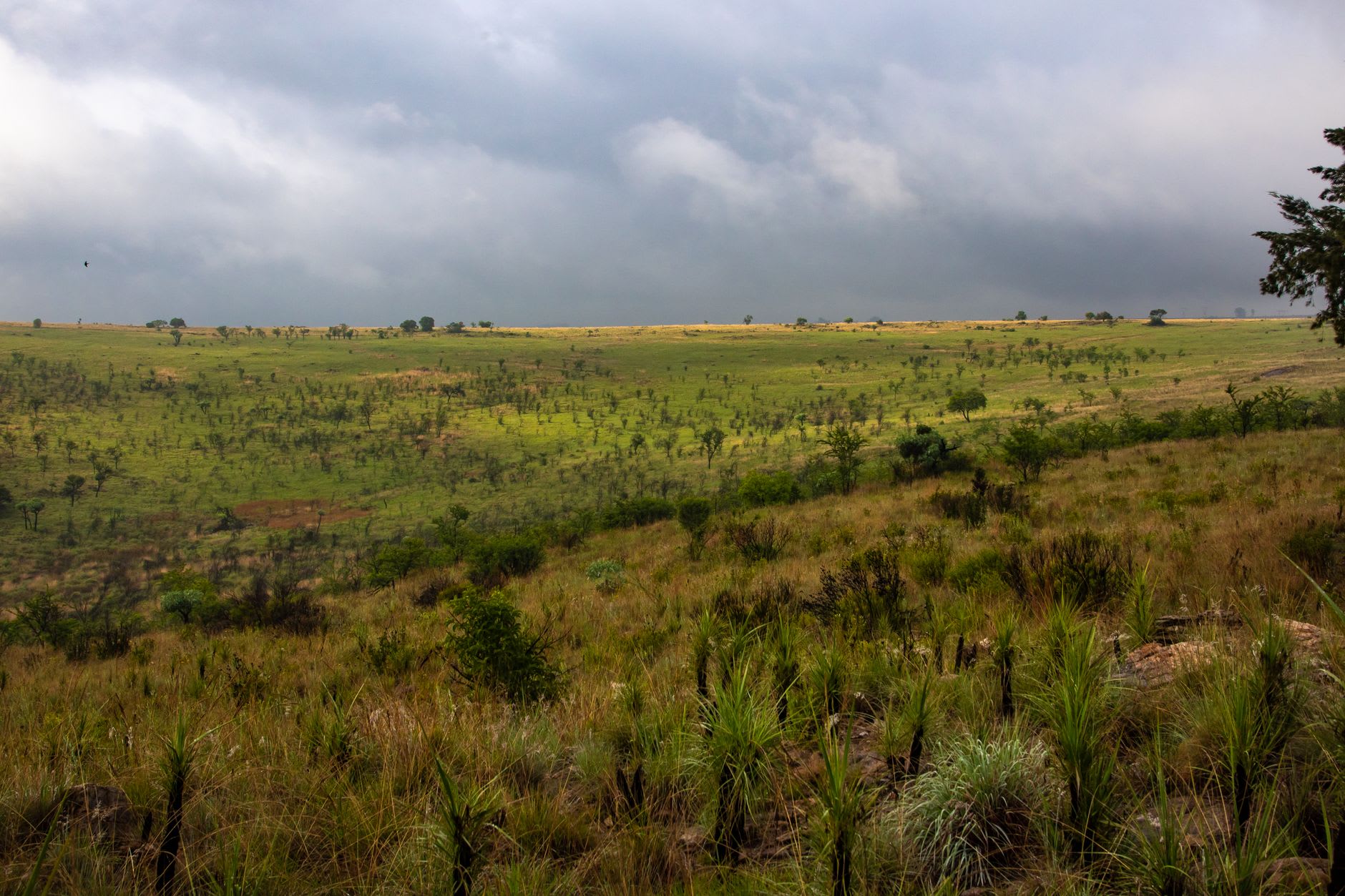
What I kept thinking about, driving back to Luanda in the late afternoon, was the human dimension of what had happened here. The animals were flown in by people who believed that a country emerging from war deserved to have its wildlife back. That is a particular kind of optimism — one that extends beyond the human and insists that the world should not simply be what it has become. Kissama is 70 kilometres from Luanda’s centre. You could be there in two hours and standing in front of an elephant in three. That proximity feels important. Angola is trying to remember itself, and the animals are part of the memory.
When to go: June through October is ideal — dry, cool, and with the low vegetation that makes wildlife easier to spot. The park is accessible year-round from Luanda by vehicle, but the wet season (November through April) can make some internal tracks difficult without 4WD. A day trip from Luanda is feasible but an overnight stay at the park lodge lets you catch the evening and early morning light, when animals are most active.