
Grandvalira
"You ski the same mountain in France and pay twice as much. Here they throw in the duty-free stop."
I arrived at Pas de la Casa from France on a February morning, coming through the Envalira tunnel from Font Romeu in a car that smelled of ski boots and coffee and the general exhaustion of having driven through the night from Paris. Pas de la Casa is the easternmost gateway into Grandvalira — raw, functional, built almost entirely for the business of skiing, with no architectural ambitions whatsoever — and it greets you with a wall of apartment blocks, a supermarket, and a smell of waxed skis warming up in the sun. I was ready to dislike it. Instead I found myself on the slopes by ten in the morning and happy in a way that skiing reliably produces in me regardless of context.
Grandvalira is genuinely large. The combined domain links Pas de la Casa and Grau Roig on the French-border side with Canillo, Encamp, and El Tarter in the heart of Andorra, producing 210 kilometres of marked runs across six sectors. It is not Verbier or Chamonix in terms of extreme terrain, but it is a legitimate mountain: the highest runs top out near 2,640 metres, there is a good spread of blue, red, and black pistes, and the snow reliability is solid — the Envalira plateau sits in a geographic position that catches weather systems from both Atlantic and Mediterranean sides. On the week I was there, the conditions were better than anything I had found in the French Pyrénées that season.
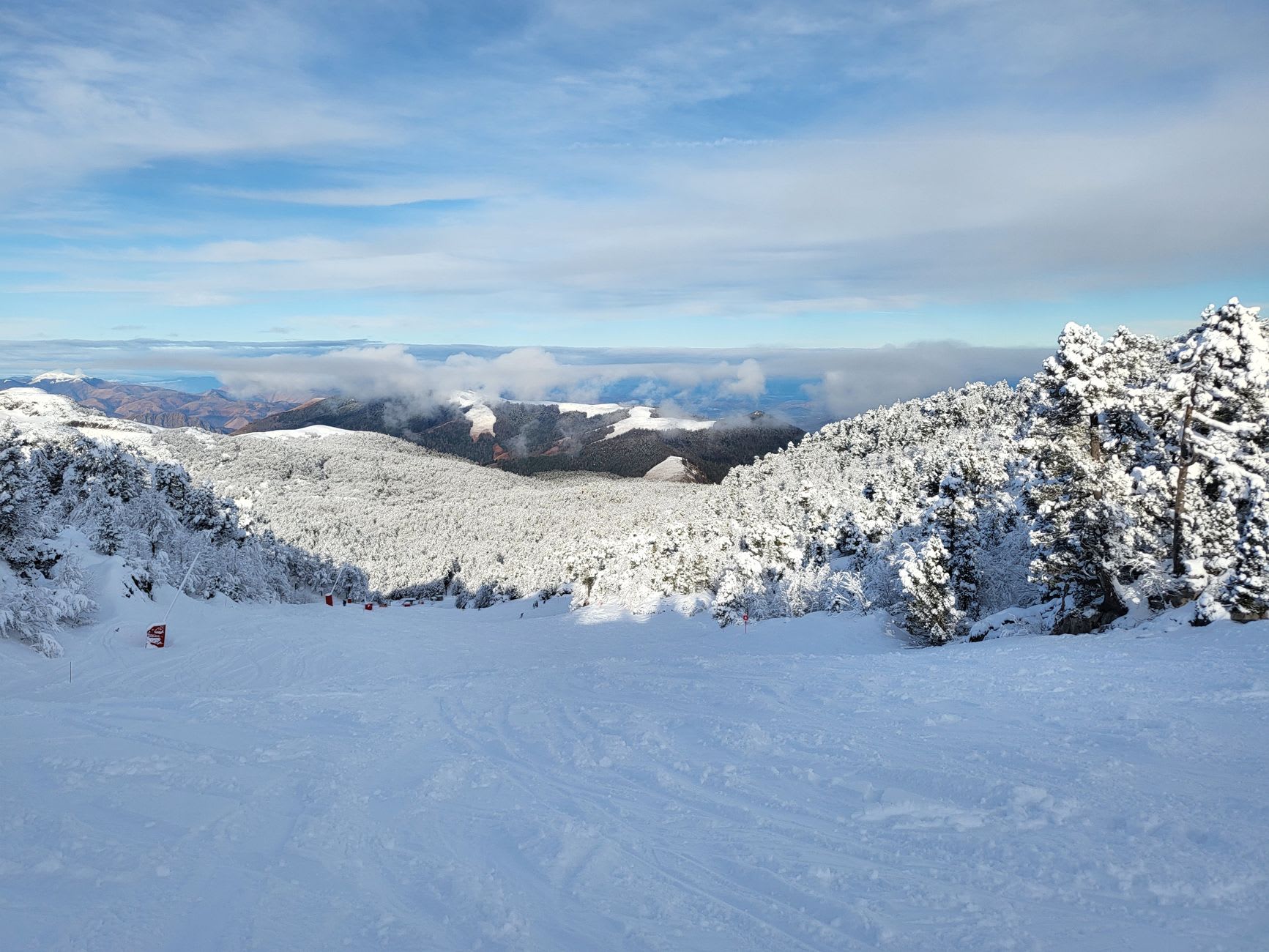
The price difference is what brings most people from France, and it is real. A week’s ski pass at Grandvalira runs noticeably cheaper than equivalent resorts in the Savoie Alps, and when you factor in duty-free petrol, food, and the ski equipment available at prices that make the French sports shop chains look embarrassed, a family holiday here costs meaningfully less. The resort towns themselves — Pas de la Casa has a certain rough energy after dark, El Tarter is quieter and more family-oriented — are not beautiful in the way that Morzine or Megève are beautiful, but they are efficient. Hot food appears quickly. Lifts run on time. The ski school is patient.
What surprised me was the off-piste potential in the Grau Roig sector. My guide — a local, Catalan-speaking, with an opinion about everything — took me into a bowl above the Pessons lakes that was untouched at ten in the morning, the snow granular and deep, and for twenty minutes the skiing was as good as anything I have done in the Alps. We emerged at a café at the bottom that served warm coca de recapte — a flat bread topped with roasted vegetables and anchovy — and the combination of exertion and altitude made it taste extraordinary.
The crowds concentrate at Pas de la Casa and along the main El Tarter runs on weekends when the Spanish and French come in numbers. Midweek in January or February the queues shorten dramatically and the mountain feels larger and quieter than it is on paper. The ski season runs from December through April, though the best snow window is typically January to early March.
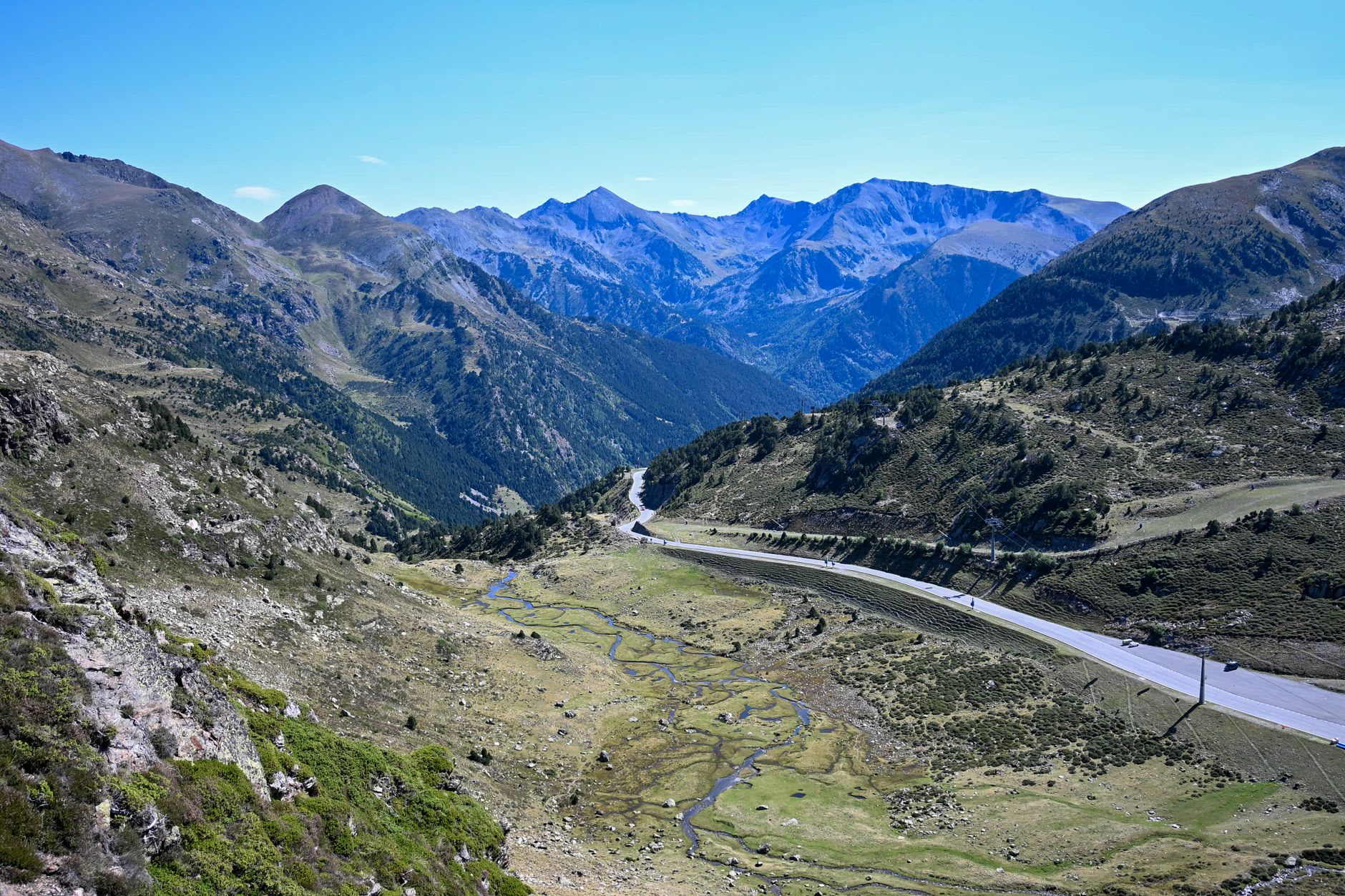
When to go: January and February for the best snow conditions; midweek for shorter lift queues. Early December and late March offer deals on accommodation and passes. Avoid the last two weeks of February and the first week of March when French school holidays send the resort to capacity. Summer visitors can use the lifts for mountain biking and hiking.