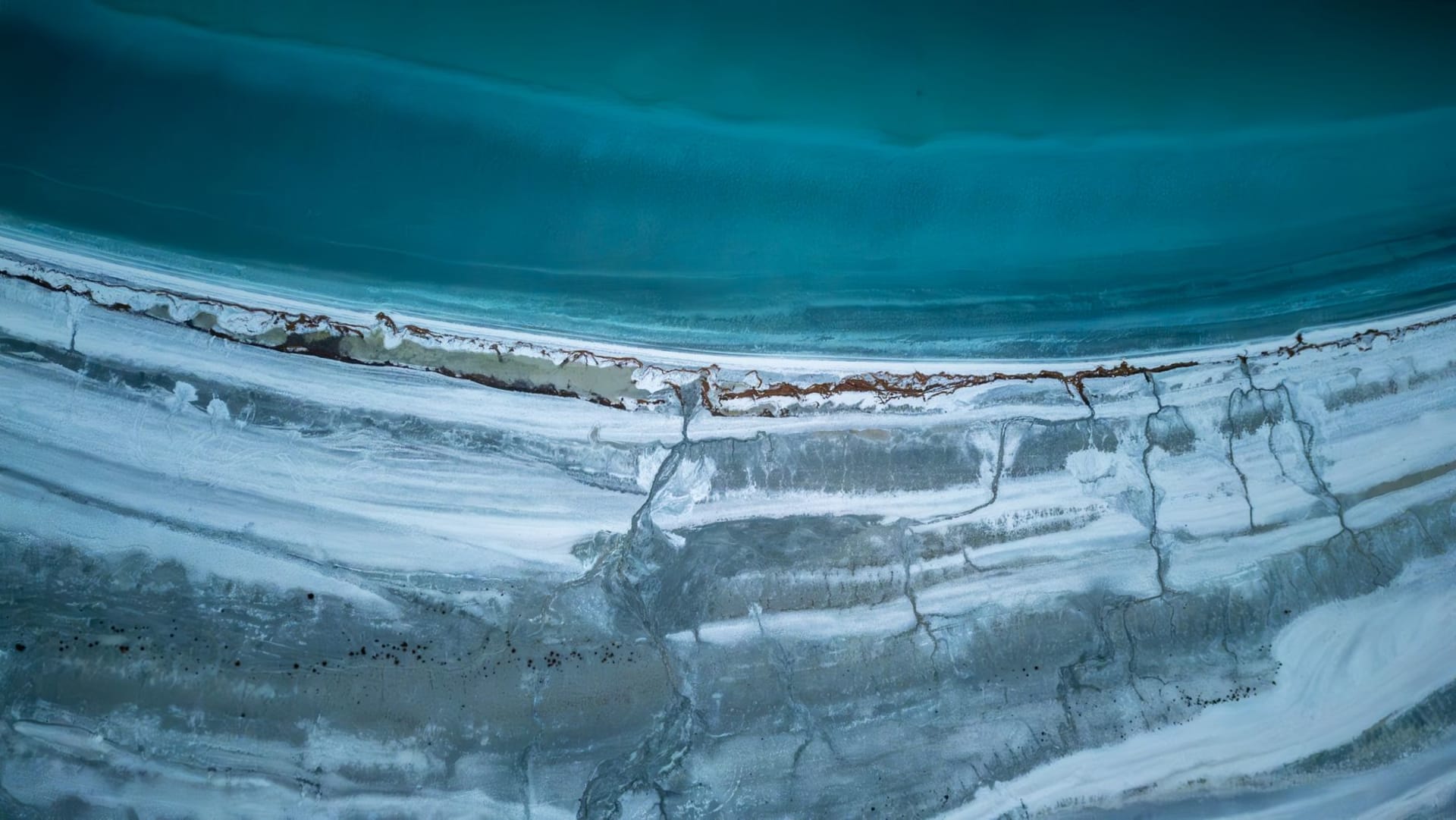
Tuz Gölü
"The salt flat is so flat it makes you question whether flat was something you'd fully understood before."
I got out of the car at the edge of Tuz Gölü in August, when the lake had evaporated down to a thin residual brine and the surface was a continuous sheet of white salt crystal. The heat hit immediately — not just air temperature but reflected light, the entire white expanse throwing the sun back at you from every direction. I put on sunglasses and still squinted. The nearest town, Cihanbeyli, had a petrol station and a tea house and not much else. This part of the plateau is not set up for visitors, which felt correct for a place this elemental.
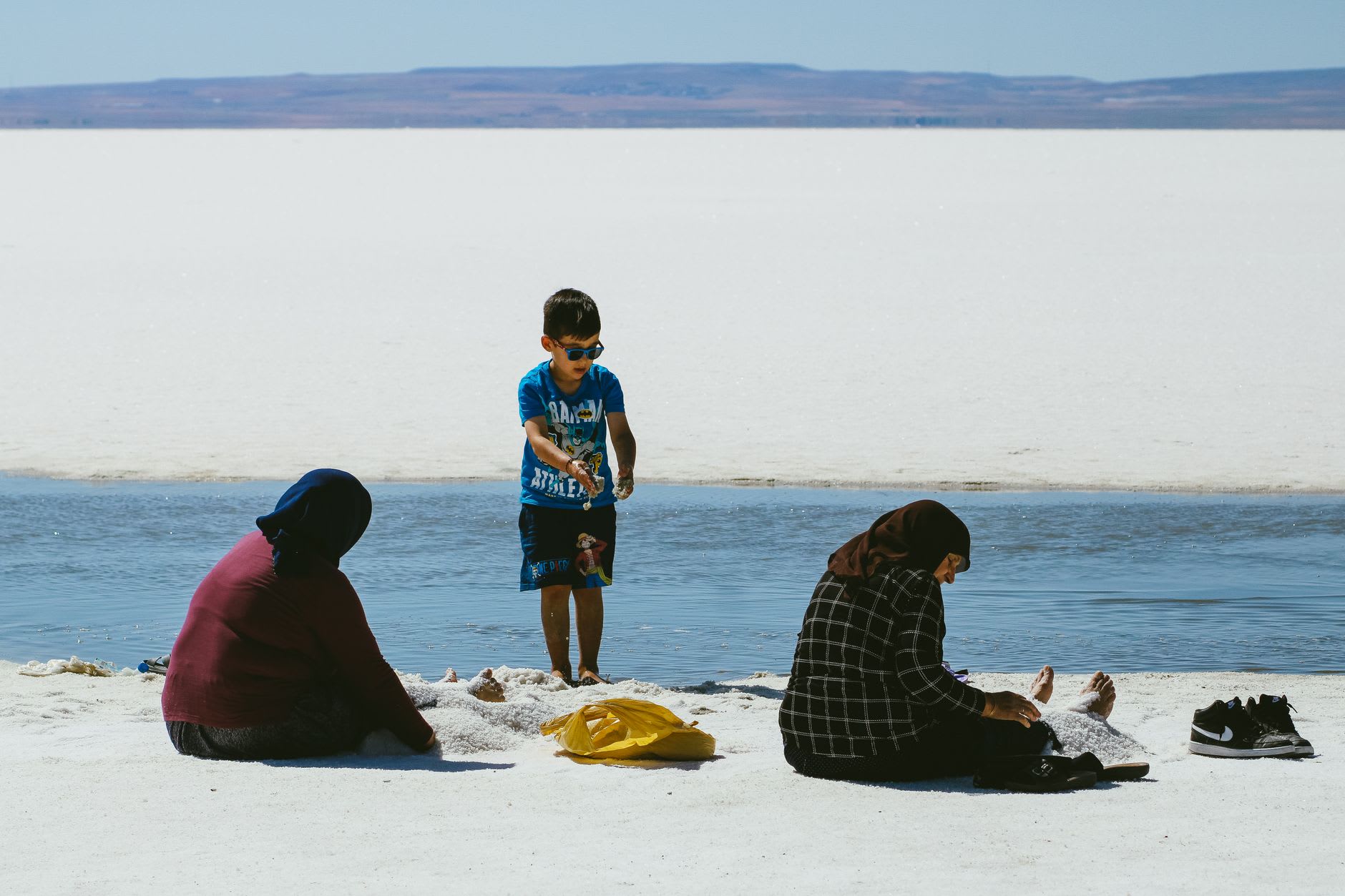
Walking on the salt is the thing everyone does, and there is no getting around why: it is genuinely disorienting. The surface crunches slightly underfoot, and the crust is thick enough in most places to walk on without breaking through, though near the edges where the brine still pools you can punch through into rust-coloured water ankle-deep. The flatness is the specific quality I wasn’t prepared for. The plateau is already flat, but the lake is flat in a different register — there is nothing to triangulate distance against, no tree, no rock, no shadow. After ten minutes I had lost any sense of how far I’d walked. I checked my shoes to confirm I was moving. The main destination article mentioned this, and I had nodded reading it, and still I was not ready for it.
Tuz Gölü is Turkey’s second-largest lake and one of the world’s great salt lakes, covering around 1,500 square kilometres. Between June and September the water evaporates to leave salt deposits up to a metre thick in places, and the lake becomes a commercial salt source — you’ll see machinery working the southern shore. But it is also a flamingo breeding ground, one of the most important in the Eastern Mediterranean. The greater flamingo nests here in spring, and in early summer hundreds of fluffy grey chicks can be seen at the southern end near Tuz bird sanctuary. I hadn’t expected flamingos in the middle of Anatolia, and they remained, even after the fact, faintly impossible.
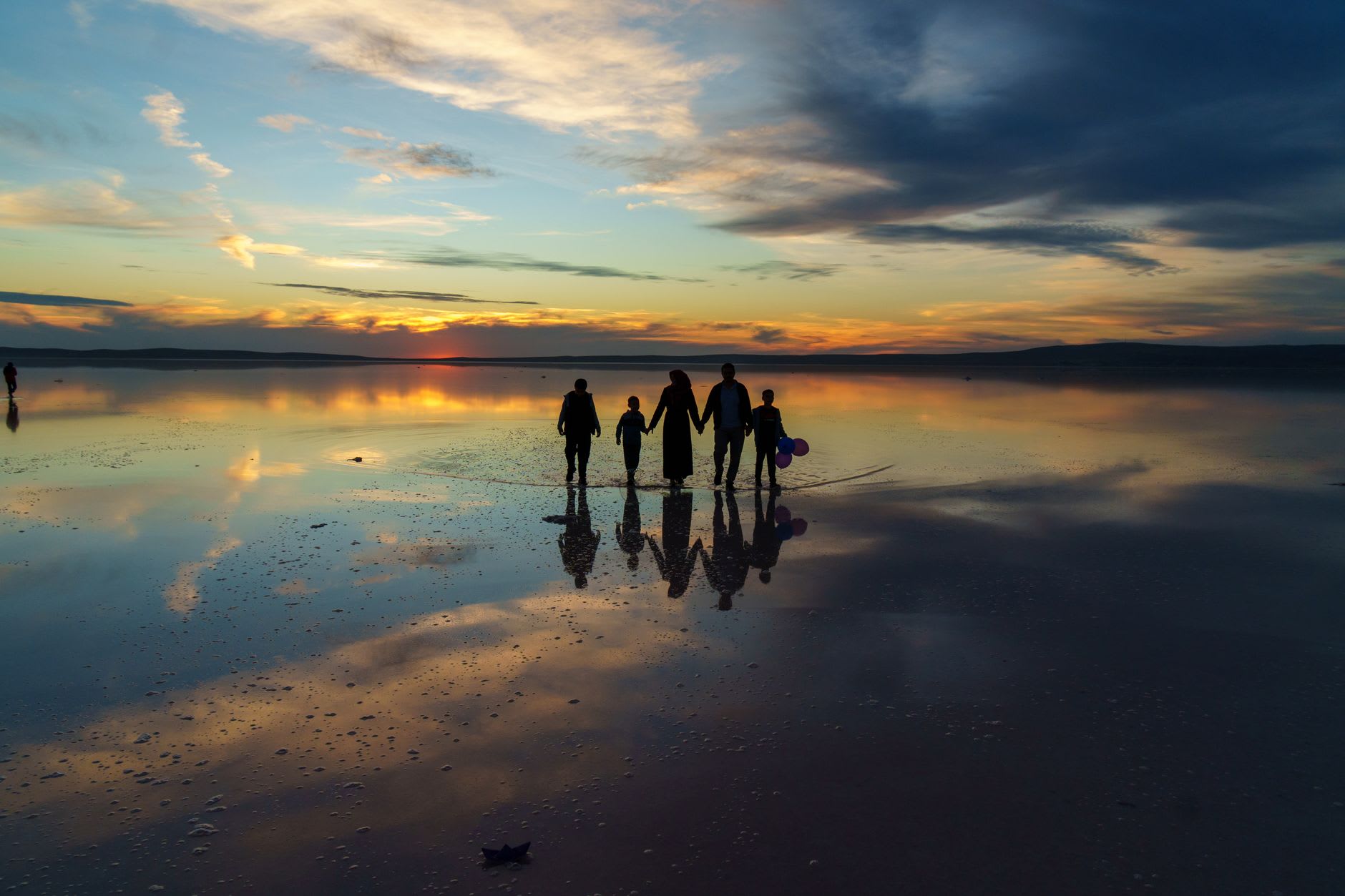
At sunset, the lake does something the guidebooks hint at but undersell. The white surface picks up colour from the sky as the sun falls — pale gold, then amber, then a brief rose that makes the entire lake glow as if lit from below. I sat on the roof of my rented car for forty minutes while this happened, not eating, not checking my phone, not thinking about anything in particular. The plateau silences you eventually if you stay still long enough, and the salt lake is where that silence becomes absolute. There was a truck parked three hundred metres away, and I didn’t hear its engine start when it left. The sound just dissolved into the white.
When to go: Late July through September for the full white salt flat experience. May and June for flamingo chicks at the southern end near the Tuz bird sanctuary. Spring brings shallow water and birdlife but less of the dramatic salt. Come at sunrise or sunset — midday is brutal and the flat light washes out all the colour you came for.