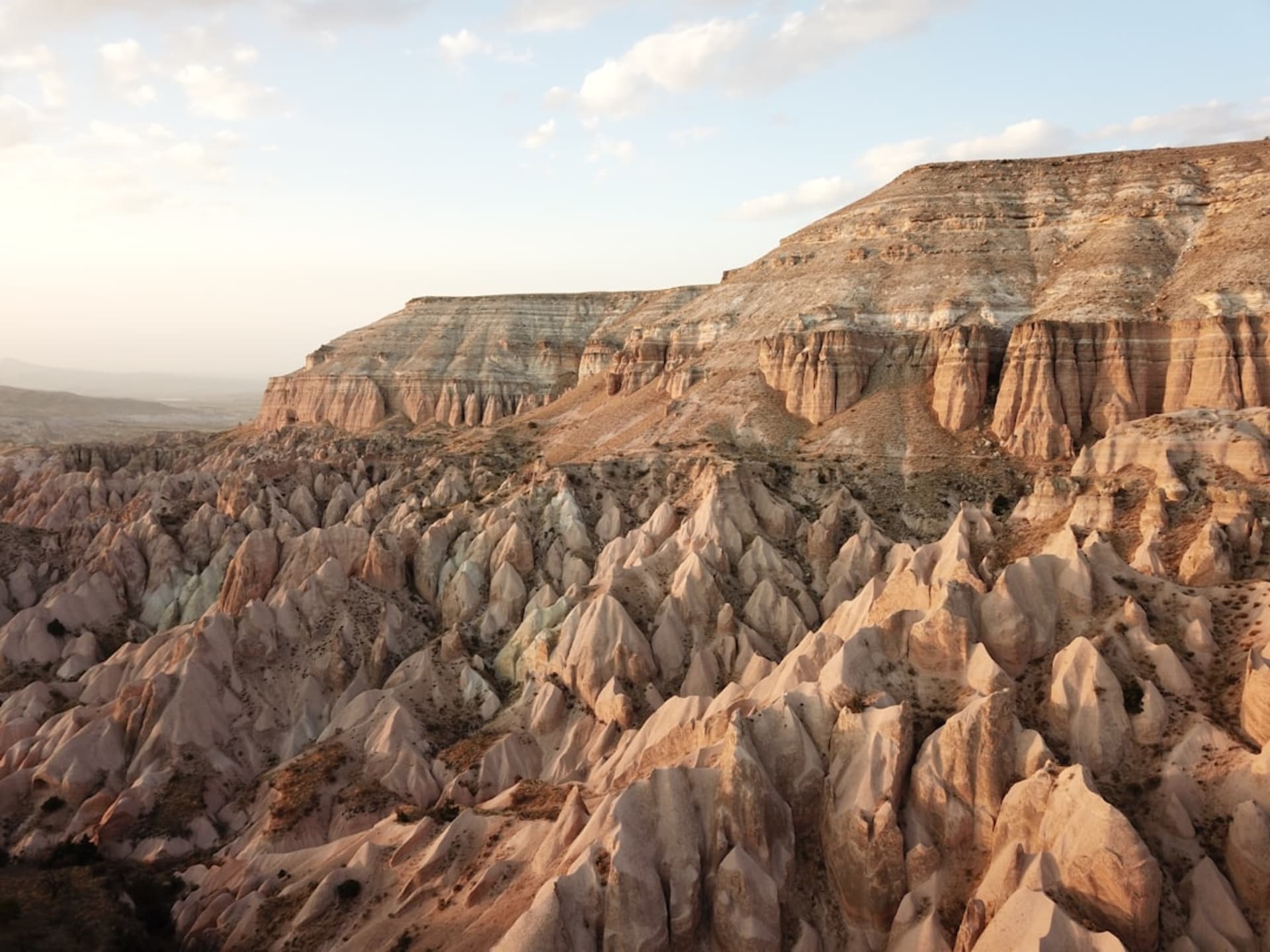
Soğanlı Valley
"Soğanlı is the valley Cappadocia's tour buses forgot, and it is better for it."
A remote canyon south of Cappadocia's tourist corridor, honeycombed with Byzantine cave churches and worked today by grandmothers selling dolls made from the valley's own dried leaves.
Soğanlı sits far enough south of the Göreme-Ürgüp cluster that most Cappadocia itineraries simply skip it, and on the weekday afternoon I drove down, I had long stretches of the canyon path entirely to myself — a genuine rarity anywhere in this region anymore. The valley splits into two branches, each lined with rock-cut Byzantine churches dating roughly from the ninth to thirteenth centuries, carved into the same soft volcanic tuff as everywhere else in Cappadocia but arranged with a density and a quiet that Göreme’s open-air museum, twenty minutes north and infinitely more visited, has lost entirely.
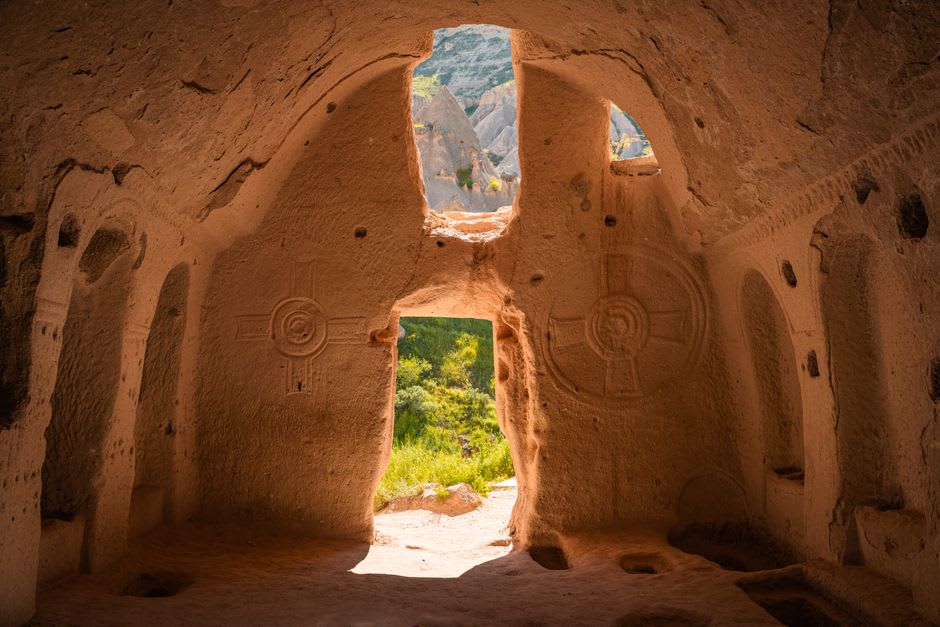
I counted at least half a dozen churches accessible along the main path, including the Karabaş Kilise (“Black Head Church”), whose frescoes have survived in fragments good enough to make out haloed saints and a Last Judgment scene, dimmed by soot and time but unmistakably there once you let your eyes adjust to the dark interior. Another, the Yılanlı Kilise (“Snake Church”), has a fresco depicting sinners being punished by snakes, a fairly literal medieval scare tactic that apparently worked well enough on Byzantine villagers to get preserved in paint for a thousand years. None of this is roped off or ticketed the way it would be elsewhere; you just climb up the worn steps and duck inside.
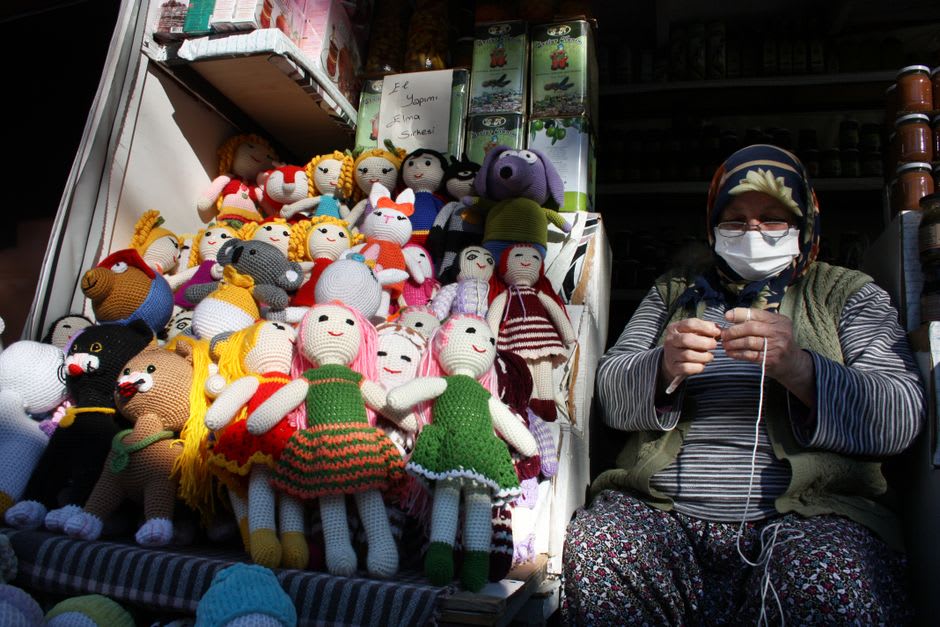
What made the visit, though, were the women. A handful of local grandmothers set up small stalls at the valley entrance selling dried-apple dolls — figures made from dehydrated apple slices carved and shaped into wrinkled little faces, dressed in scraps of traditional fabric, a genuinely strange folk-craft native specifically to this valley. One of them, seeing me hesitate, pressed a doll into my hand and told me through a mix of Turkish and gestures that her mother had taught her the technique, and her grandmother had taught her mother. I bought two, more out of a wish to support something so specifically local and so clearly disappearing than out of any real need for apple dolls, and I don’t regret it.
When to go: Weekday mornings for the emptiest paths and best light on the church frescoes. You’ll need your own car or a driver — there’s no real public transport, which is exactly why it’s stayed this quiet.