Kayseri
"Kayseri is the kind of city that gives you everything you came for before you've figured out what you came for."
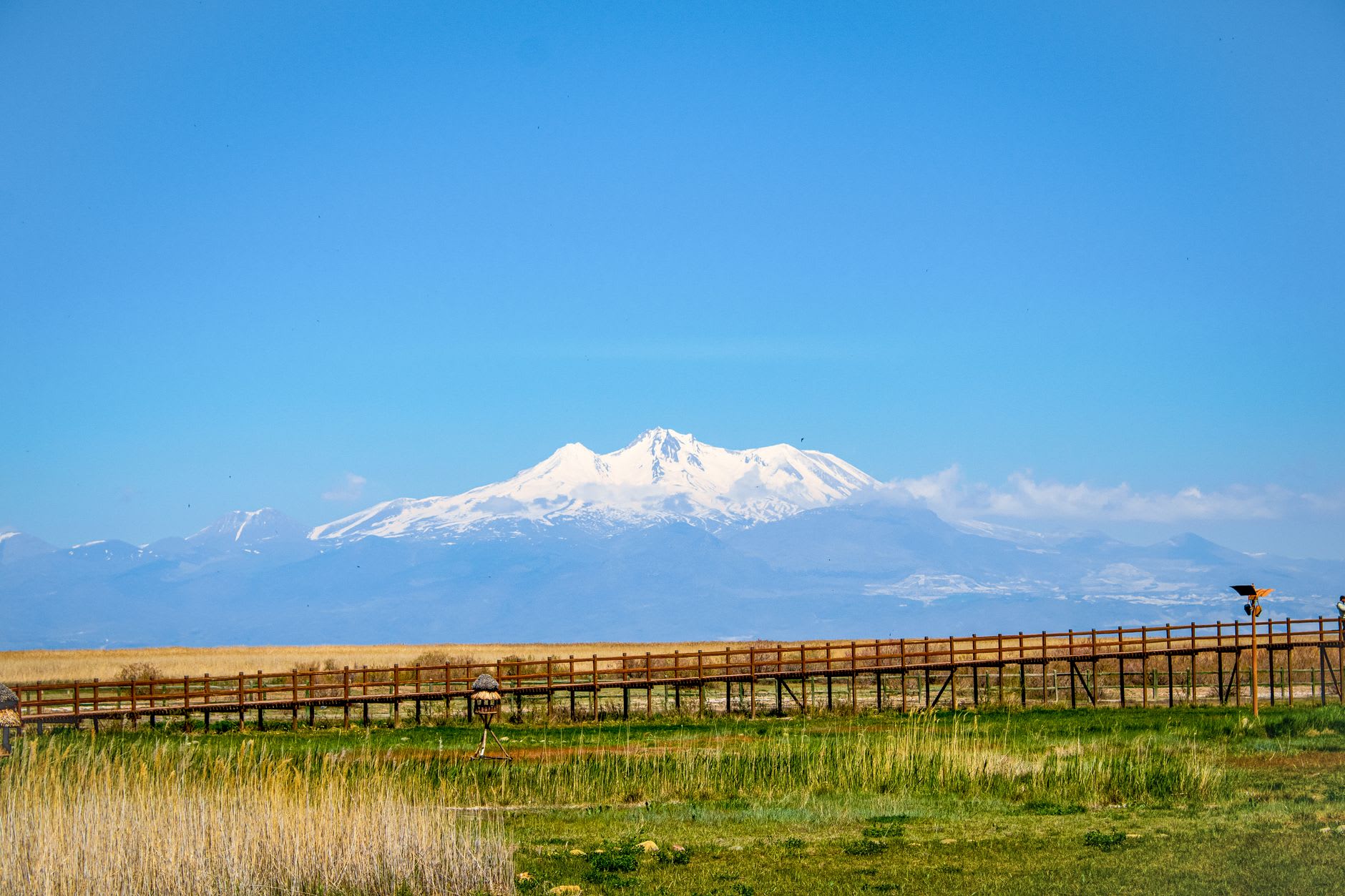
The bus from Ankara pulled into Kayseri’s otogar before the city had properly woken. I stepped out into cold air — genuine cold, not the cool of early morning — because Kayseri sits at 1,054 metres and Erciyes, the dead volcano that defines the city’s skyline, was holding snow on its summit even in late October. The mountain appeared before I saw anything else: a perfect cone, grey-white at the top, hovering above the flat steppe the way mountains do when there’s nothing else in the landscape to compete with them. I had read that Kayseri was a trading city, a conservative city, a city more interested in business than charm. I found a city more interesting than its reputation.
Kayseri’s culinary identity is the most specific I’ve encountered anywhere on the plateau. The city is obsessed with pastırma — dried and spiced beef coated in a crust of fenugreek, garlic, and red pepper that has a smell so pungent it announces itself a full street before you reach the shop. The pastırma workshops near the old bazaar have whole legs of beef hanging in the cold, curing, and I spent twenty minutes talking to a shop owner who explained the process with the enthusiasm of someone describing a philosophy rather than a food. There is also mantı, small dumplings stuffed with minced lamb, served in yogurt with browned butter and dried mint — Kayseri claims ownership of the dish with a conviction that makes discussion feel dangerous.
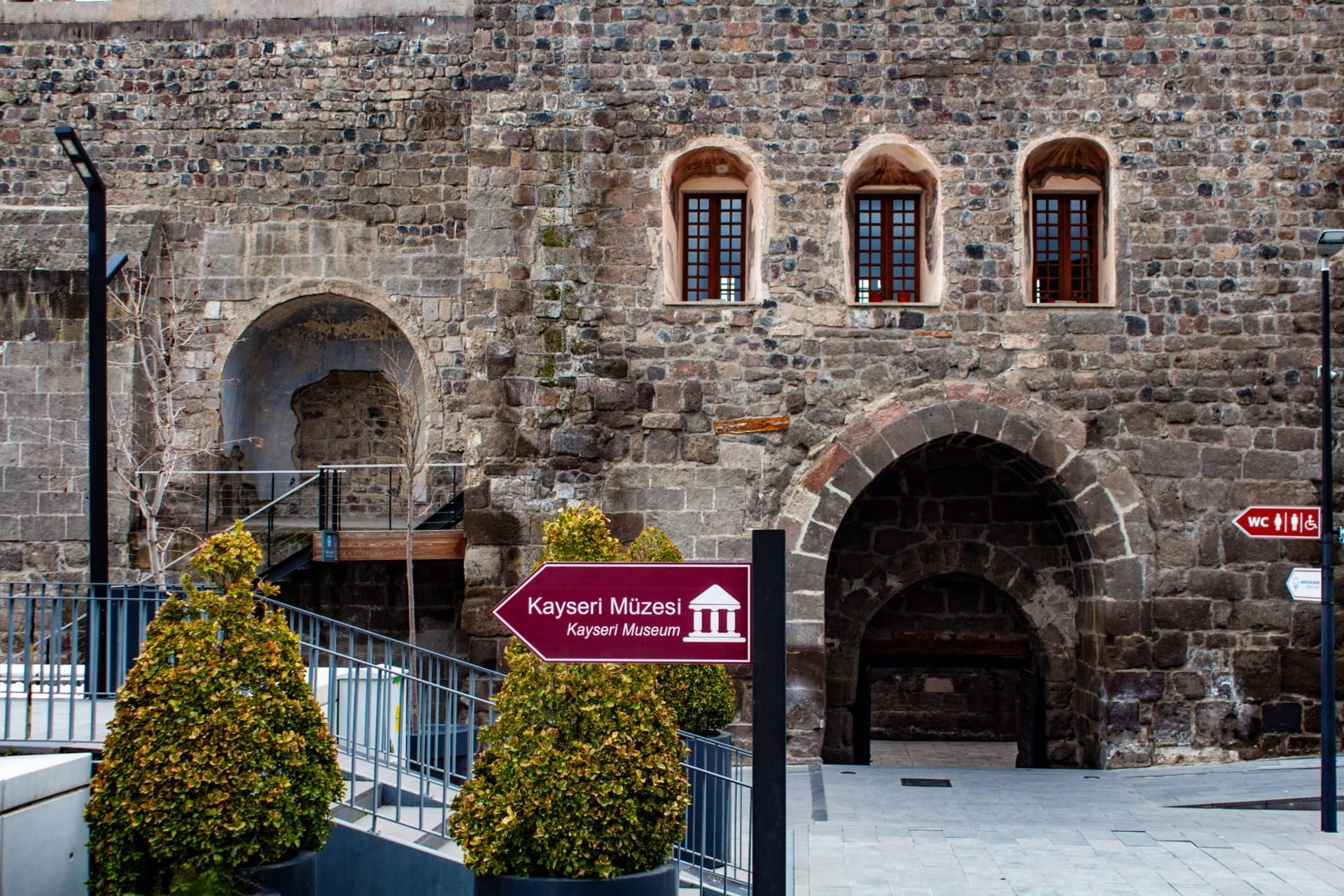
The old city holds its Seljuk inheritance compactly: the Döner Kümbet, a rotating cylindrical tomb from the 13th century decorated with animal reliefs; the dark basalt citadel in the centre, still walled and largely intact; and the covered bazaar whose vaulted arches run in a corridor that smells of leather and tea. The Kurşunlu Mosque, with its lead dome, sits in a courtyard full of pigeons and pensioners on a Tuesday morning, unhurried. None of these things are showpieces. They are buildings that have been used continuously for eight hundred years and look it, which is more interesting to me than anything that has been restored to a first-day shine.
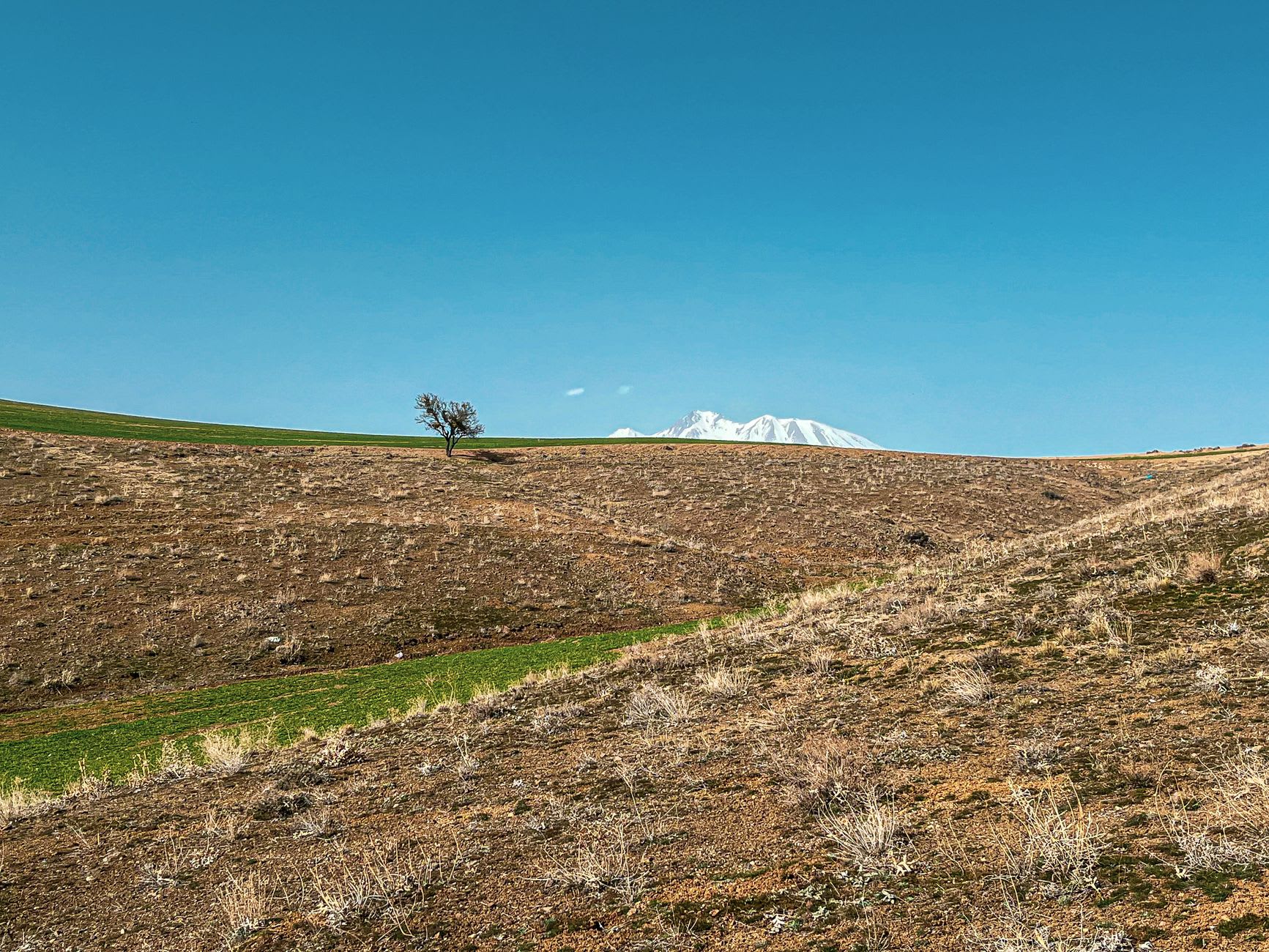
In the evenings, the streets around the Mimar Sinan Park fill with families eating corn and chestnuts from carts and young men moving in the purposeful, nowhere-in-particular way of cities where there is not much organised nightlife. I ate İskender kebabı at a restaurant where they served it with a jug of hot tomato butter poured tableside by the owner’s teenage son, who had the solemn expression of someone performing an important ceremony. Kayseri is not performing anything for outsiders. It is simply a city getting on with its eight-century-old life, and Erciyes is watching from the edge of the plain, patient and enormous, entirely indifferent to whether you photograph it.
When to go: October through April for crisp air and the mountain at its snowiest. March is ski season on Erciyes (Turkey’s largest ski area by some counts), which makes for a strange, excellent combination with the bazaars. Summer brings heat and the volcanic landscape around Erciyes opens up for hiking.