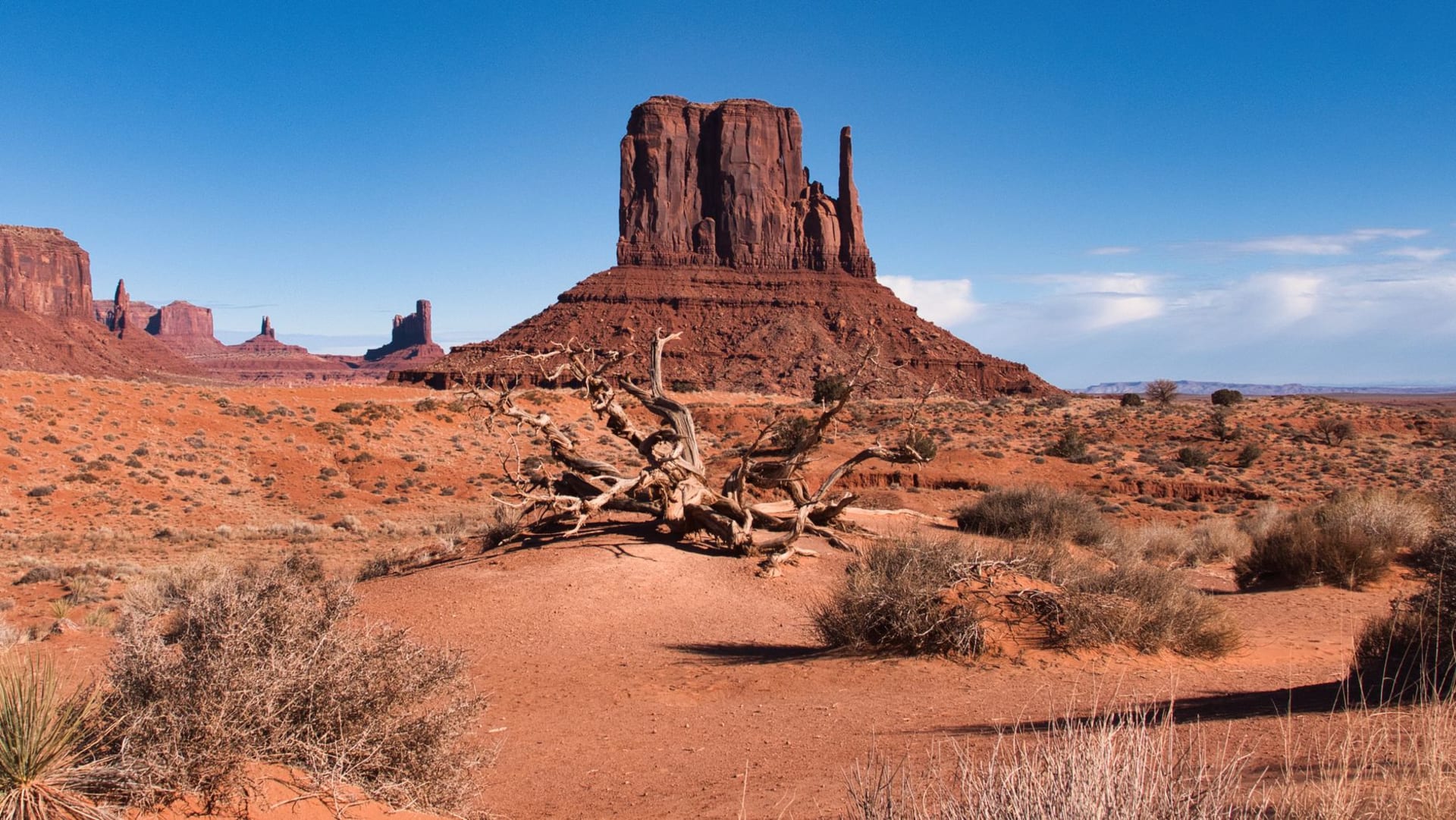
Monument Valley
"I pulled over because I'd seen the photos — and still nothing prepares you for the actual scale."
I came into Monument Valley from the north on Highway 163, the classic approach, and I understood immediately why every road movie eventually ends up on that particular stretch of asphalt. The buttes appear gradually — dark shapes on the horizon that your brain refuses to properly parse as natural formations until you’re close enough to see the striations in the rock, the rust and ochre and pale cream layers that represent two hundred million years of patience. I pulled the rental car onto the shoulder, got out, and stood there in the wind for a long moment. The silence wasn’t absence of sound — it was presence of scale.
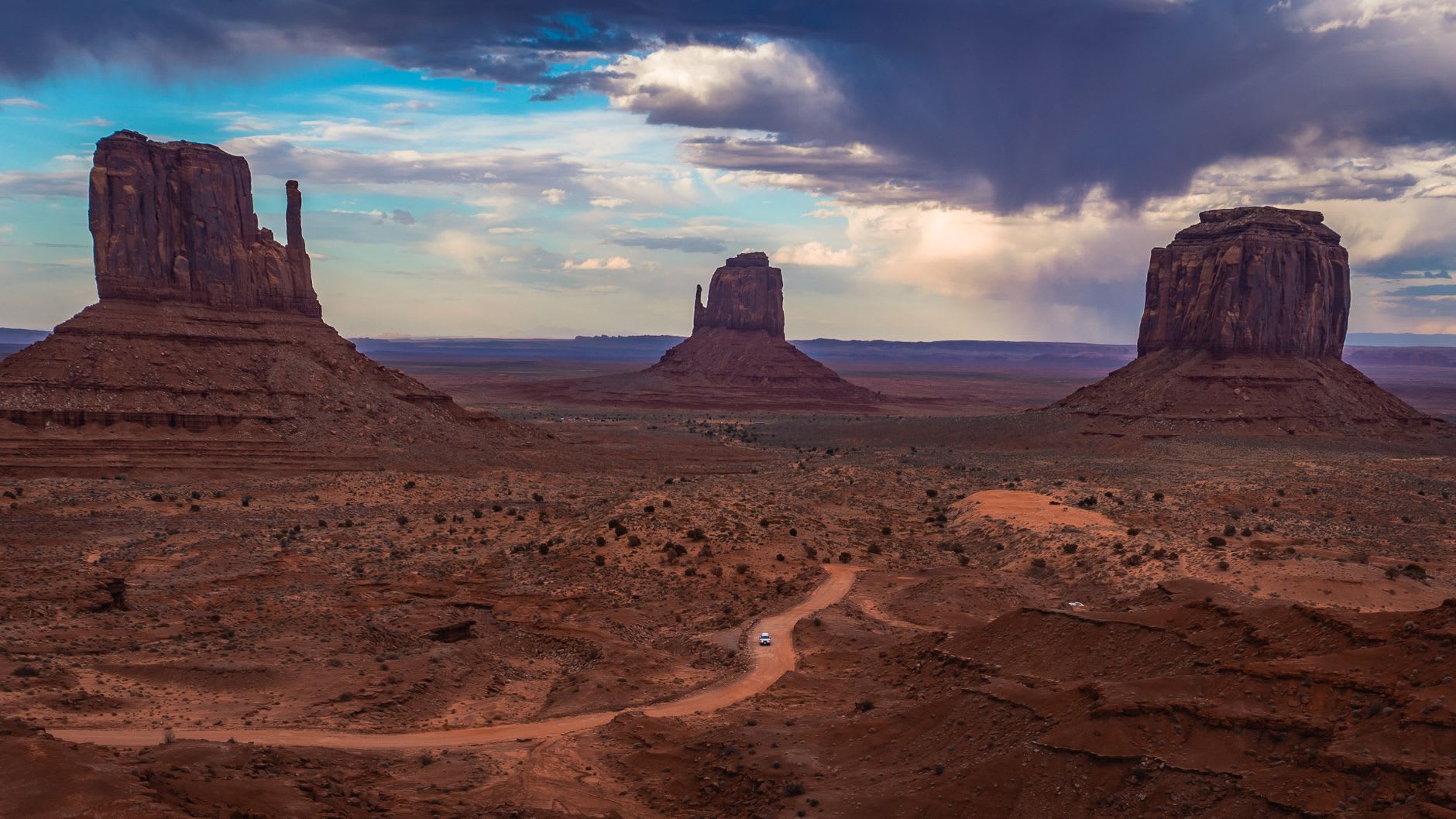
Monument Valley is Navajo Nation land, which matters in ways that go beyond the legal designation. The valley — Tsé Bii’ Ndzisgaii in Diné — is a living place, not a park. Families have herded sheep here for generations. You hire a Navajo guide to access the backcountry roads, and the good ones don’t just explain the geology; they tell you which rock formations are sacred, which canyon walls hold petroglyphs that predate European contact by a thousand years, and why the light at 6 a.m. in October turns the Mittens a shade of red that has no name in English. My guide on the afternoon loop was a man named Anthony who had grown up four miles from where we were standing and still noticed things he wanted to point out after thirty years of leading tours. That kind of unforced ownership of a landscape is rare and worth paying attention to.
The 17-mile Valley Drive is manageable in a standard rental if you’re willing to accept that dust will get into everything. The road winds between the major formations — the West and East Mittens, Merrick Butte, the Three Sisters, the Totem Pole — and the late afternoon light on those structures is unlike anything I’ve seen elsewhere. The red deepens as the sun descends until the buttes appear to be lit from inside. You understand, in that moment, why Westerns kept coming back here: it’s not that the landscape is dramatic, it’s that it makes drama seem redundant.

The frybread at the roadside stalls near the visitor center is the real thing — golden, slightly chewy, served warm with honey or as the base of Navajo tacos with beans and shredded meat. I ate two. There’s something about physical exposure to that kind of landscape that makes simple food taste significant.
When to go: April through early June and September through October offer the ideal light and bearable temperatures. July and August bring monsoon storms that can close the valley road but also produce dramatic skies with cloud formations worthy of the landscape below. Avoid midday in summer — the heat is relentless and the tour buses peak around noon.