Mesa Verde
"I climbed a ladder into a thousand-year-old living room and forgot how to talk for a minute."
A cliffside city seven centuries old, tucked into sandstone alcoves above a Colorado canyon.
Lia and I drove up from Cortez with the windows down, and the mesa gave nothing away until suddenly it did: we pulled over at an overlook and there was Cliff Palace, pressed into the rock like it had grown there. I’d read the numbers beforehand — around 150 rooms, 23 kivas, all wedged into one sandstone alcove — but numbers don’t prepare you for standing on the rim and realizing you’re looking at a neighborhood. Not ruins scattered across a field, a whole town, roofed by the cliff itself.
We booked one of the ranger-led tours that still run in summer, the kind where you go down a trail, up a set of wooden ladders, and through a narrow tunnel to actually stand inside a dwelling. Our ranger was a woman named Dana who’d clearly given this talk five hundred times and still meant every word of it — she talked about the Ancestral Puebloans who built and lived in these alcoves roughly between 600 and 1300 CE, farming the mesa top and raising kids in rooms I could barely stand up in.
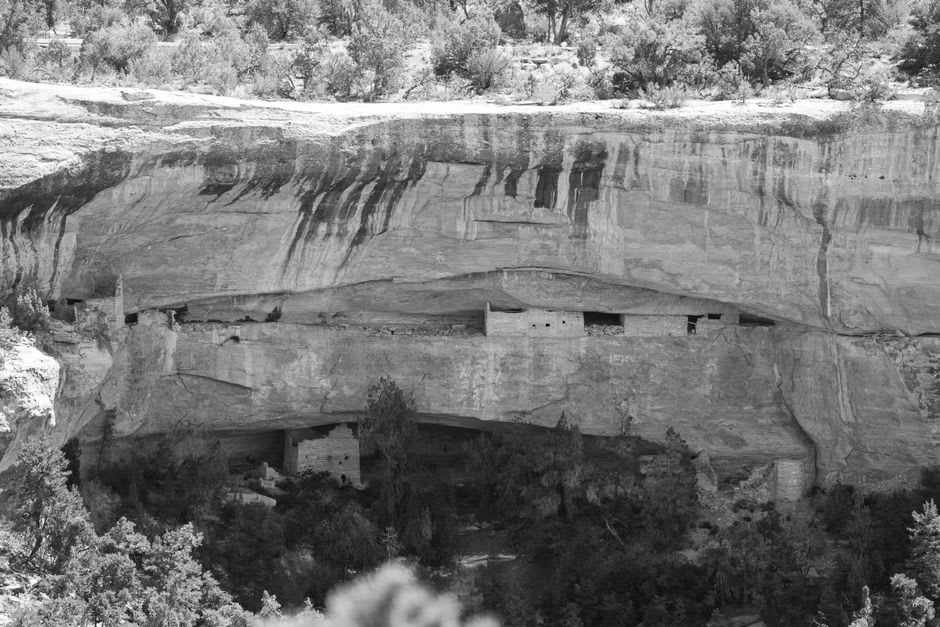
What got me wasn’t the scale, it was the fingerprints — literally, in some of the mortar, if you know where to look. Theodore Roosevelt made this the first US national park created specifically to protect human-built structures, back in 1906, and by 1978 UNESCO had listed it as a World Heritage Site. Lia, who’d been quiet through most of the tour, said afterward that it was the first time a park had made her think about people instead of scenery. Fair. I’ve stood in front of a lot of canyons; I hadn’t stood inside someone’s kitchen from the year 1200.
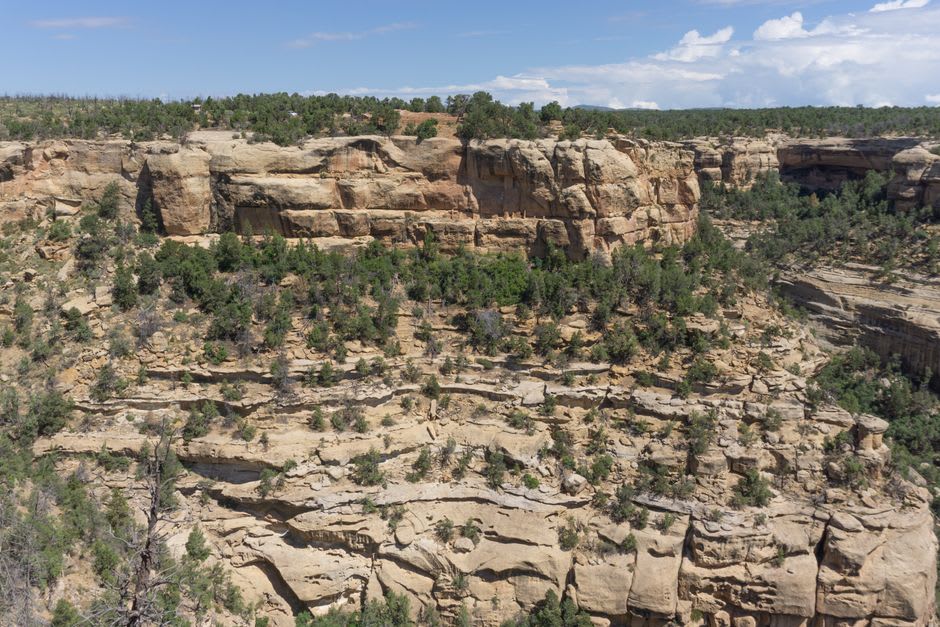
We camped that night at Morefield, ate cold sandwiches we’d packed from a gas station in Cortez, and watched the canyon go from orange to purple to nothing. Simple dinner, best view I’ve had with a sandwich in hand in years.
When to go: Aim for late spring through early fall — May to October is when rangers actually run the ladder-and-tunnel tours into the dwellings, and honestly that’s the whole point of the trip. Come winter, snow can close the park roads, so don’t count on a spontaneous detour off-season.
Keep exploring
More from American Southwest
 american-southwest
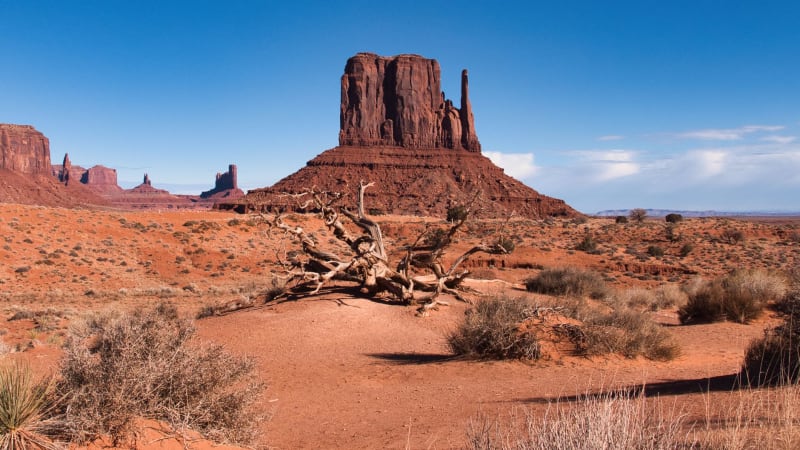
 Monument Valley
The Navajo Nation's red sandstone buttes rise so improbably from the desert floor they feel like the earth's own architecture.
Explore american-southwest
 Santa Fe
New Mexico's adobe capital sits at 7,000 feet where the air is thin, the green chile is serious, and the art never takes a day off.
Explore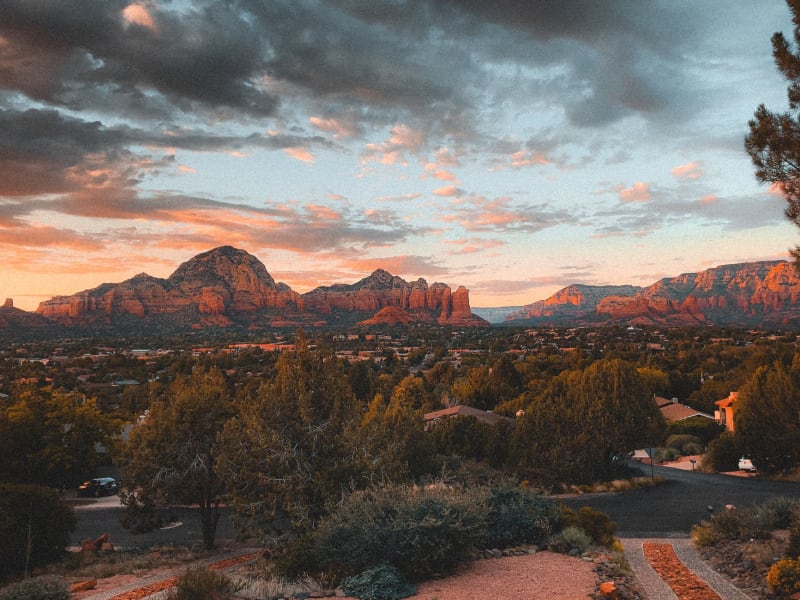 american-southwest
 Sedona
Arizona's red rock cathedral town where the geology is so extravagant it embarrasses everything built in its shadow.
Explore american-southwest
 Taos
A mountain adobe town in northern New Mexico that has been collecting artists and eccentrics for a century and shows no sign of stopping.
Explore american-southwest
 Tucson
Arizona's second city in the Sonoran Desert, where the saguaros outnumber the tourists and the food scene is quietly extraordinary.
Explore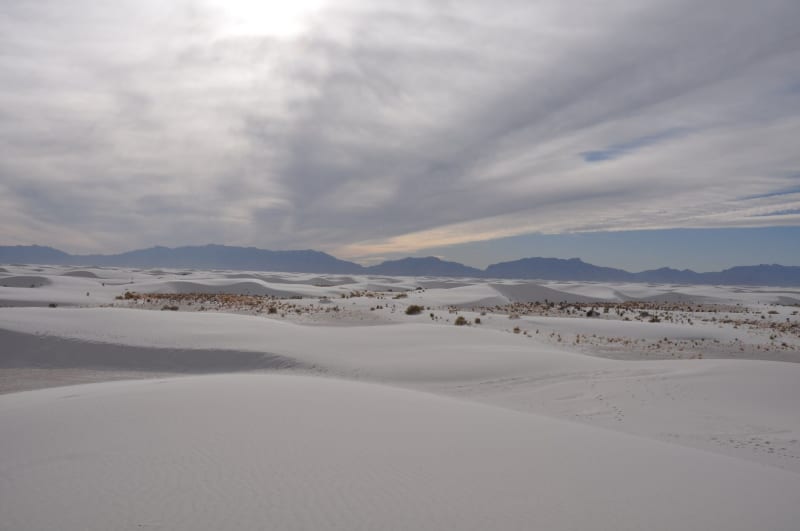 american-southwest
 White Sands
New Mexico's gypsum dune field — the largest in the world — where the desert turns completely white and the usual rules of color don't apply.
Explore