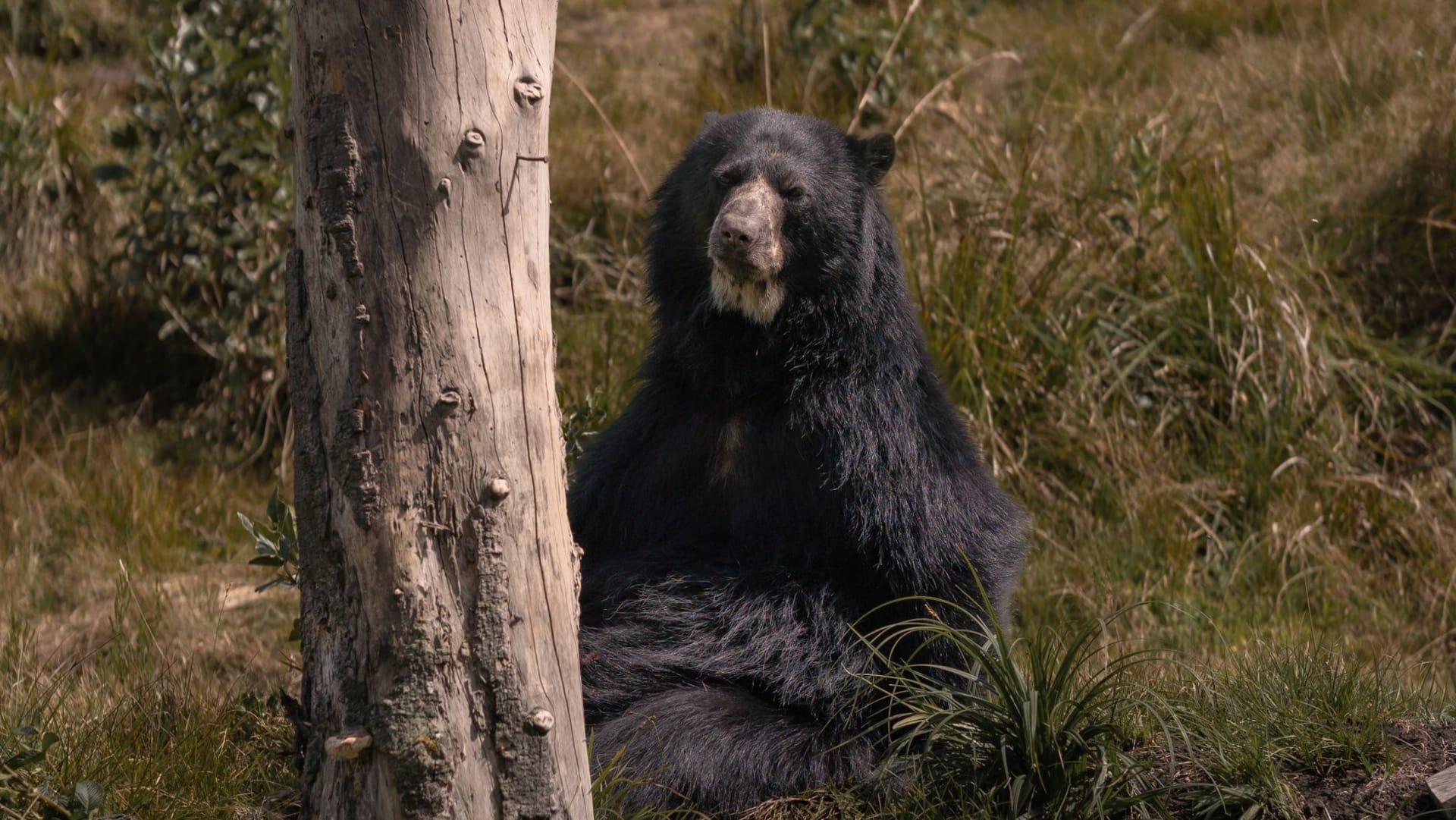
Manu National Park
"More bird species recorded here than in the entire United States. The statistics are understatements until you're sitting at the clay lick at dawn."
The road into Manu is one of the great descents on earth — three thousand meters down from the Andes through cloudforest and then premontane jungle and then the lowland Amazon, the temperature rising five degrees every five hundred meters and the plants growing larger and the animal sounds multiplying as you drop. I made this journey by truck from Cusco with a naturalist who had been working the Manu for twenty years, and he spent the entire descent narrating what he was seeing out the window: an Andean cock-of-the-rock displaying on a mossy branch in the mist, a torrent duck in the white water of the Pilcopata River, a troupe of squirrel monkeys crossing the road in a hurry. By the time we reached the lowland forest my notebook was already full and we hadn’t arrived yet.
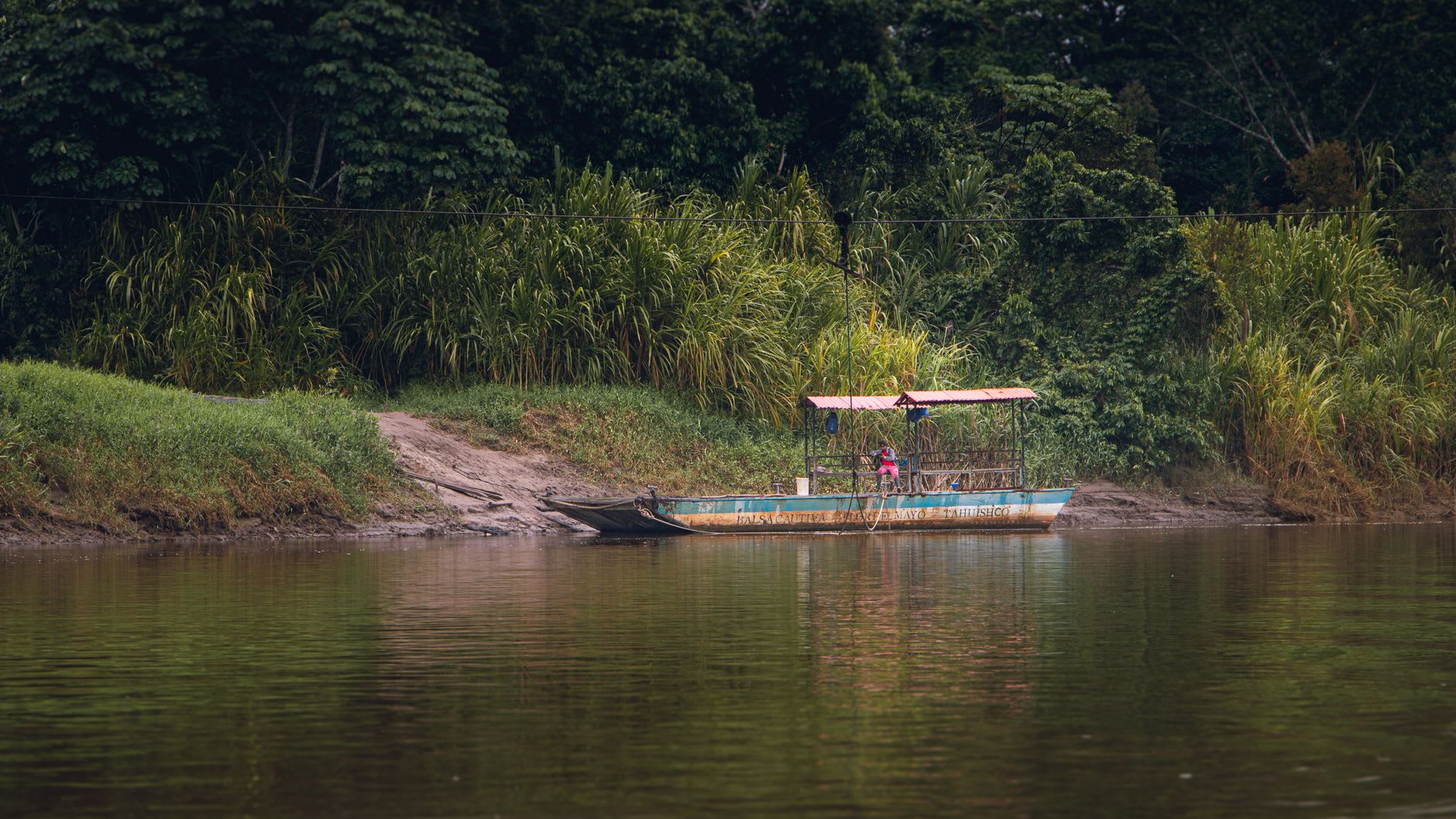
Manu is one of the most biologically diverse places on earth — more species of birds recorded here than in the entire United States, more butterfly species than anywhere on the planet. These statistics have a way of becoming abstract until you are sitting in a hide before dawn watching a clay lick where hundreds of macaws and parakeets arrive to eat the mineral-rich soil that neutralizes the toxins in their fruit-heavy diet. The noise is vast — the sound of several hundred large parrots all vocalizing at once has a physical quality, something in the chest rather than just the ears. The color, when the scarlet macaws hit the clay face in the full morning light, is the kind of thing that makes you understand why people apply the word “cathedral” to forest.
The reserve is divided into zones. The buffer zone is accessible with a licensed guide and offers more wildlife than most people encounter anywhere. The reserved zone requires a special permit and a week minimum, which is not an obstacle but a filter — it keeps the traffic low and the experience correspondingly different. I spent five days in the buffer zone and saw a jaguar print in the mud that my guide measured and re-measured with quiet excitement, a giant anteater crossing a riverside meadow at dusk, and river otters on the Manu River itself, playing in an eddy below a fallen tree.
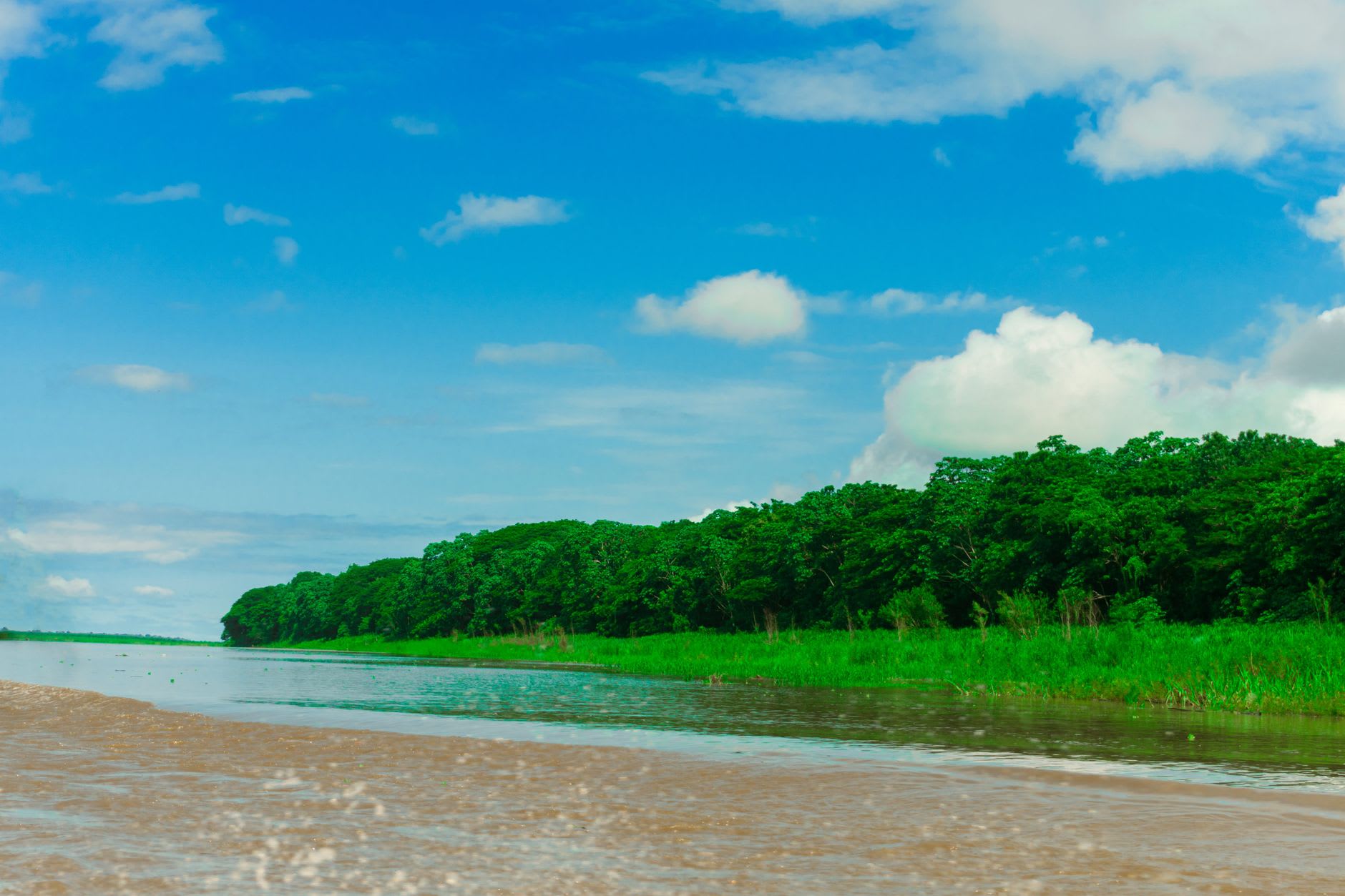
The journey itself is non-negotiable. The two-day drive from Cusco via Paucartambo and Pilcopata — through the Tres Cruces viewpoint where the cloudforest falls away to a sea of green and the sky is sometimes below you — is not an inconvenience that precedes the experience. It is the beginning of the experience. The altitude change, the temperature change, the vegetation change: by the time you reach the lowland lodges you have already traveled through half a dozen ecosystems and your senses are calibrated differently than when you left the city. Most people who try to rush this journey regret it later.
When to go: May through October. The road from Cusco is unpaved through significant sections and can close in heavy rain. Allow two full days in each direction and treat the transit as part of the itinerary, not overhead. The clay lick is most reliably active from May through August when mineral-hungry birds concentrate there.