Lago Sandoval
"The otters fished all morning as if we weren't there — which, in any useful sense, we weren't."
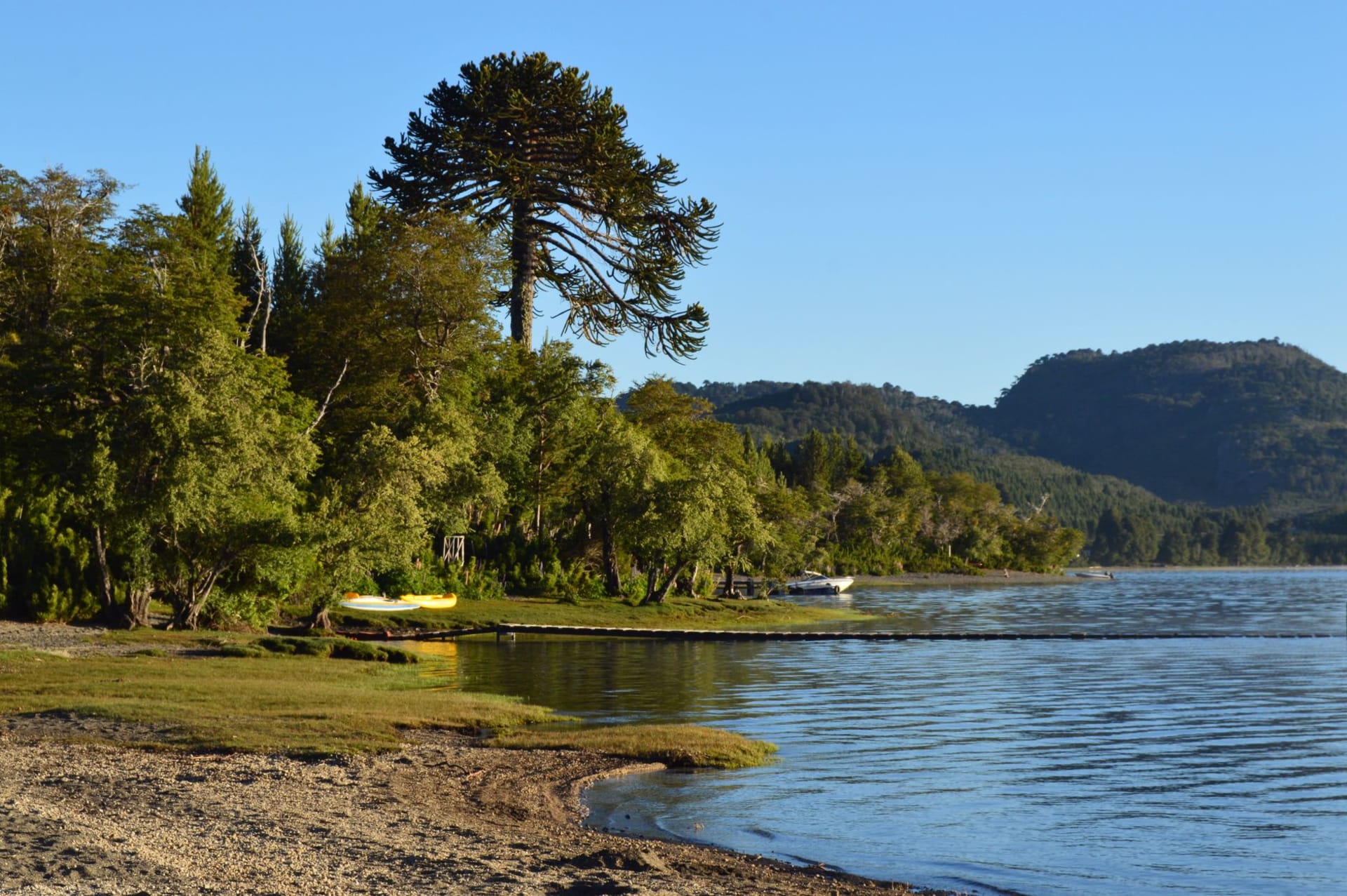
Lago Sandoval is three kilometers of oxbow lake accessed by a forty-minute walk through primary jungle from a boat landing on the Madre de Dios River, and the combination of the walk and the arrival at the lake’s edge constitutes one of the better natural sequences near Puerto Maldonado. I made the walk at five in the morning, my guide ahead with a small flashlight, the forest sounds all around us in the darkness. The path was soft underfoot and smelled of wet earth and decomposing leaves. By the time we reached the lake the sky had begun to lighten over the palm fringe, and a family of giant river otters was already at work along the far shore.

The otters are the main event at Sandoval, and they deliver unconditionally. A family of six or seven individuals, all vocalizing as they fished — a sound somewhere between a bark and a scream, carrying across the water with remarkable force. My guide told me this family had occupied the lake for fifteen years, the same individuals returning season after season, and that the researchers who monitor them can identify each animal by the unique pattern of spots on their throat. They fished in coordinated sweeps through the shallows, surfacing with piranha that they ate with extraordinary speed while still swimming, passing the fish along the back before diving again. They were entirely oblivious to us, or had decided we didn’t warrant attention, which amounts to the same thing.
The lake itself is beautiful in the honest way that oxbow lakes always are — still, dark-tannic water reflecting the Mauritia palms that line the shore, a wall of primary forest on both sides, the surface broken only by the otters and the occasional prehistoric surfacing of a caiman in the margins. We paddled the length of it in a wooden canoe while the morning heated up, and I watched a black-collared hawk work the shallows at one end and a pair of horned screamers land in a cecropia on the far bank with a theatrical, indignant thud. A giant river turtle surfaced once, looked at us, and descended without ceremony.

The return walk through the jungle was different in daylight — a tapir print in the mud, fresh, that my guide crouched over with focused attention, pressing his thumb into the center and looking down the path in the direction the animal had been heading. He said tapirs come to the lake to drink at night, and that if I stayed one night at the small lodge by the water I would probably hear one. I stayed the next night. Just after midnight I heard the unmistakable sound of something large moving through water, unhurried.
When to go: Year-round, though the walk to the lake is muddy and difficult after heavy rain. Early morning arrivals are essential — the otters are active at dawn and tend to disappear to rest by mid-morning. Day trips from Puerto Maldonado are possible but spending one night at the lake’s edge changes the experience completely; the pre-dawn walk and the nocturnal wildlife justify the extra cost without any argument.