
Yasuní National Park
"Five hundred parrots screaming at a clay lick at sunrise — it felt less like wildlife and more like witnessing a prayer."
You reach Yasuní by canoe from Coca, a two-hour ride down the Napo in the pre-dawn dark, the river cold under the stars and the forest on both banks a black mass that occasionally glows with a single light — a community, a fishing camp — and then returns to dark. By the time the light comes up you are inside the park’s boundary, and the forest has changed in a way that is immediately legible even to someone who has never set foot in an Amazon before. The trees are taller. The undergrowth is denser. There is a thickness to the air, a layering of smells, that tells you this has been undisturbed for a long time. Yasuní is one of the most biodiverse places on the planet — a single hectare here contains more tree species than exist in all of North America — and you feel that density before you can name it.
I visited through a lodge on the western edge of the park, spending three days doing what the forest allows: dawn walks with a naturalist guide who could identify bird calls the way a sommelier identifies grape varieties, canoe rides into flooded igapó forest where pink river dolphins surfaced next to the hull and once bumped it hard enough to slosh coffee from my cup. On the morning of the second day we woke at four and took a canoe to a clay lick on the Napo’s south bank. Hundreds of parrots — mealy, orange-cheeked, blue-headed — descended on the clay face from the forest at first light, screaming in a way that felt less like birds feeding and more like a ritual with rules I did not understand. We stayed for an hour. No one spoke.
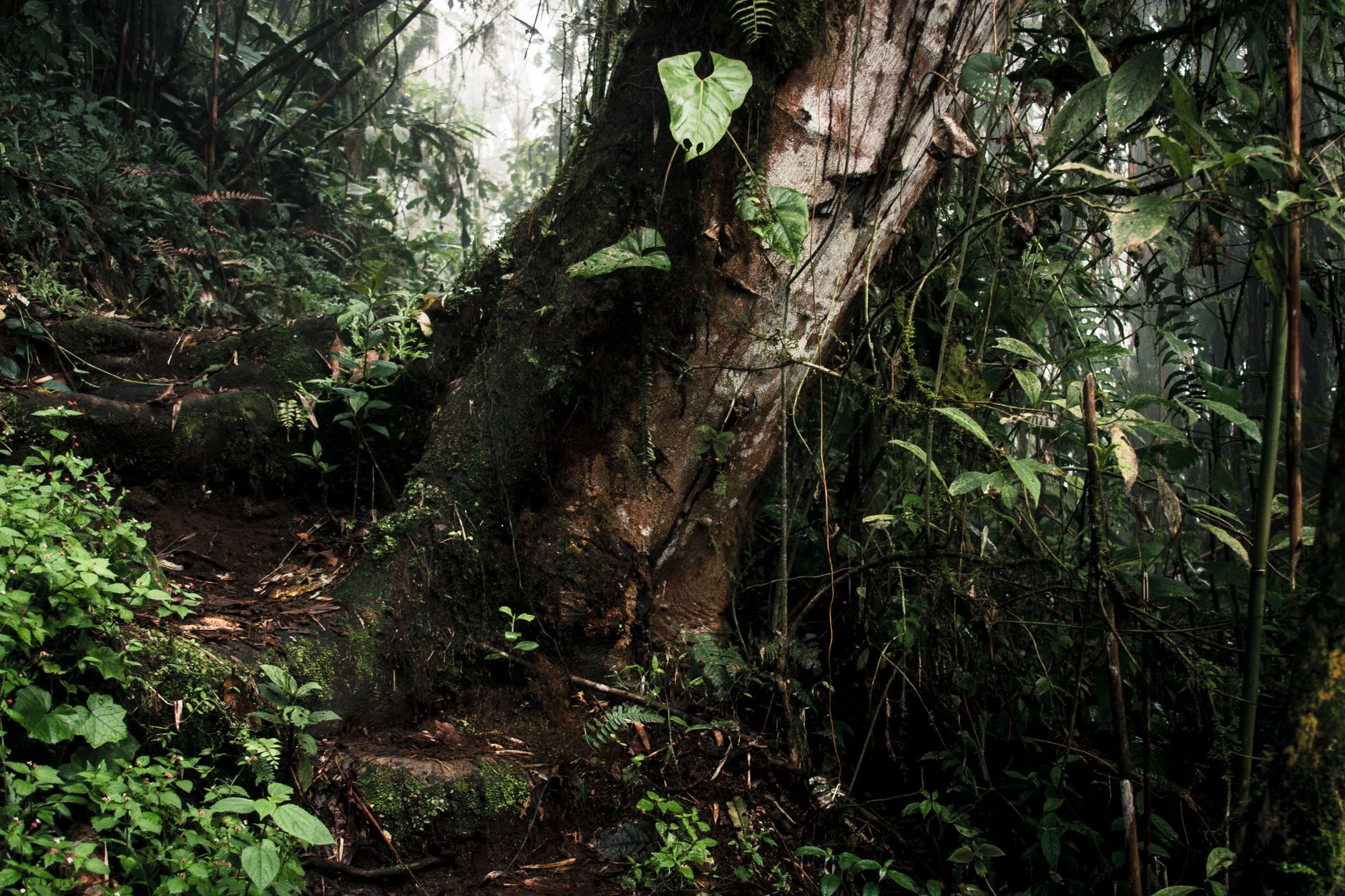
What sits underneath Yasuní — beneath the most biodiverse forests on earth — is one of Ecuador’s largest oil reserves. The ITT block sits beneath the Ishpingo, Tambococha, and Tiputini sectors, inside the buffer zone of territory where the Tagaeri and Taromenane, uncontacted groups who have chosen isolation, still move. Ecuador held a referendum in 2023 and voted to halt extraction in this block — a decision I was grateful for in the abstract and felt viscerally while standing in the forest, knowing exactly what the alternative looked like. The oil towns I had driven through to get here were not hypotheticals.
The Waorani communities on Yasuní’s edges run some of the lodges and guided experiences in the park, and their involvement changes the texture of a visit. My guide, who was Waorani, did not perform his culture for visitors. He pointed out useful plants with the same practicality he pointed out birds, and when I asked how far into the park the Tagaeri territory extended, he looked at the tree line for a moment before answering: far enough.
When to go: August through November and February through April are the better months, with lower water in the dry season making some trails accessible that flood otherwise. Yasuní is always wet — plan accordingly. Lodges book months in advance; this is not a place to show up hoping for space.