Puyo
"I came over the mountains in rain and arrived in Puyo in sunlight and understood something about geography I hadn't before."
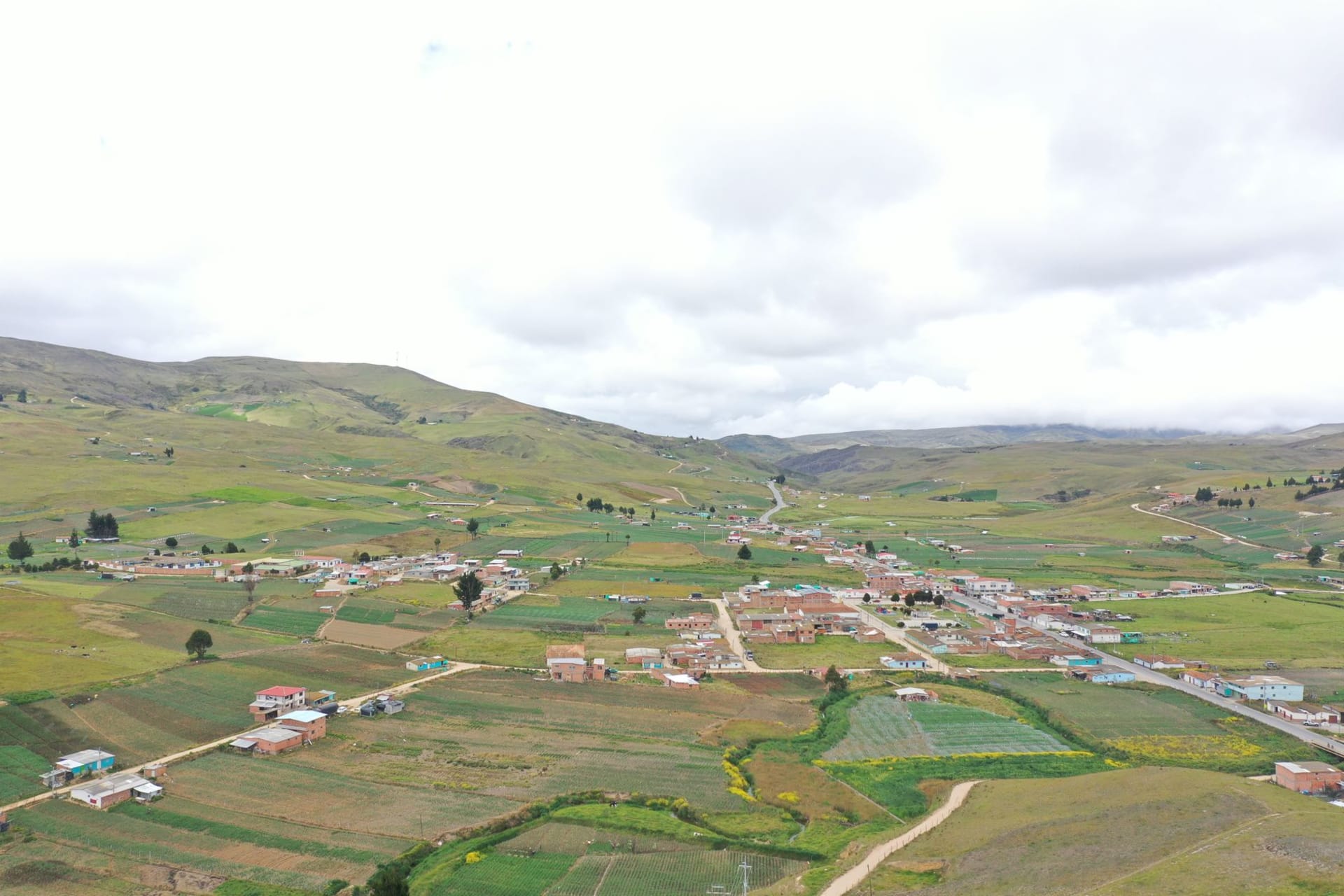
The road from Baños descends the eastern Andes in a series of switchbacks that would feel reckless if the scenery were not so absorbing. You start at four thousand meters in cold mist, pass through successively warmer and greener bands of cloud forest, and arrive in Puyo at nine hundred meters in warm, humid air that smells of river and vegetation and something sweet I eventually placed as cacao. The transition takes about ninety minutes by bus and covers what climatologists would call multiple altitudinal zones. I had put on a jacket in Baños and was sweating it off before I reached my hostel in Puyo.
Puyo is the capital of Pastaza province and the unofficial gateway to Ecuador’s largest Amazon territory. It has a population of around fifty thousand and operates with the particular energy of a city that knows it sits at a crossroads — the roads from the Sierra converge here before routes dive deeper into the jungle. It is not a beautiful city in the conventional sense, but it is a genuine one. Kichwa and Shuar people come in from their communities for the weekly markets, and the artisan shops on the main avenue sell blowpipes, ceramic figures painted in achiote-red geometric patterns, and jewelry made from seeds and feathers that has nothing to do with airport souvenir culture.

I spent a morning at the Omaere Ethnobotanical Park, a forest reserve on the edge of the city that functions as a living library of Amazonian plant knowledge. The trails wind between labeled trees and plants — some medicinal, some nutritional, some toxic — and the guides explain their uses in a context that connects taxonomy to practice. A tree whose bark is used for fever. A bromeliad whose interior holds enough water to wash your hands. Vines that the Shuar use for fishing, for rope, for dye. The park is modest in scale and quiet on weekdays, and it made me realize how much of the forest I had walked through in the previous days without being able to read it.
The Pastaza River runs through a deep gorge on the city’s edge, loud enough to hear from several blocks away. A footbridge crosses it — suspension, bouncing, the kind that makes you walk faster not slower — and from the middle of it the view in both directions is the same: jungle walls, white water, the feeling that the city you just left is very small against all of this.

When to go: Puyo sits at the forest edge and receives rain year-round — this is not a place with a meaningful dry season. Come prepared for afternoon downpours regardless of when you visit. The town is most interesting on market days (Wednesday and Saturday) when communities travel in from the surrounding forest.