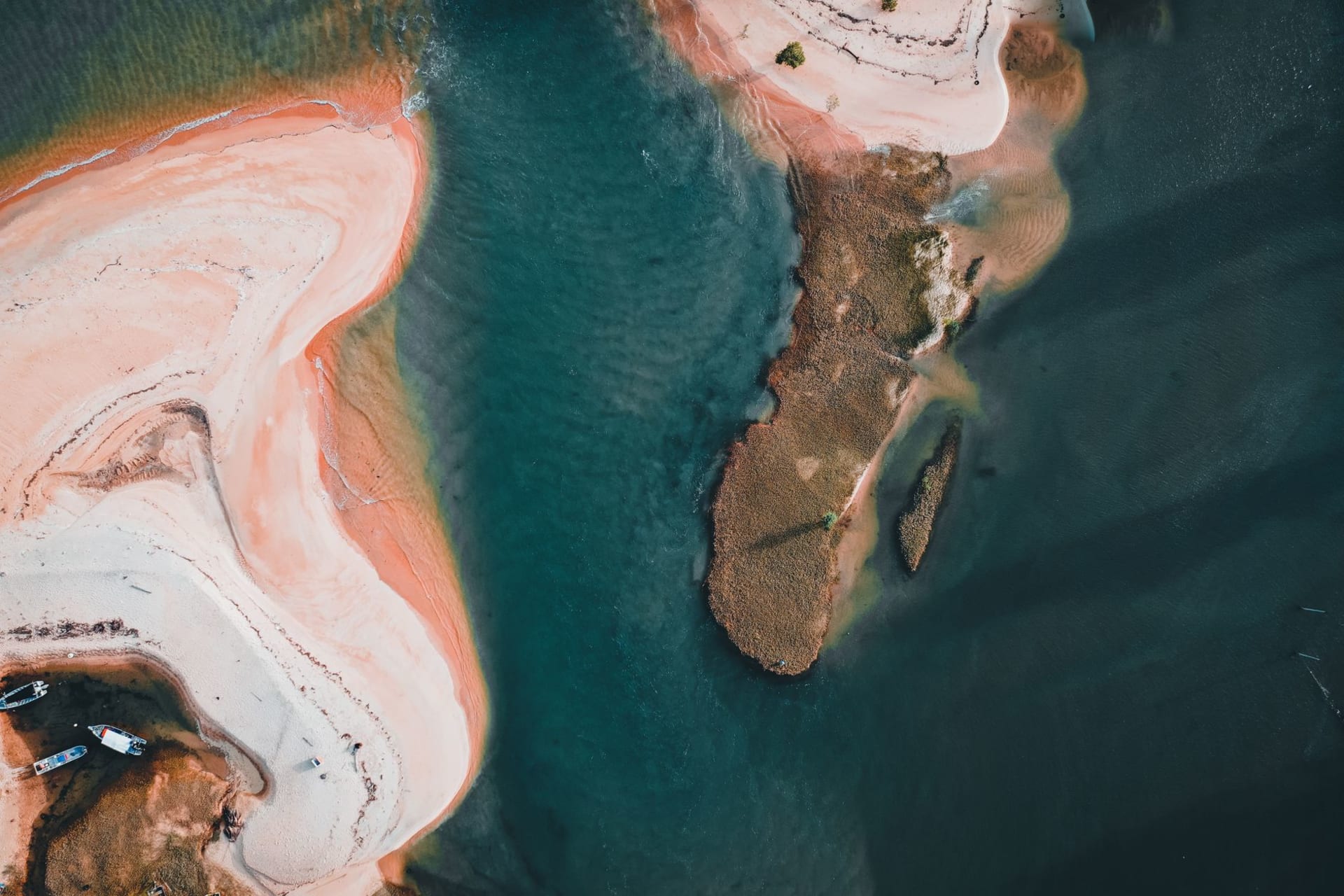
Marajó Island
"I came expecting river dolphins and found water buffalo. Marajó doesn't read the same script as the rest of the Amazon."
Nobody warned me about the buffalo. I knew, abstractly, that Marajó Island had water buffalo — they were brought from Asia in the colonial period, escaped, multiplied, and now number in the hundreds of thousands across the island’s vast flooded grasslands. But knowing this and seeing a herd of two hundred dark buffalo moving through shallow water at sunset, egrets perched on their backs, the sky behind them turning the colour of a mango, are entirely different categories of experience.
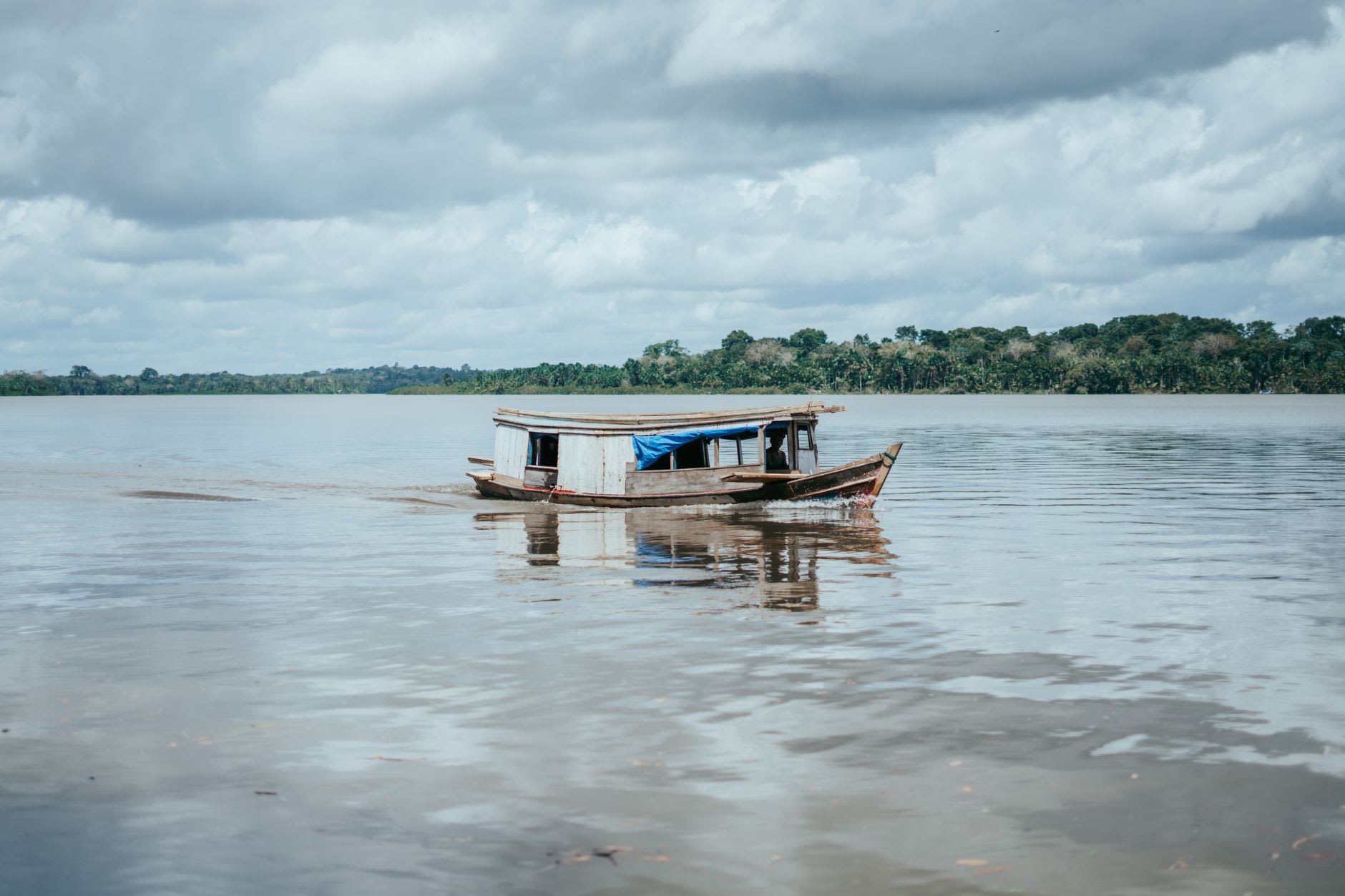
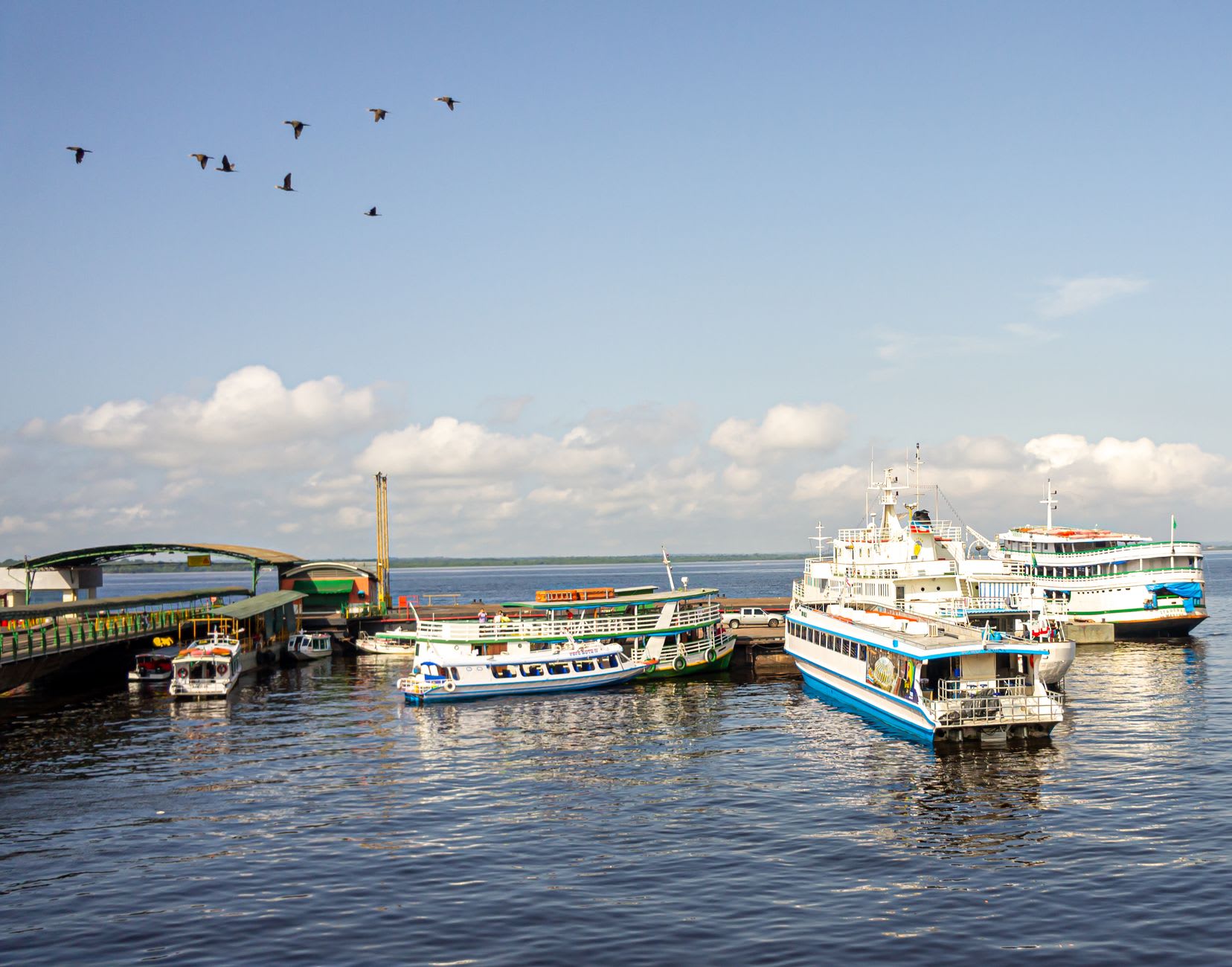
Marajó is about forty-nine thousand square kilometres — roughly the size of Switzerland — sitting at the mouth of the Amazon River where it meets the Atlantic. The island divides into two distinct zones: the western half is dense Amazon rainforest, threaded with rivers and igarapés; the eastern half is open savanna, called campos, which floods completely during the wet season and dries into cracked terracotta during the dry months. The city of Soure, on the northeastern coast, is the main hub — reached by ferry from Belém, four to five hours across the mouth of the river — and is a pleasant small city of painted houses and buffalo-drawn carts plodding down the main streets at their own pace.
The Marajoara culture, which flourished here between roughly 400 and 1300 CE, left an archaeological legacy of extraordinary geometric ceramics: urns, plates, figurines decorated with complex interlocking patterns that feel modern and precise. The Museu do Marajó in the village of Cachoeira do Arari holds an important collection; the objects are displayed without fuss in a low building beside the river. I spent two hours there and came out with the particular sensation of having encountered something genuinely ancient and intelligent in a place where it wasn’t being turned into a souvenir.
The food on Marajó runs on buffalo. Buffalo milk, fresh cheese made from it — queijo do Marajó — thick, slightly salty, served warm or at room temperature, unlike any other cheese I know how to compare it to. Buffalo steak, leaner than beef with a slightly gamey depth. In Soure the restaurants along the waterfront serve açaí in its true Amazonian form: thick, unsweetened, almost purple-black, eaten alongside dried salted fish. The combination sounds improbable. It tastes like a meal someone thought through with great care over a very long time.
When to go: The dry season, August to December, makes the campos passable and concentrates the buffalo herds near remaining water sources. The wet season floods the savannas into shallow lakes — spectacular from above and navigable by boat, but harder to explore on horseback, which is the best way to see the campos. Ferries from Belém run year-round.