Scala
"Everyone comes for Ravello. I kept coming back for the silence across the ravine."
The oldest town on the Amalfi Coast, where quiet stone lanes and a Romanesque crypt sit above the crowds, facing Ravello across the ravine.
We almost didn’t stop in Scala. Lia and I had driven up from Amalfi with Ravello as the plan, one of those days where you tell yourself you’ll just glance at the map and then somehow end up somewhere else entirely. But the road bent, a sign for Scala appeared, and I remembered reading that this scrappy little town, not its glamorous neighbor, was actually the oldest settlement on the whole coast. That was enough for me. We parked in a gravel lot that smelled of hot dust and lemon leaves and walked into a town that felt like it had forgotten to perform for anyone.
There’s something in Scala’s stillness that I think comes from its age. People fled here from Roman-era coastal raids, up into these folds of hillside, and you can feel that logic in the way the town is built: tucked, watchful, facing outward toward Ravello across the ravine like it’s still keeping an eye on things. For centuries it rivaled Amalfi as a seat of bishops, which is hard to square with how sleepy it feels today, until you walk into the Duomo di San Lorenzo and climb down into the 12th-century crypt. I stood in that cool, low-ceilinged room longer than I meant to. Lia had to come get me.
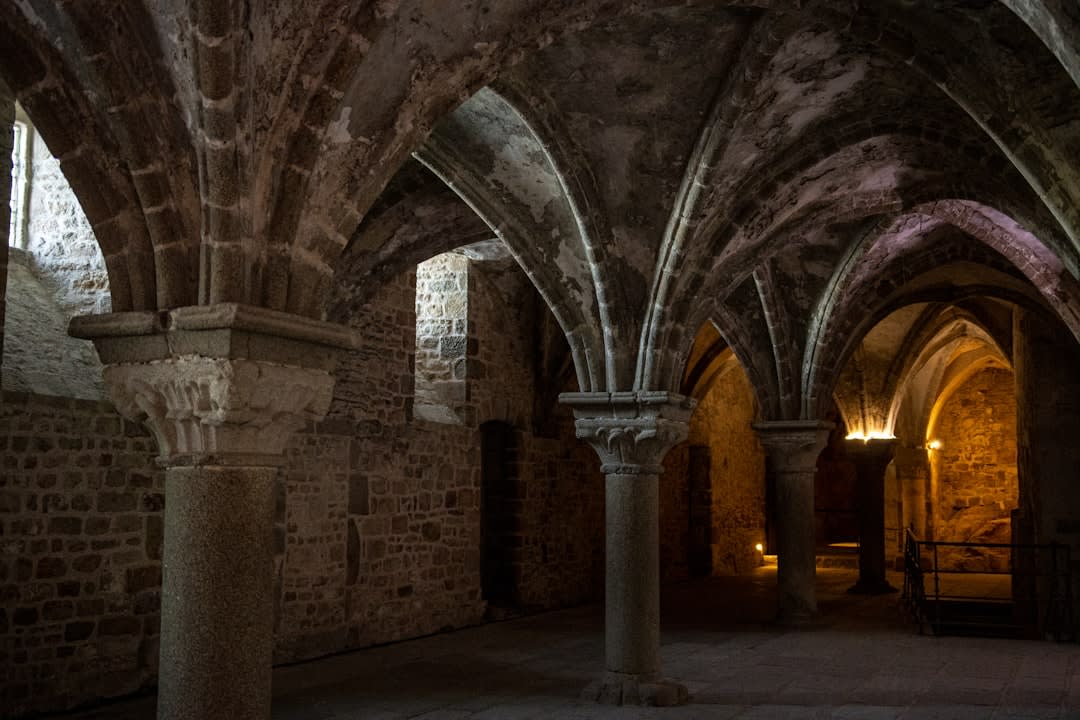
A local we got talking to outside a bar mentioned, almost in passing, that Ignatius of Loyola is said to have written part of the Spiritual Exercises somewhere around here in the 1500s. I don’t know how much of that is documented fact and how much is the kind of story a town tells about itself, but standing in that hush, I believed it easily. We wandered down into Minuta, the little hamlet within Scala’s borders, past one of the oldest churches on the coast, its stone worn soft at the edges from centuries of hands and weather.
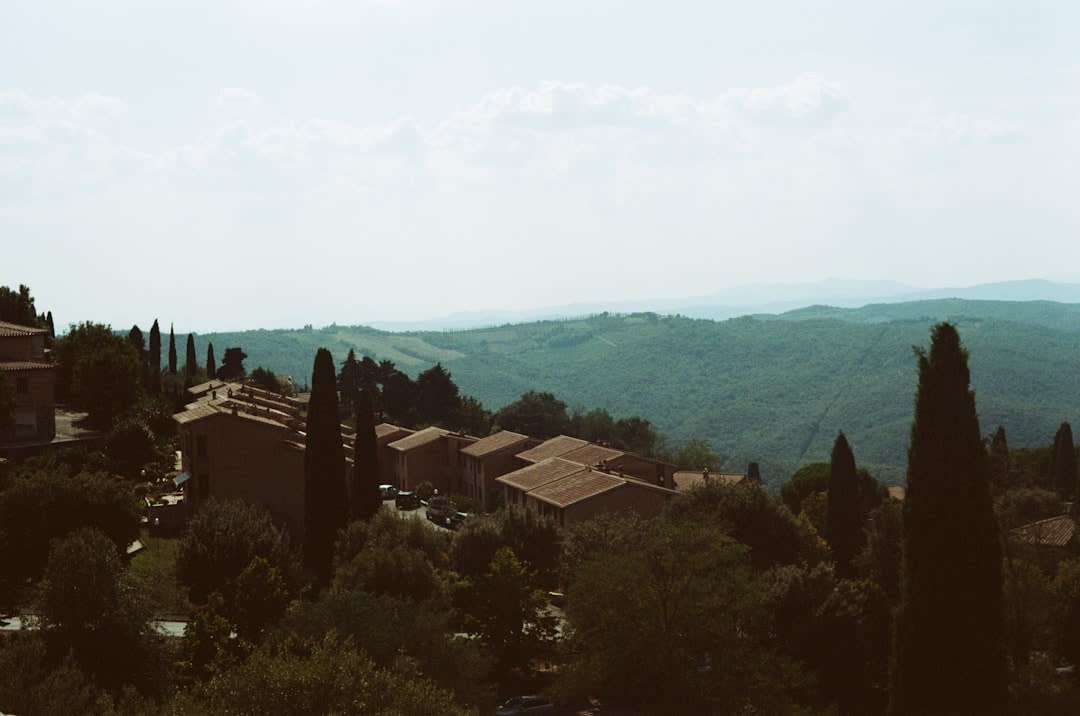
What I loved most, though, was that Scala didn’t feel like a place to look at so much as a place to leave from. Trails drop down from town into the Valle delle Ferriere reserve, all ferns and waterfalls in a gorge that stays cool even in August, and others climb the other way, up toward the ridge that separates this coast from Cilento. We only did a short stretch of one before the light started going gold and we turned back for a plate of scialatielli somewhere with a view we hadn’t earned but weren’t going to argue with.
When to go: Aim for spring or autumn, when the hiking trails linking Scala to Ravello and Amalfi are cool enough to actually enjoy, rather than something to survive.
Keep exploring
More from Amalfi Coast
 amalfi-coast
 Sentiero degli Dei
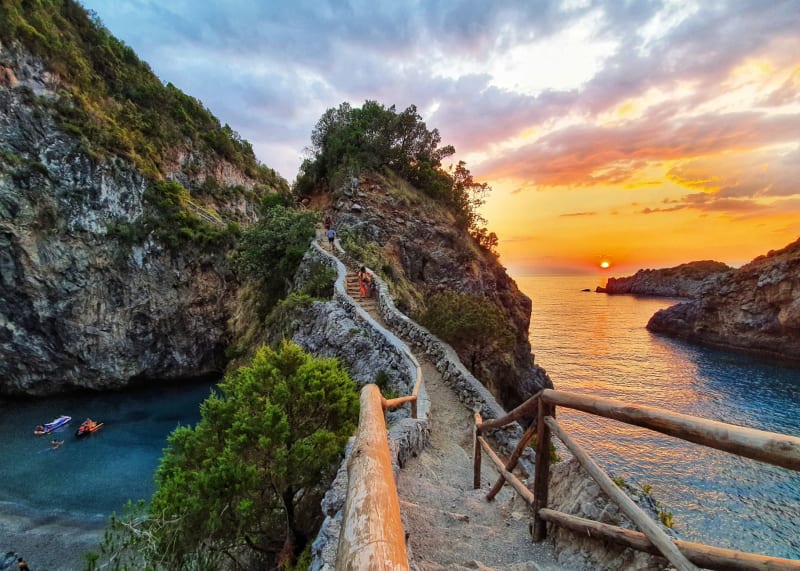
The Path of the Gods — a ridge trail above the coast that offers the one view of the Amalfi Coast that the Amalfi Coast itself cannot give you.
Explore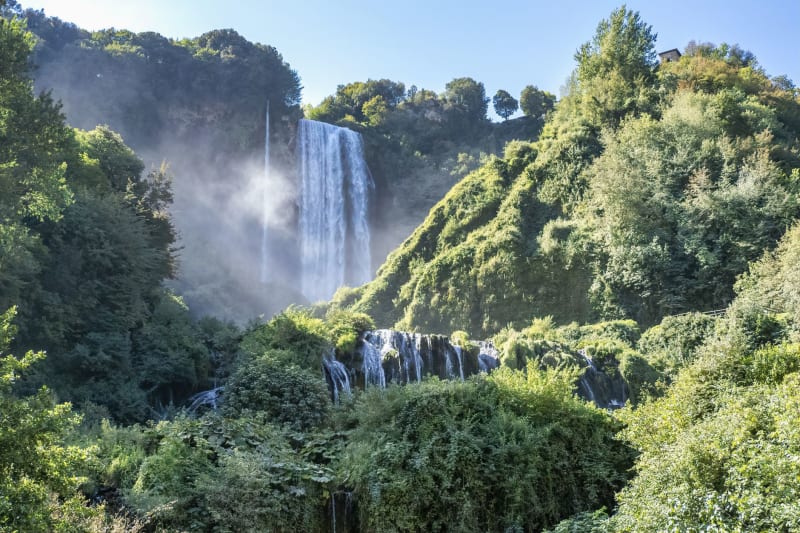 amalfi-coast
 Valle delle Ferriere
A cool green valley above Amalfi where old paper mills rot beautifully among waterfalls, ferns, and lemon groves — the coast's only real escape from the coast.
Explore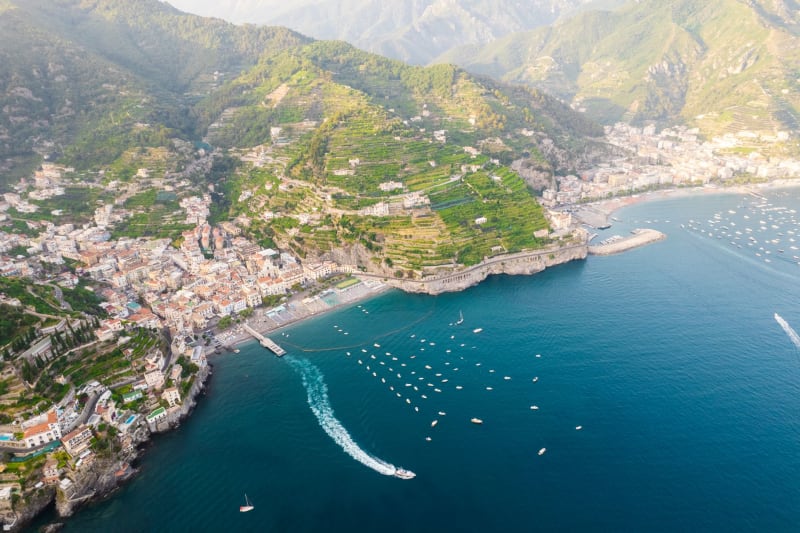 amalfi-coast
 Vietri sul Mare
The ceramics capital of the Italian south, where every building facade is an advertisement and the workshops have been glazing the same cobalt-and-yellow patterns for four hundred years.
Explore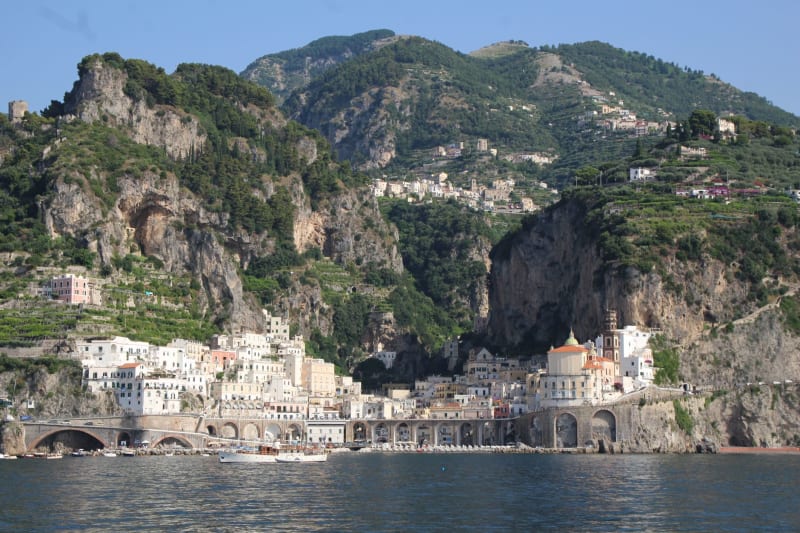 amalfi-coast
 Amalfi Town
A medieval maritime republic squeezed into a gorge above the sea, with a cathedral that looks like a fever dream and lemons that taste like an argument against everything else.
Explore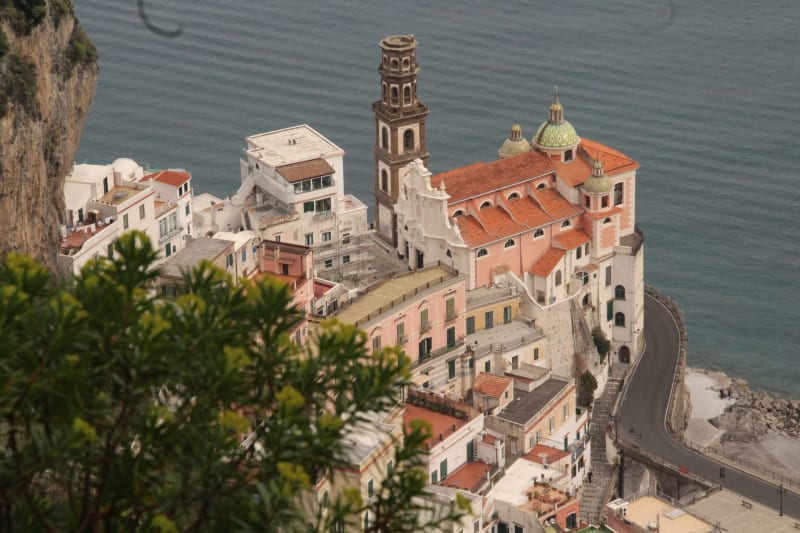 amalfi-coast
 Atrani
Five minutes from Amalfi by foot but decades away in atmosphere — the smallest village on the coast still lives like it forgot it was supposed to become a tourist attraction.
Explore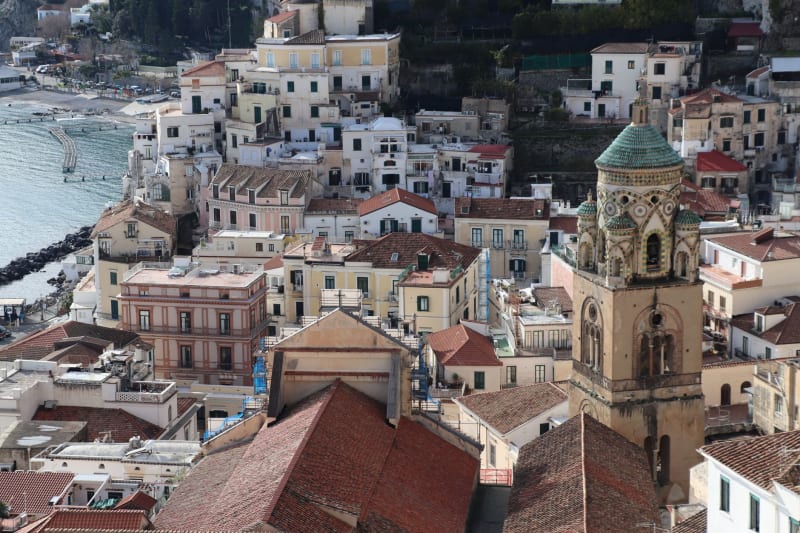 amalfi-coast
 Cetara
An honest fishing village at the east end of the coast where the colatura di alici — a fermented anchovy sauce descended from ancient Rome — is still made the same way it has been for centuries.
Explore