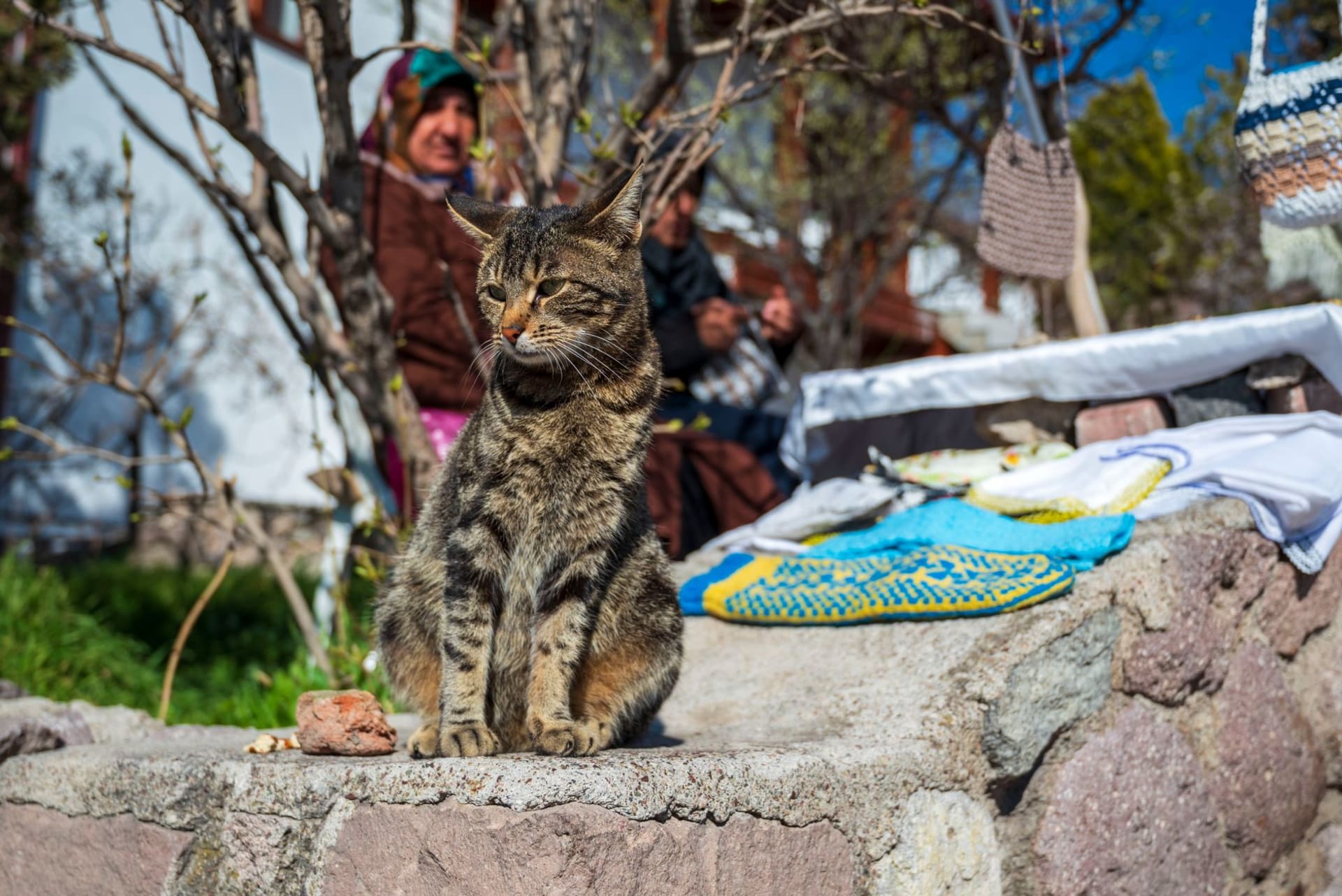
Kosh-Agach
"Every expedition into the high Altai starts by being humbled in Kosh-Agach, and that's probably the point."
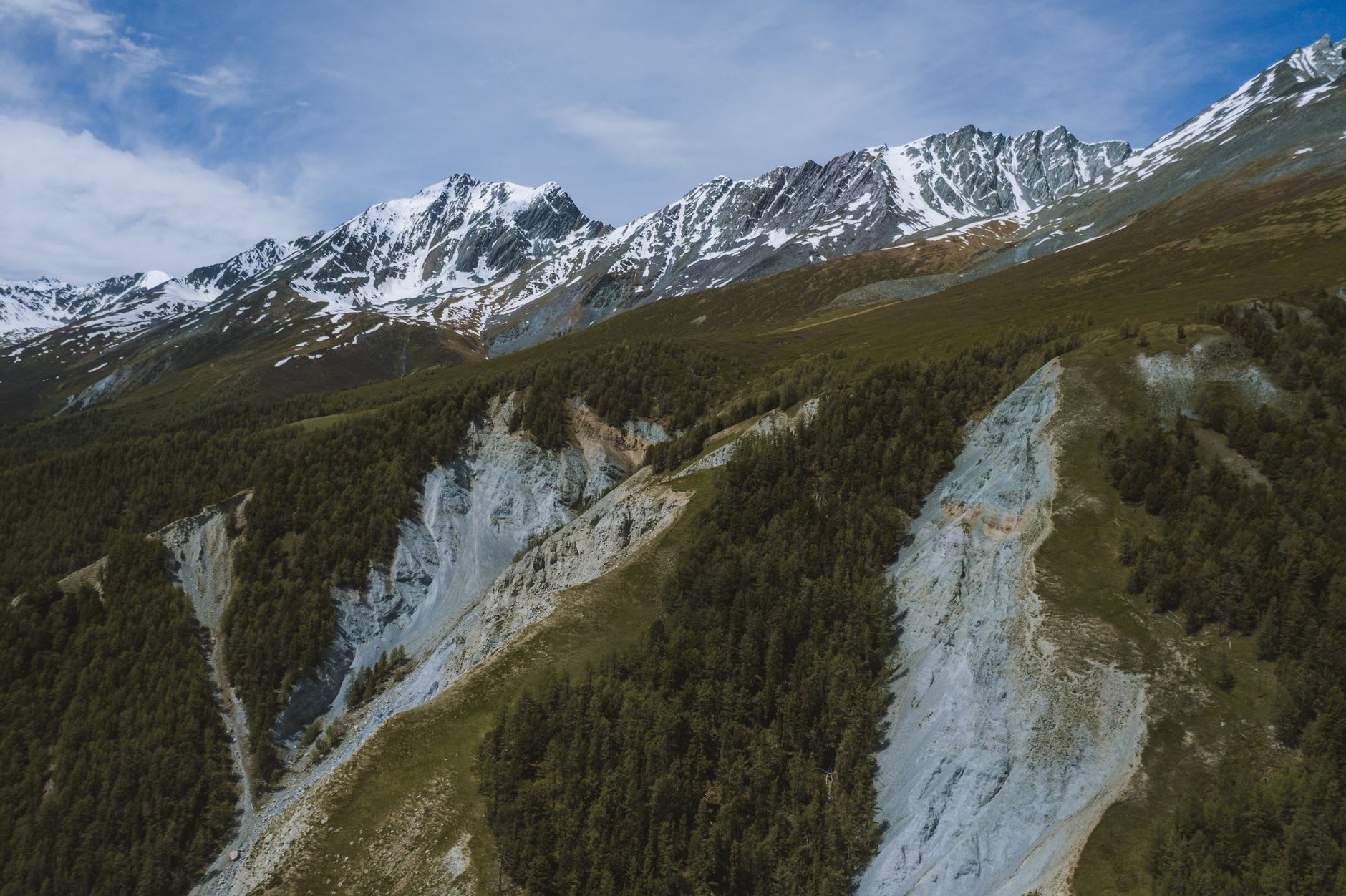
Kosh-Agach exists to remind you how far you have come and how much further you still need to go. It sits at 1,800 metres on the Chuya steppe — a flat, semi-desert landscape that feels more Mongolian than Siberian, because geographically and culturally it practically is. The town itself is a Soviet-era arrangement of low concrete buildings, a few markets selling horsemeat and dried pasta in quantities suited to expeditions, and a central square where the wind moves with unobstructed authority. It is the last place with anything resembling services before you enter the true high Altai, and it wears that function without apology.
I arrived in the late afternoon on the Chuya Highway, which deposits you into Kosh-Agach without ceremony after a day of some of the most dramatic roadside scenery in Asia. The descent into the steppe from the Kuray Range is so abrupt — mountains behind you, semi-desert ahead — that it takes a few minutes to understand you have crossed a climate boundary as much as a geographical one. The air tasted different. Drier, thinner, with a faint mineral edge I associated with the terracotta-coloured hills on the Mongolian side of the valley.
The ethnic composition of Kosh-Agach is unusual even by Altai standards — predominantly Kazakh, with communities descended from herders who have grazed these high steppes for centuries. In the market, women in colourful headcoverings sell kurt — dried balls of sour fermented cheese the size of marbles — alongside jars of cloudberry jam and blocks of amber-coloured butter made from mare’s milk. I ate kurt for the first time sitting on a wooden bench outside, and the sourness was so intense and direct that it felt less like a flavour and more like a position statement. The woman who sold it to me watched my expression with evident amusement.
The cafe where I ate dinner that night was run by a large family and served exactly one thing: plov. The rice came in a deep bowl with a piece of braised lamb that fell off the bone in layers, scented with cumin and garlic and some dried herb I couldn’t identify. There was no menu, no choice, no decision to make. The youngest son refilled my tea glass from a pot that seemed never to empty. It was the best meal I had in the Altai, and I ate it in a room with no decoration beyond a calendar from 2018 and a framed photograph of the Kaaba in Mecca.

Kosh-Agach is not a destination in the conventional sense. It is a threshold. The people who stay more than a night or two are either stocking up for the plateau or returning from it, and the conversations in the guesthouses have the particular quality of debrief — where did you go, what was the river like, did you see anyone out there. I spent one full day here between legs of the trip and found it unexpectedly restorative. After a week in the mountains with almost no human contact, the noise and crowdedness of a small frontier town felt genuinely luxurious.
When to go: Kosh-Agach is accessible year-round as a transit point, but most travellers pass through June to September. Winter is severe at this altitude and the surrounding high routes close. Even in summer, nights are cold — pack accordingly.