Denisova Cave
"I've stood in a lot of old places, but never one where three kinds of humans once slept."
A quiet cave above the Anuy River that rewrote human history, where three kinds of humans once shared the same fire.
I almost didn’t stop here. On the map it’s just a dot along a dirt road following the Anuy River, hours from anywhere Lia and I had planned to be that week in the Altai Republic. But a driver we’d hired in Gorno-Altaysk mentioned, almost offhand, that the cave up ahead was where they found “the other humans,” and I made him pull over. I didn’t fully understand what he meant until later that evening, reading by headlamp in our tent, that a single finger bone fragment pulled from this cave in 2010 had revealed an entirely unknown branch of the human family tree — the Denisovans, named for this exact spot.
Walking up the short slope to the entrance, chalky dust on my boots, it’s hard to reconcile the modest size of the opening with what came out of it. The cave sits in the Bashelaksky Range, its mouth catching the afternoon light in a way that made me stop and just look before going in. Russian archaeologists have been digging here since the 1970s, working through sediment layers that span something like 300,000 years of on-and-off human occupation. Denisova is, as far as anyone knows, the only site on Earth where the remains of Denisovans, Neanderthals, and a first-generation hybrid of the two — a girl researchers nicknamed “Denny” — have all turned up together, layered on top of each other like chapters in a book nobody knew existed.
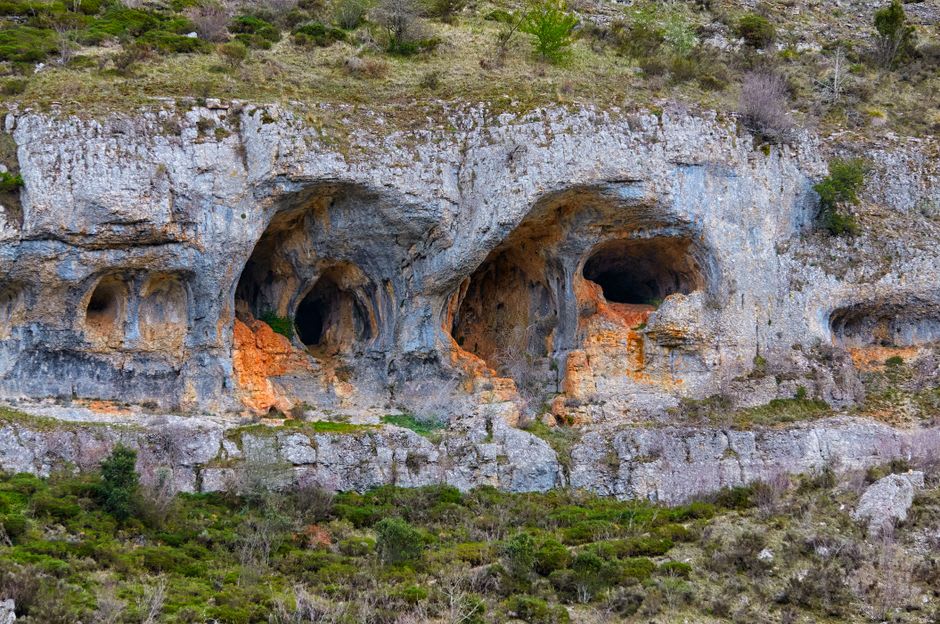
Inside, our guide pointed out the excavation grid still marked into parts of the floor, string lines dividing the earth into careful centimeters. It’s not a dramatic cave in the way some are — no vast chambers, no dripping stalactites — but knowing what’s been pulled from underfoot changes how you move through it. Somewhere in these layers was a chlorite bracelet, worked with drilling techniques so precise that when I read about it later I had to double check the timeline, assuming I’d misread how old it was. Lia, who studied art history before we met, kept circling back to that detail all through dinner that night: someone here was making jewelry, deliberately, tens of thousands of years before anything we’d normally call “civilization.”
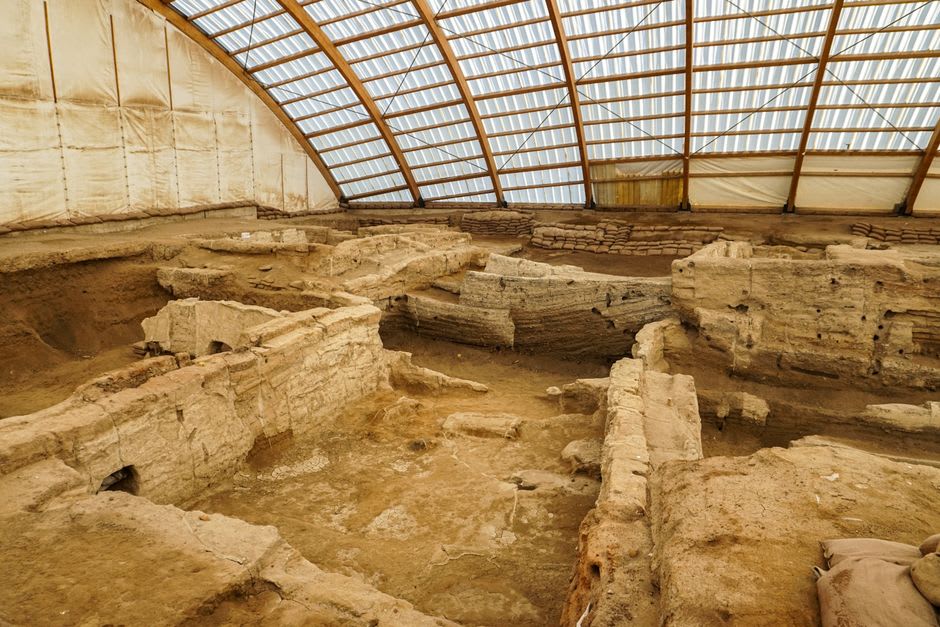
Before we left, the guide told us the cave’s name actually comes from an 18th-century hermit named Dionisij, who apparently just lived there for a stretch, centuries after everything else had happened in that soil. I liked that detail more than I expected to — this place drawing in strange residents across three hundred millennia, right up to one lonely monk. We sat by the river afterward, eating bread and cheese we’d packed that morning, and I remember feeling genuinely small in a way that had nothing to do with the mountains around us.
When to go: Aim for summer, June through August, when the Altai Republic’s roads hold up and the cave itself is reliably reachable — earlier or later in the year, the route in gets a lot less forgiving.
Keep exploring
More from Altai Mountains
 altai-mountains
 Gorno-Altaysk
The unassuming capital of the Altai Republic — a river-valley city that works as a gateway but rewards those who slow down enough to see it.
Explore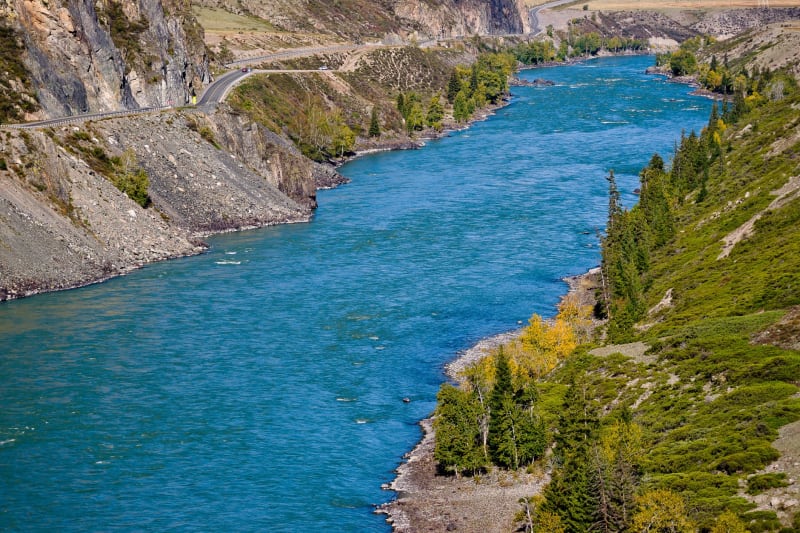 altai-mountains
 Katun Valley
The turquoise artery of the Altai — a river valley where the water runs an impossible glacial blue and the pace of life slows to match it.
Explore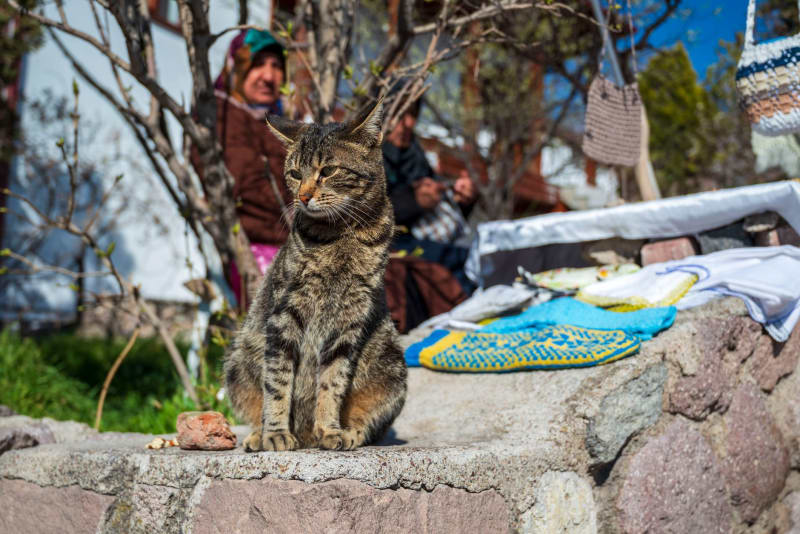 altai-mountains
 Kosh-Agach
A frontier town at 1,800 metres where the Chuya steppe meets the Mongolian border and plov arrives before the wifi signal does.
Explore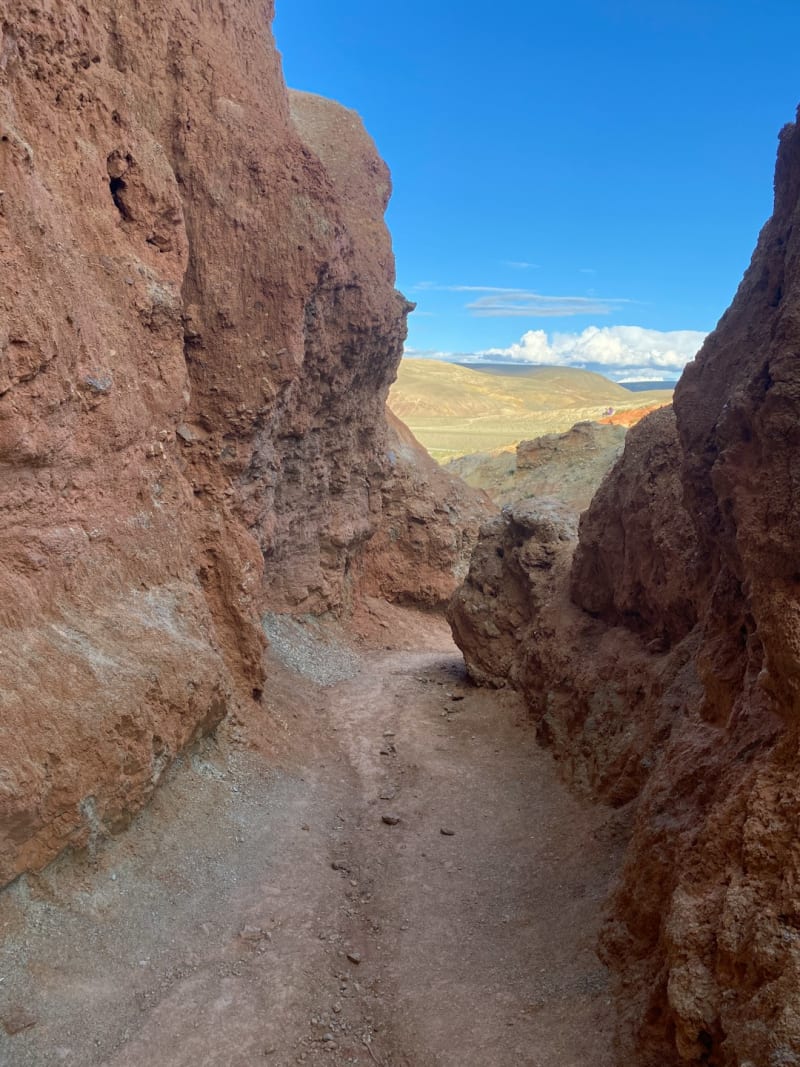 altai-mountains
 Kyzyl-Chin Valley
A striped, almost lunar valley of red, yellow and green mineral slopes hidden nine kilometers off the Chuysky Trakt near the Mongolian border.
Explore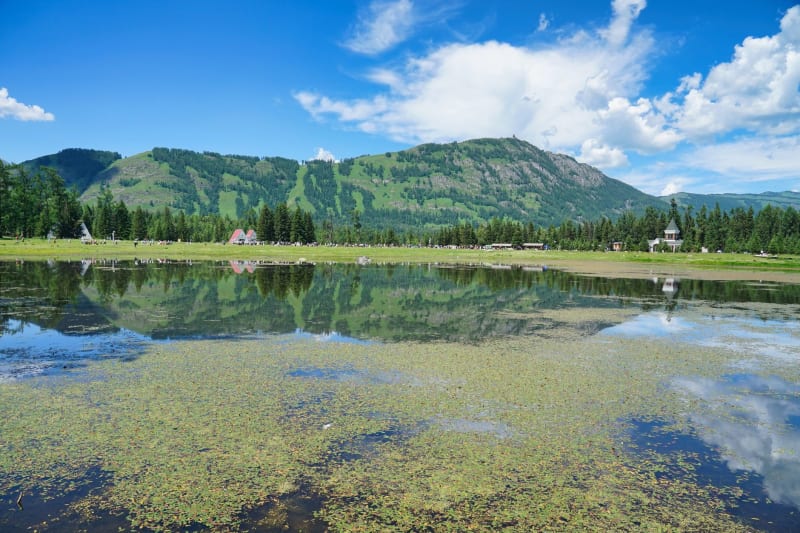 altai-mountains
 Multinskiye Lakes
A chain of four glacial lakes in western Altai connected by cascading rivers, each one a different shade of blue and each one more remote than the last.
Explore altai-mountains
 Shavlinskoye Lake
A glacial mirror so still that the granite peaks above it appear duplicated, as if the earth can't stop admiring itself.
Explore