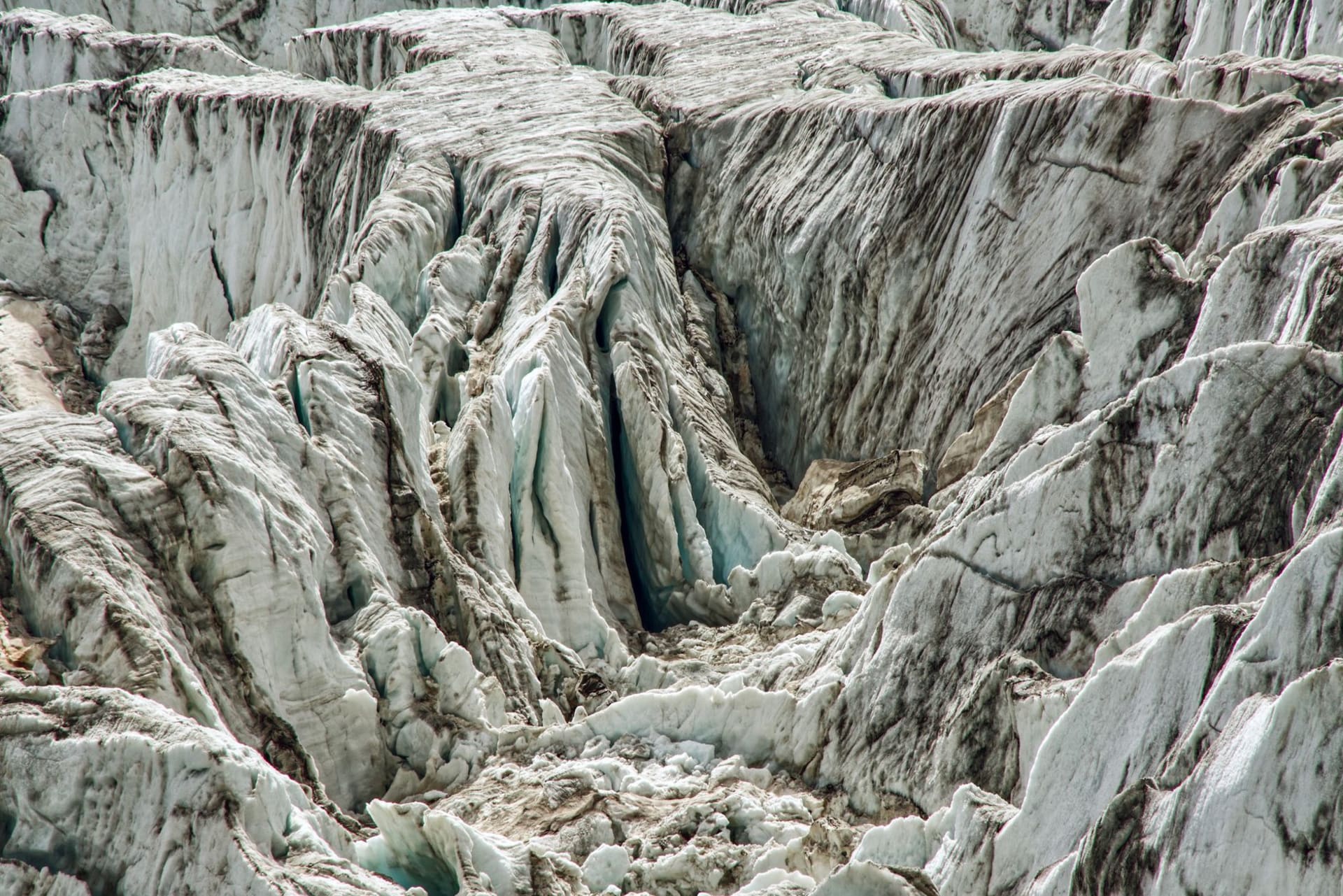
Aktru Glacier
"Standing on the moraine at Aktru, I understood why alpinists get that particular faraway look. The air is thinner but somehow the thinking gets clearer."
The base camp at Aktru is a loose collection of wooden buildings at 2,150 metres that functions as a mountain sports station run by Tomsk State University. It is not comfortable in any resort sense, but it has a banya, a cook who serves buckwheat porridge and black tea with mechanical efficiency, and the specific sociability of places where people who have come to do hard things gather in the evenings and talk about the hard things they have done. I slept in a wooden bunk that smelled of pine and damp wool, and I was more content than I had been in a feather bed in months.
To get here from the Chuya Highway you turn onto a dirt track at the village of Aktru — easily missed, no real signage — and drive or walk about 8 kilometres up a valley that narrows as you go, the sides of it rising from pine-covered slopes to bare grey rock to the first permanent snowfields. The Aktru River runs beside the track, fed by the three glacier tongues above: the Big Aktru, the Small Aktru, and the Leviy Aktru. The river is milky with glacial flour and cold enough to make the bones in your hand ache within seconds.
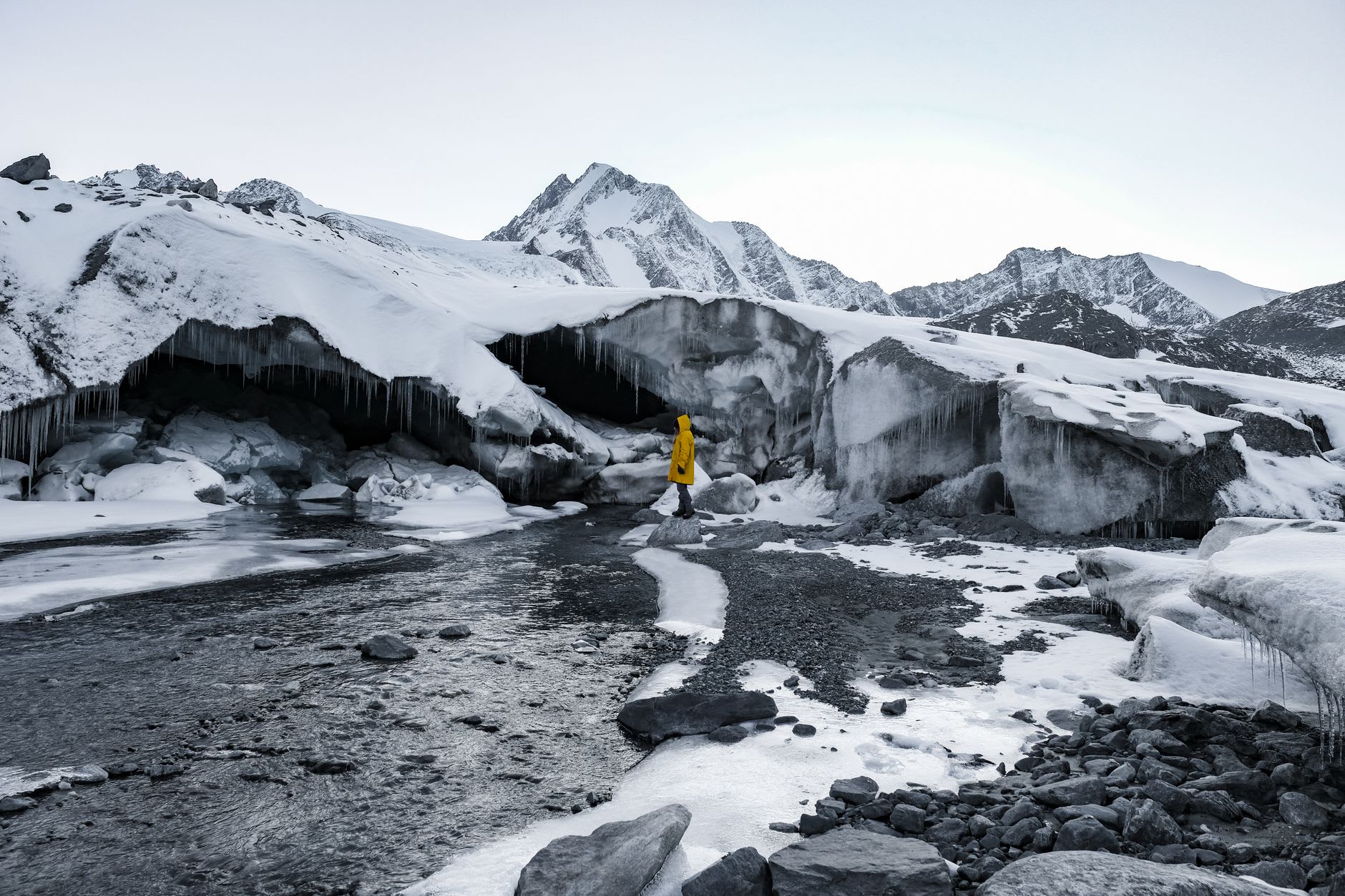
The walk to the glacier snout takes about two hours from base camp, crossing a landscape of lateral moraine — ridges of grey and brown rock debris that the glacier pushed aside as it advanced over thousands of years and has been retreating from for the last century. The moraine has its own strange beauty: a chaotic tumble of boulders, some the size of houses, some the size of fists, arranged by forces too large and too slow for the human scale of things. On the moraine I found the shell of a ground squirrel, the tracks of something larger in a patch of late snow, and a piece of quartz the size of a fist that caught the light in a way that made me put it in my pocket and feel faintly ridiculous about it later.
The glacier face, when you reach it, is a wall of ancient ice with a particular blue-grey that exists nowhere else in the colour spectrum. Meltwater drips steadily from overhangs and pools in turquoise depressions. The sound of ice is different from the sound of water — lower, more hesitant, with pauses that feel intentional. A guide from the base camp who had accompanied me for the upper section told me that the Big Aktru had retreated about a kilometre and a half since the 1950s. He said this without obvious emotion, in the way you say something that is simply a fact and has been a fact for long enough that distress about it has resolved into a kind of flat acknowledgement.
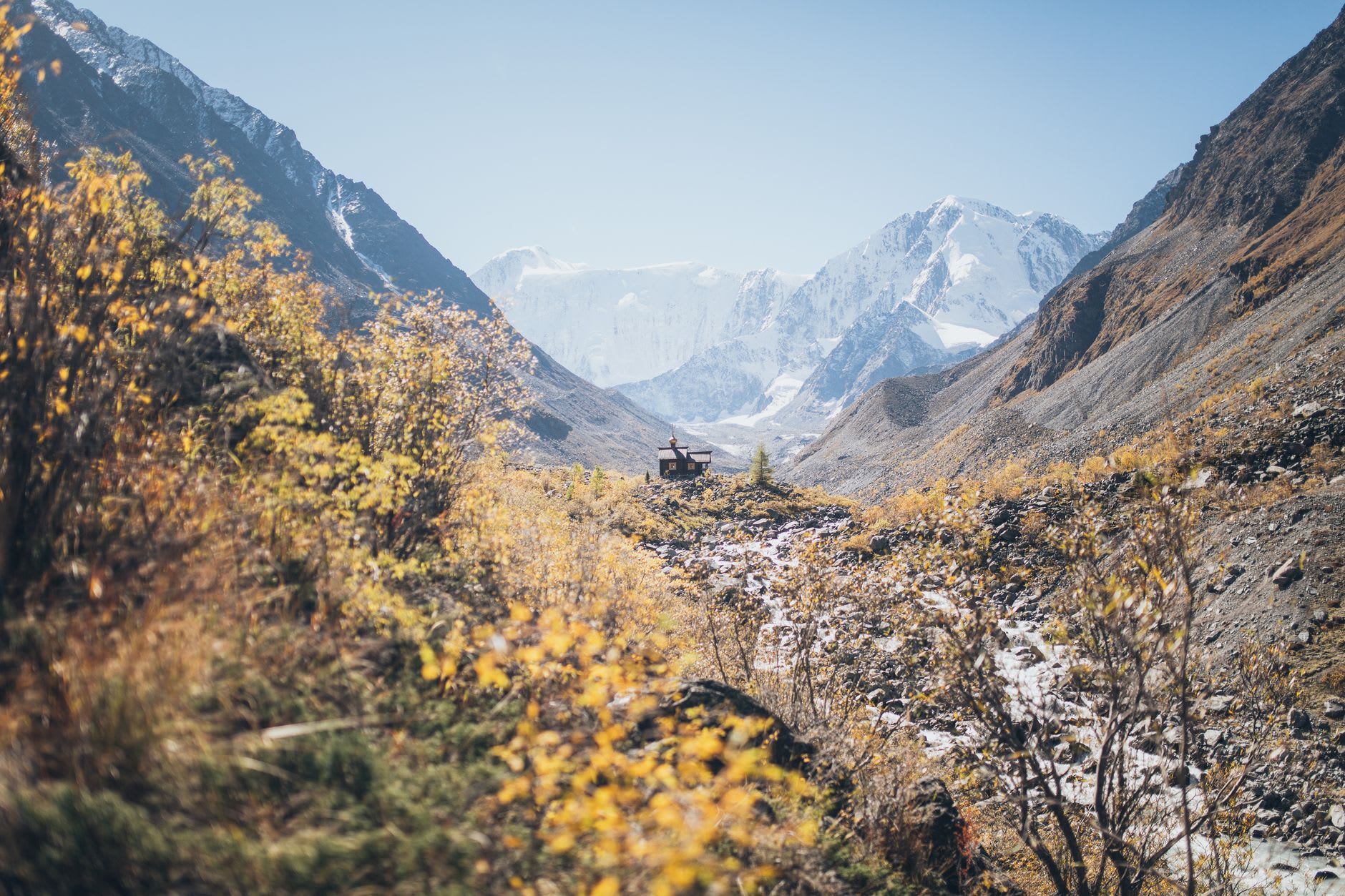
Above the glacier, accessible to experienced hikers on a clear day, is the Karatash Pass at 3,060 metres. I did not make it that far on my visit. I turned around at the glacier snout, ate the dense rye bread and dried fish I had carried up, and sat on a boulder for a long time watching the ice make its slow argument against the sun. It was losing, in geological terms. That afternoon, it didn’t look like it.
When to go: July and August for glacier access and the Karatash Pass. The base camp operates from June, but the upper routes remain icy and require crampons until mid-July. September is possible but the weather deteriorates quickly and snow can close the valley track with little warning.