Chateau du Haut-Koenigsbourg
"Lia said it looked fake, too perfect to be real. That's exactly the point."
A red sandstone fortress rebuilt by a Kaiser, floating above the Vosges vineyards like something out of a bedtime story.
I’ll admit I was skeptical before we even got out of the car. Lia had shown me photos of Haut-Koenigsbourg on her phone the night before, and I remember thinking it looked almost too crisp, too symmetrical, like a Disney concept drawing rather than something that had actually survived eight centuries. Then we came around the last bend of the road up from Orschwiller and there it was, sitting on its rocky spur at 757 meters like it had grown out of the stone itself, and I understood why half a million people a year make the same drive we did.
What got me, once we were inside, wasn’t the polish, it was the story underneath the polish. This place was first written about in the 12th century, under the Hohenstaufen dynasty, and then Swedish troops burned it down during the Thirty Years’ War in 1633 and left it a shell for over two hundred years. I stood in the courtyard trying to picture two centuries of just… ruins up there, wind and ivy, while Alsace changed hands again and again below.
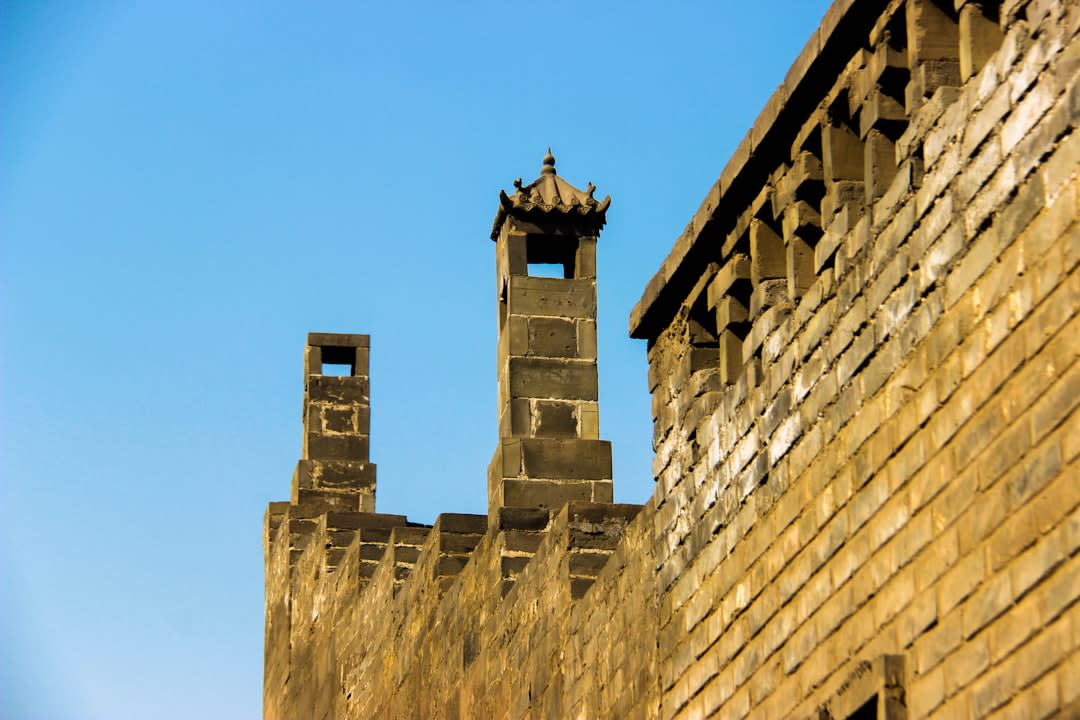
The twist that really stuck with me is that the castle we’re walking through today is basically a German Kaiser’s fantasy of the Middle Ages. In 1899, the town of Selestat gave the ruins to Wilhelm II as a gift, and he had architect Bodo Ebhardt rebuild the whole thing between 1900 and 1908, working drawbridge, cannon, and all, as his idea of what a proper medieval fortress should look like. Lia and I stood by that drawbridge for a good ten minutes, and I kept thinking about how history sometimes hands you a rebuild instead of an original, and how that rebuild becomes its own kind of true story.
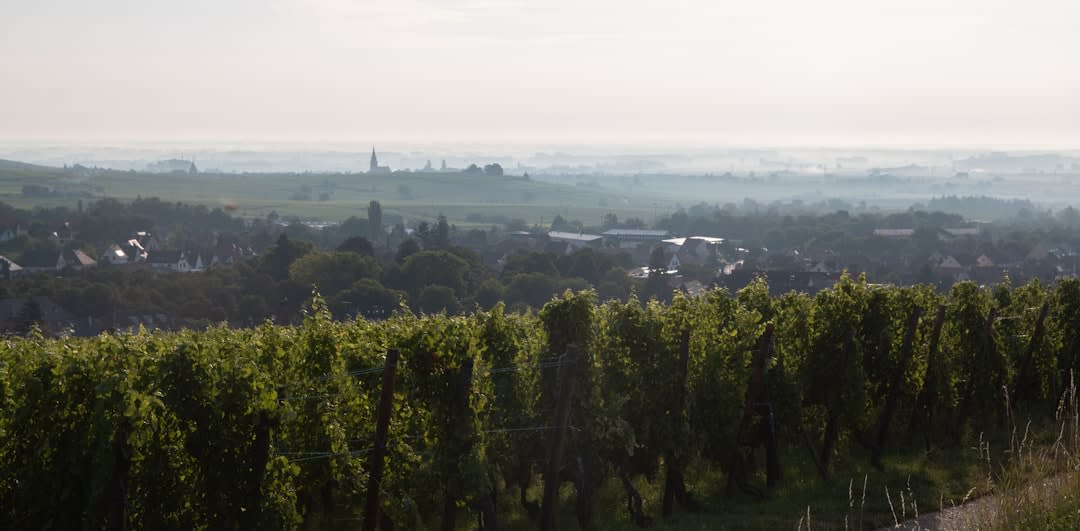
We ended up staying until the crowds thinned near closing time, just leaning on the ramparts and looking out over the vines toward the Rhine plain. I bought a small bottle of Riesling from a stand in Orschwiller on the way back down and we drank it that night on the balcony of our gite, still talking about the drawbridge.
When to go: We got lucky with a clear autumn afternoon, and I’d plan for exactly that if you can, the ramparts turn into the best seat in Alsace for watching the vineyards below go gold.
Keep exploring
More from Alsace
 alsace
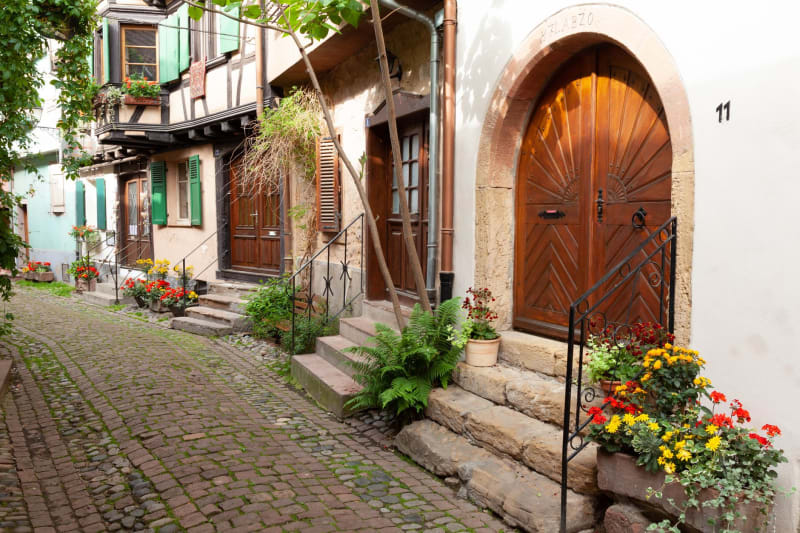
 Kaysersberg
Albert Schweitzer's birthplace on the Weiss river, with the best fortified covered bridge in Alsace and a Gewurztraminer tradition that preceded him by centuries.
Explore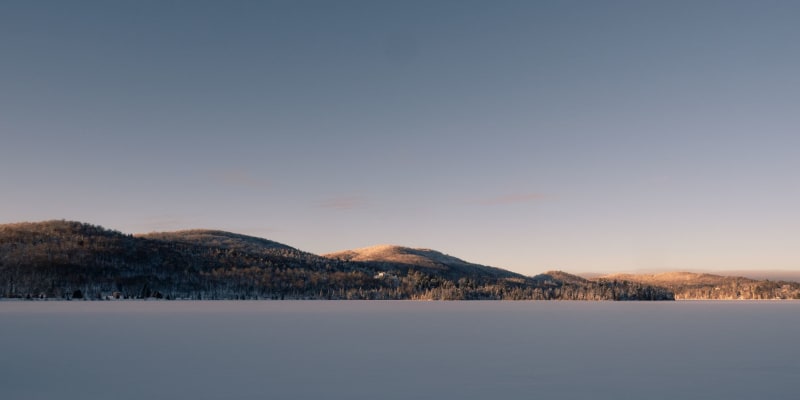 alsace
 Mont Sainte-Odile
A Celtic pagan wall, a seventh-century convent, and a view across the Rhine plain that makes the border between France and Germany feel like a casual decision.
Explore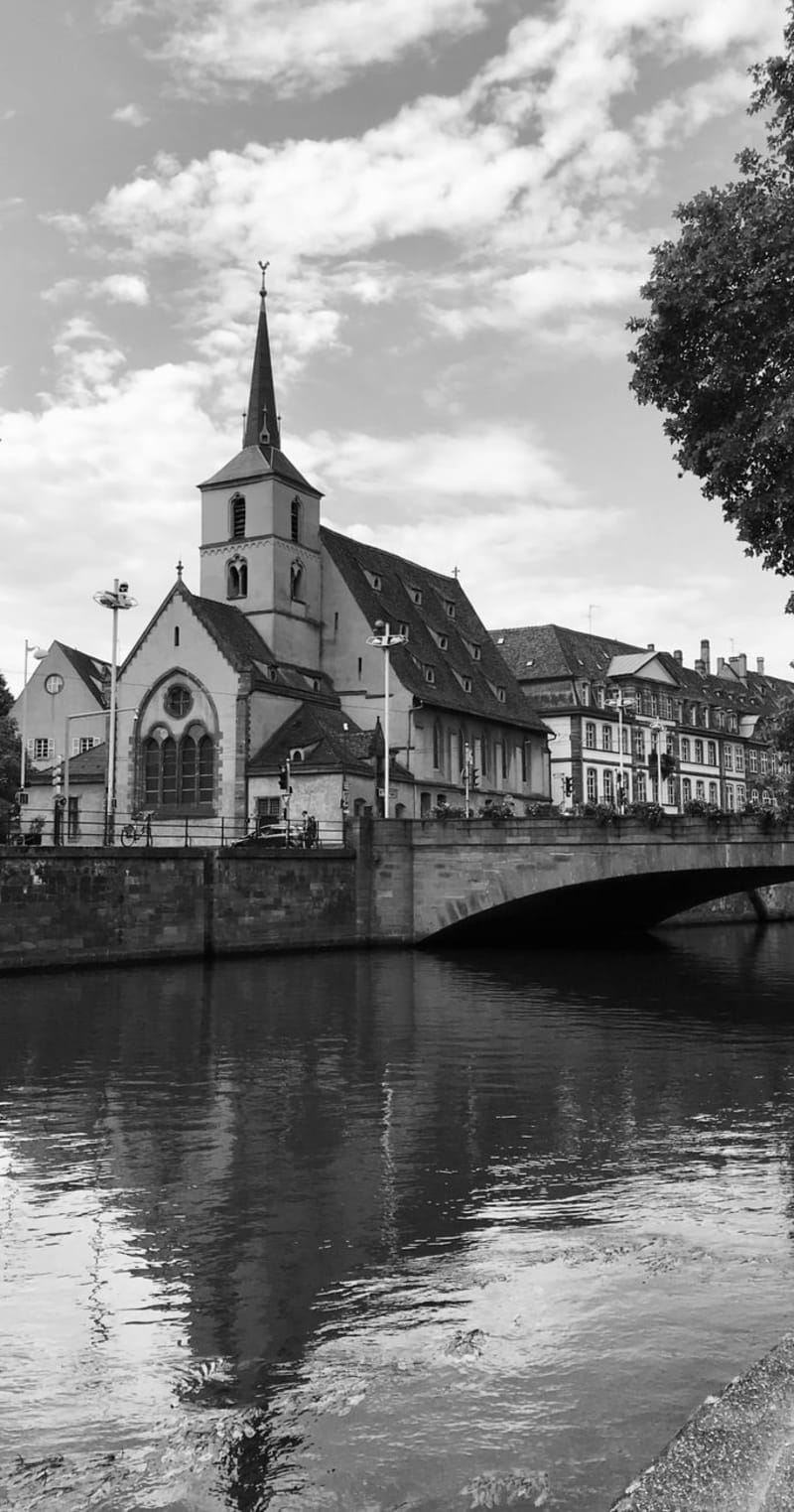 alsace
 Mulhouse
Alsace's gritty industrial city redeems itself with a painted Renaissance square and the greatest car museum on earth, hiding hundreds of Bugattis in a former mill.
Explore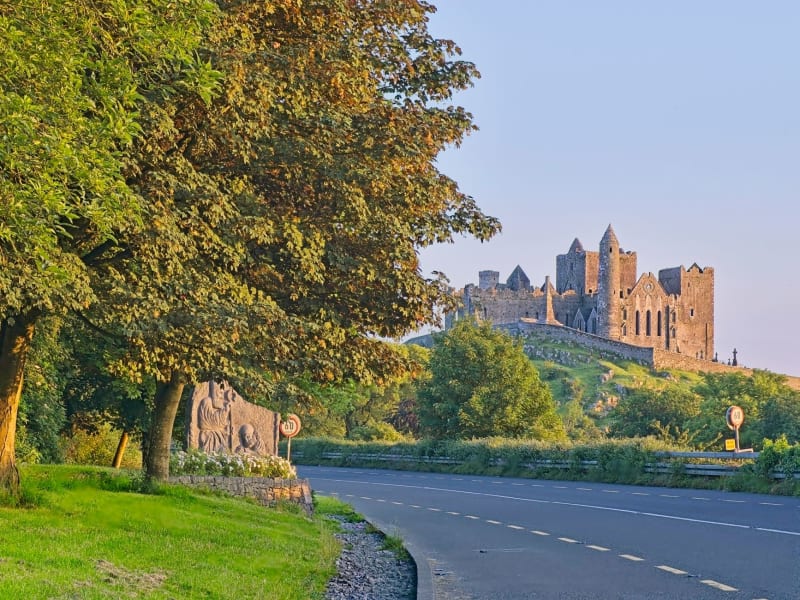 alsace
 Munster Valley
The valley that gave the world its most assertively aromatic cheese, where the Vosges mountains offer a different Alsace entirely — hiking boots over wine glasses.
Explore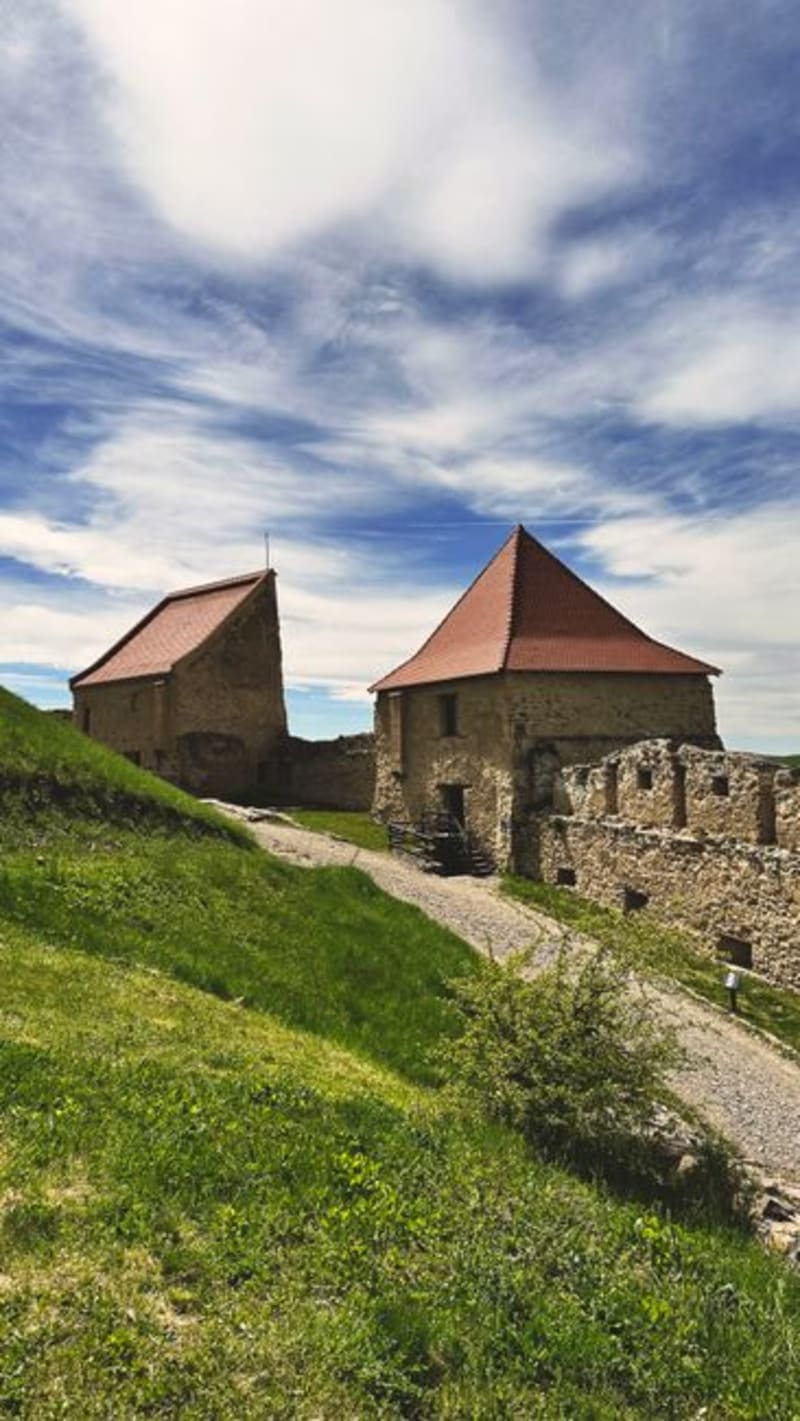 alsace
 Neuf-Brisach
A perfect octagon of stone and grass on the Rhine plain, Vauban's last fortress town still guards its empty streets.
Explore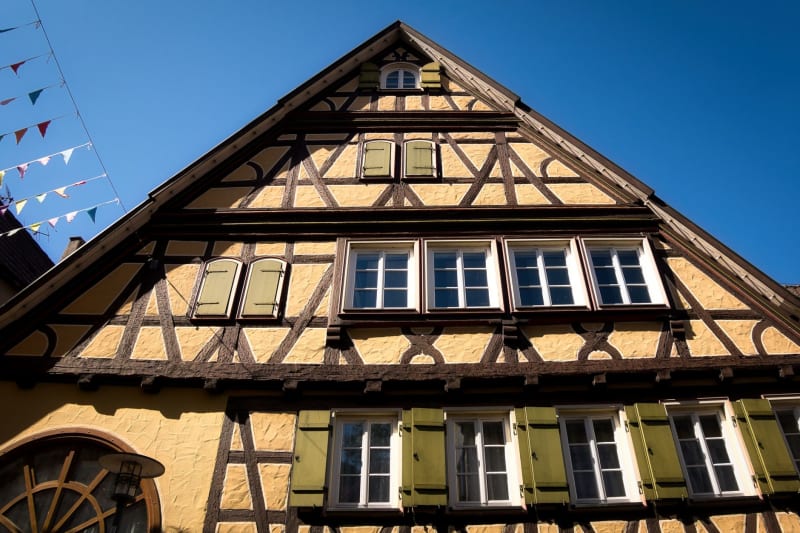 alsace
 Obernai
A market town at the foot of the Vosges where a six-bucket Renaissance well and Friday produce stalls remind you this is a place that has always fed the region.
Explore