Elvas
"Elvas doesn't whisper its history — it builds walls seven meters thick and dares you to forget it."
A fortress town of star-shaped walls and a soaring aqueduct, where Lia and I felt Portugal's border history underfoot at every turn.
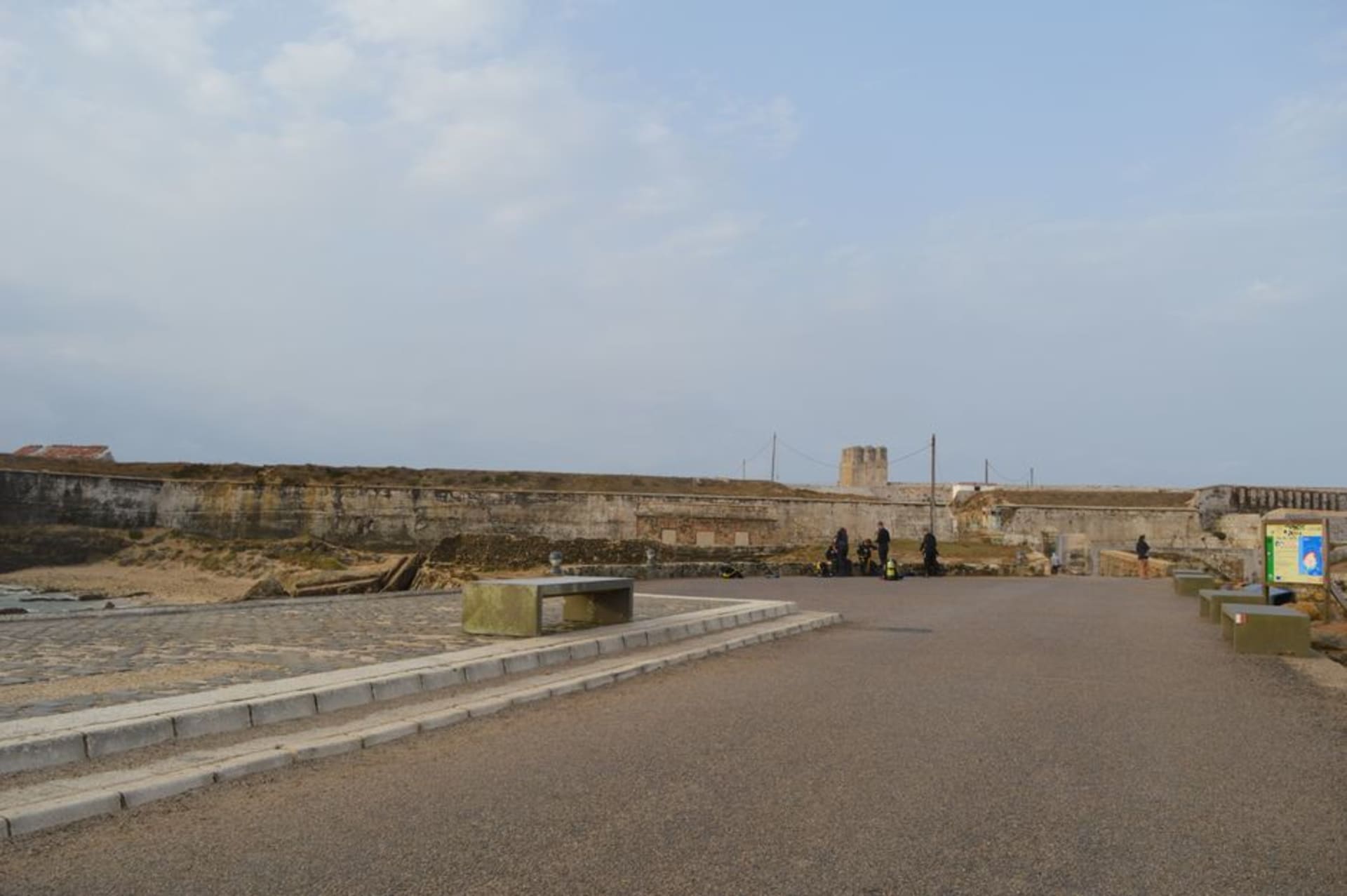
We almost skipped Elvas. It sits so close to the Spanish border that on the map it looked like an afterthought, a place to pass through on the way to somewhere else. I’m glad we didn’t. The moment we came over the last rise on the road from Badajoz and saw the bastions unfold below us, star-pointed and impossibly geometric against the red earth, Lia grabbed my arm and told me to pull over. We just stood there for a few minutes, trying to make sense of the shape of the thing. It didn’t look like a town. It looked like a machine built for a single purpose, which, it turns out, is exactly what it was.
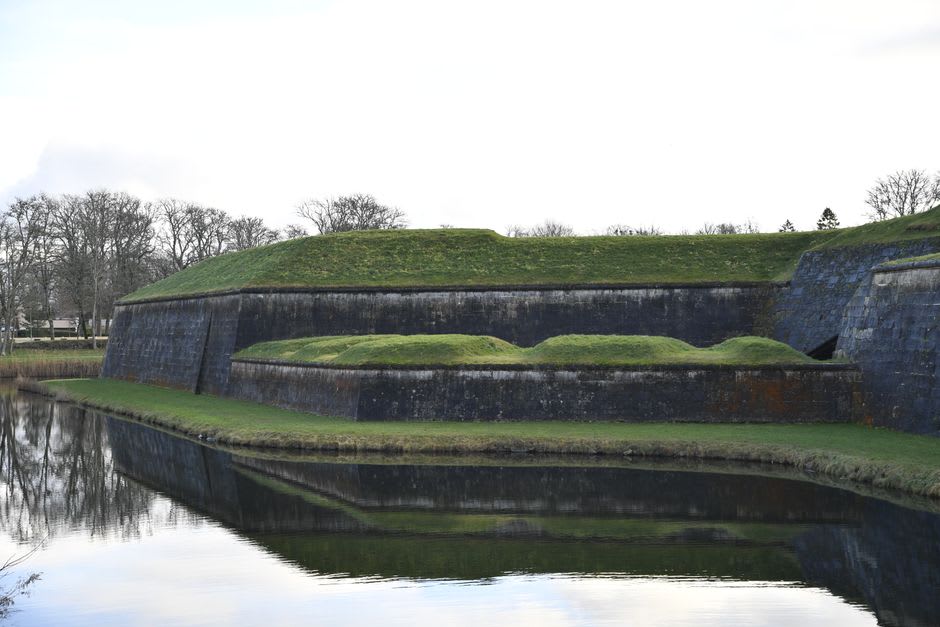
That purpose becomes obvious once you start walking the ramparts. Elvas grew into this dense knot of bastions, dry moats, and outworks after 1640, when Portugal broke from Spanish rule and needed its border towns to be able to withstand anything Madrid threw at them. In 1659 they did — the town held off a major Spanish siege, and you can feel why walking the perimeter: every angle is designed so defenders could see and fire on an approaching enemy from multiple directions at once. UNESCO recognized it in 2012 as the largest dry-ditch fortification system anywhere in the world, and honestly, once you’ve walked even a third of it, that claim stops sounding like tourist-board hyperbole.
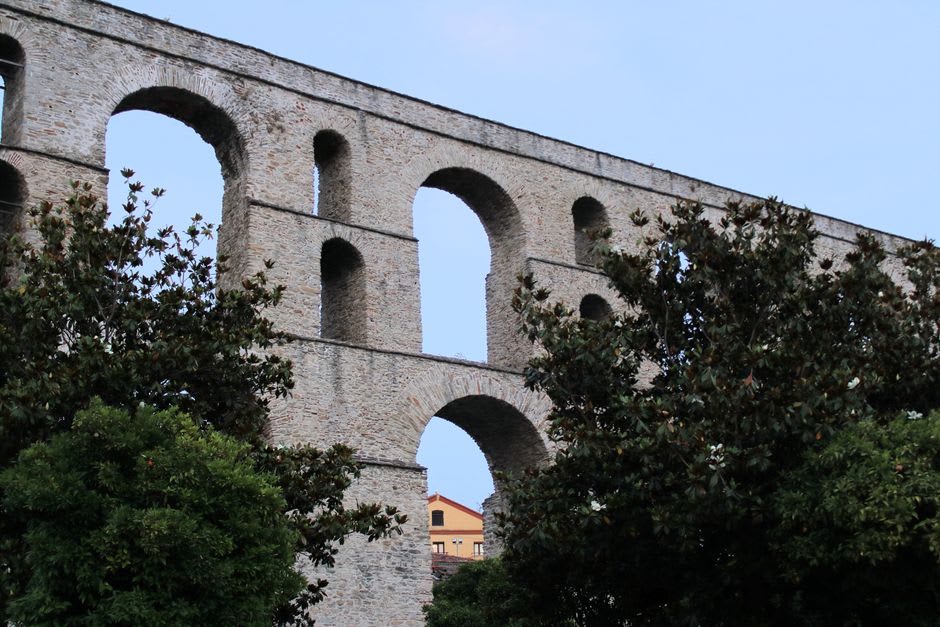
But the fortifications aren’t even the part that stayed with me longest. It’s the Amoreira Aqueduct, this Renaissance-era line of arches that marches for more than seven kilometers into the countryside, some of them rising 31 meters overhead near the town walls. We ate lunch — cured presunto, a wedge of Serpa cheese, bread still warm from a padaria near the square — sitting almost directly beneath it, and I kept losing the thread of conversation because I couldn’t stop looking up. It was built purely so the town could survive a siege without dying of thirst, which says something about how seriously this place took the business of not falling. Later we wandered up into the 13th-century Moorish castle at the highest point of town, and into Nossa Senhora da Assunção, a church that started life as a mosque — you can still feel that layered history in the proportions of the space, even after everything that was added on top.
What I keep coming back to about Elvas is how unshowy it is about all this. There’s no queue, no ticket booth funneling you through a single approved route — you just walk the walls, or don’t, and the town lets you find the aqueduct and the castle and the old mosque-church on your own rhythm. It felt less like a monument and more like a place that happened to survive, fully intact, into a century that finally stopped needing it to fight.
When to go: We’d point you toward spring, March through May, when the weather is mild enough for long walks along the ramparts and the almond trees in the countryside around town are in blossom — a soft, unexpected contrast to all that hard stone.