Writing-on-Stone Provincial Park
"Writing-on-Stone doesn't look like Alberta. It looks like a piece of Utah that wandered north and got lost."
A valley of wind-carved hoodoos along the Milk River, sacred to the Blackfoot for centuries and covered in some of the largest concentrations of First Nations rock art on the continent.
Nobody had mentioned Writing-on-Stone to me before I found it on a map, tucked into the far southern edge of Alberta near the Montana border, hours from anything I’d been told to prioritize. I drove down through increasingly empty ranchland until the road dropped without warning into a river valley lined with pale sandstone hoodoos, and I actually pulled over because I genuinely did not believe what I was looking at was still Alberta. The Milk River cuts through soft sandstone here and has spent thousands of years sculpting it into towers, mushrooms, and hollowed arches, the whole valley looking like something airlifted in from the American Southwest.
What makes the place extraordinary, though, isn’t the geology — it’s what’s carved into it. This valley, called Áísínai’pi by the Blackfoot, holds the largest concentration of First Nations petroglyphs and pictographs on the North American plains, some of it many centuries old, depicting battle scenes, shield-bearing warriors, and animals etched or painted directly onto the rock faces. It’s a UNESCO World Heritage Site, and walking the interpretive trail with a Blackfoot guide, hearing him describe the valley as a place his ancestors came specifically because it felt spiritually charged — a landscape that seemed to want to be marked — changed how I looked at every hoodoo afterward. This wasn’t scenery. It was, and still is, a text.
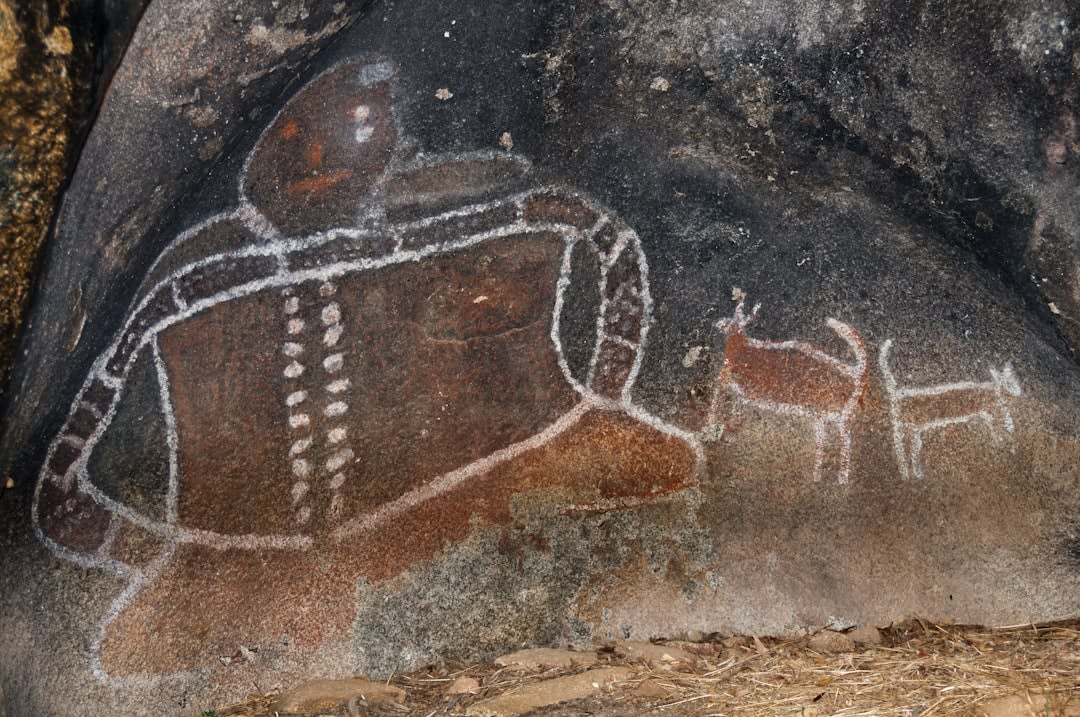
I camped a night at the park campground down by the river, and the silence after dark was almost total — no highway noise, no town glow, just the river and the wind moving through the hoodoo formations, which apparently make a low, distinct sound as air passes through their hollows that early travelers described as voices. I didn’t hear anything I’d call a voice, but I understand completely why people once did. There’s a section of the park, the Battle Scene site, that remains closed to unguided visitors specifically to protect the most sacred and fragile rock art, and I respected that more than I resented it — some places are not meant to be fully open, even to genuinely curious travelers.
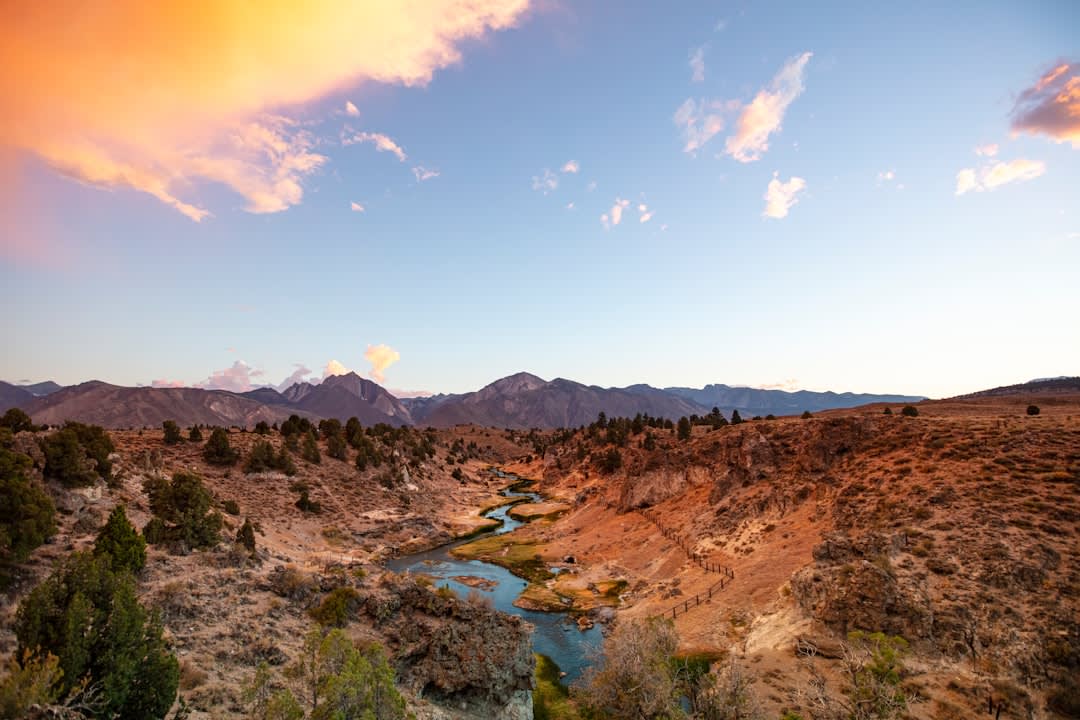
When to go: May through September for warm weather and open access to the guided rock art tours, which run seasonally and are worth booking ahead. Early morning or evening light is best for photographing the hoodoos, and it also avoids the worst of the summer heat, which builds fast in this exposed valley.
Keep exploring
More from Alberta
 alberta
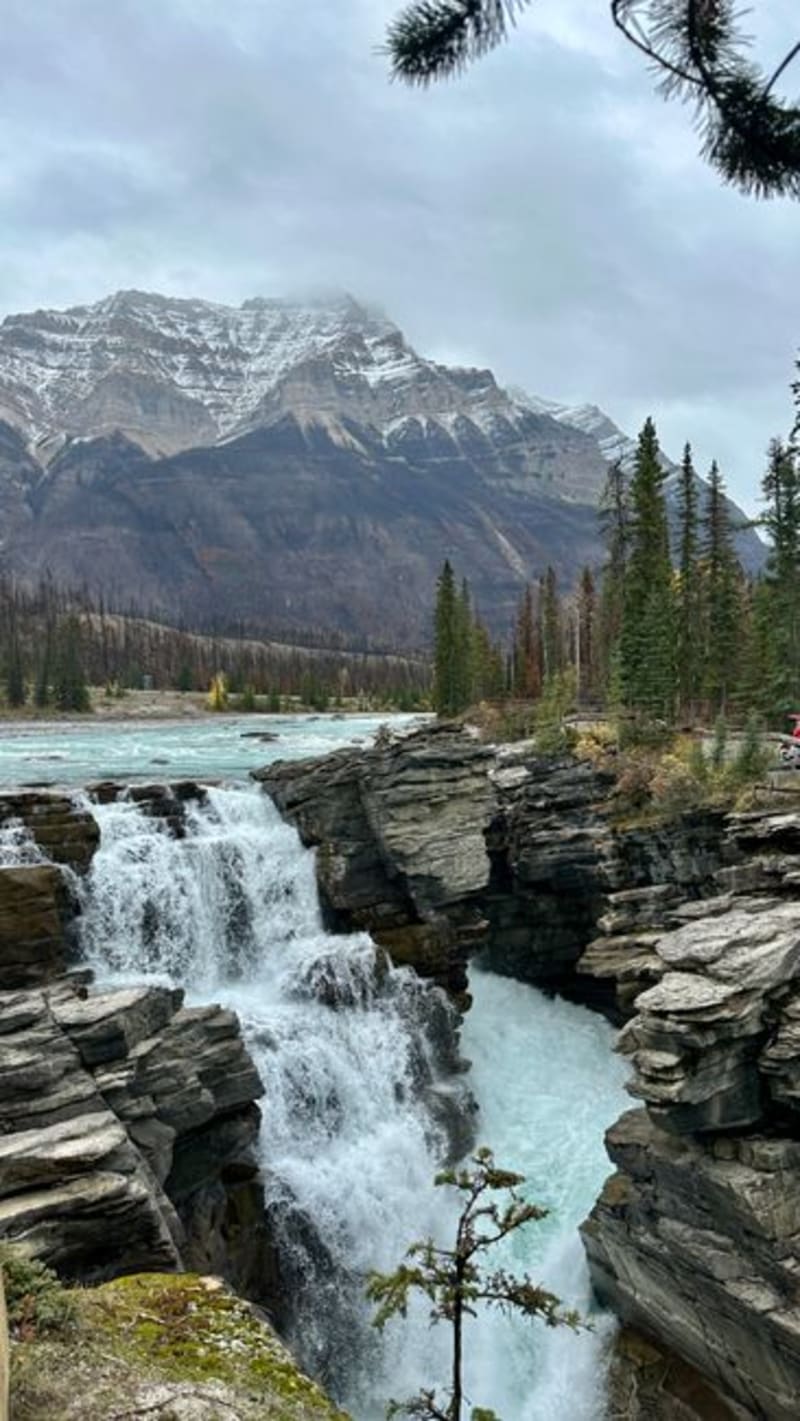
 Athabasca Falls
A short, violent drop where the Athabasca River forces its entire volume through a narrow quartzite gorge just south of Jasper townsite, loud enough to feel before you see it.
Explore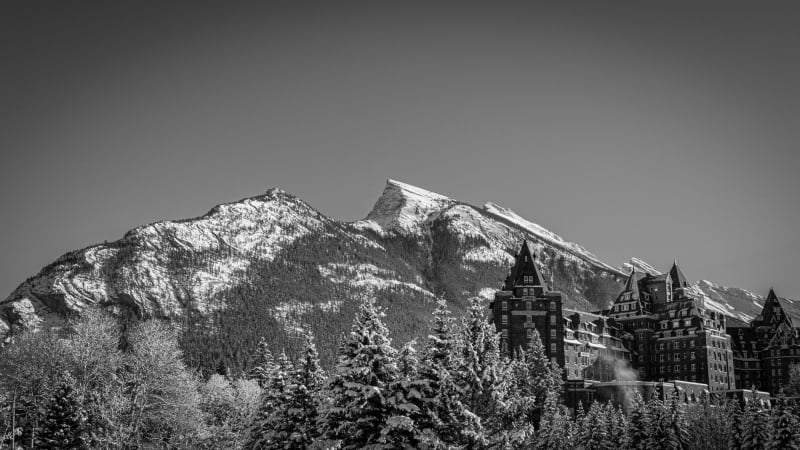 alberta
 Banff
A mountain town so perfectly placed inside its national park that even the gas station has a glacier for a backdrop.
Explore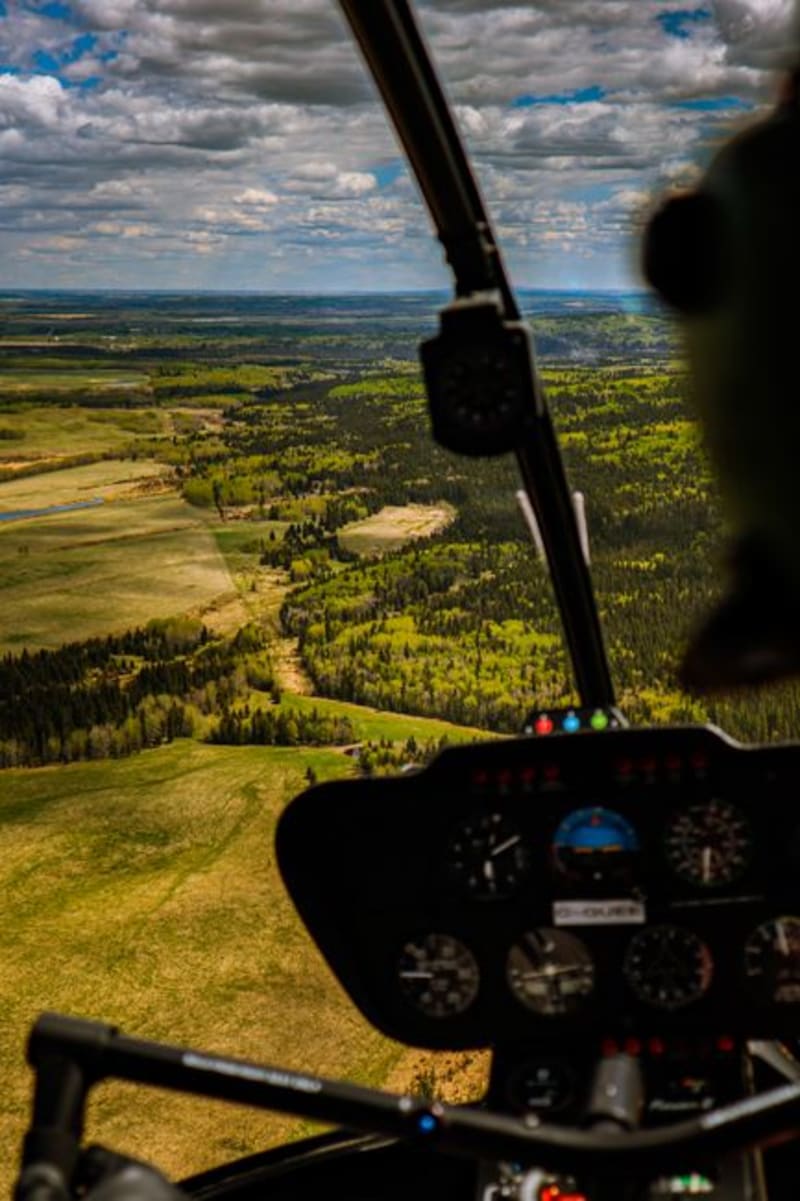 alberta
 Bragg Creek
A small foothills hamlet west of Calgary where the prairie gives its first hint of mountains, threaded with quiet trails along the Elbow River and a handful of galleries and log-cabin shops.
Explore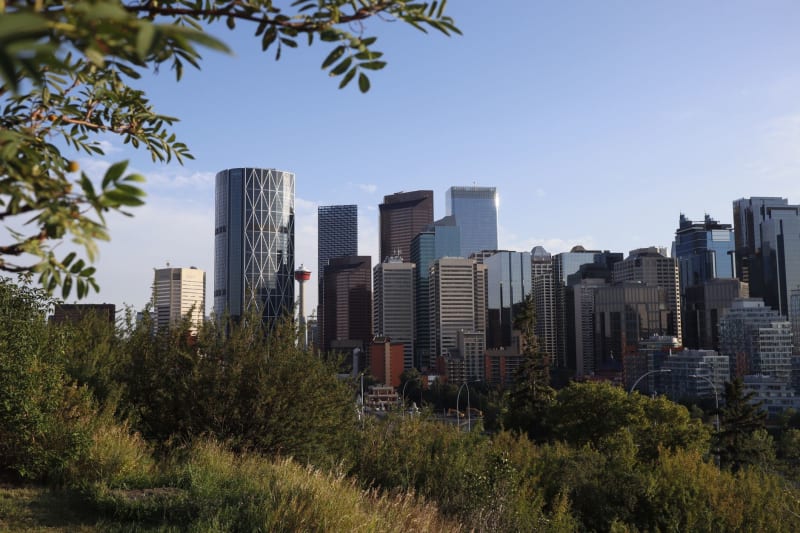 alberta
 Calgary
A proper western city that lives at the hinge between the Rockies and the prairies, and feeds itself on beef that makes everywhere else seem approximate.
Explore alberta
 Canmore
A former coal-mining town at the mouth of the Bow Valley that has quietly become the Rockies' most livable base camp, twenty minutes from Banff without Banff's crowds.
Explore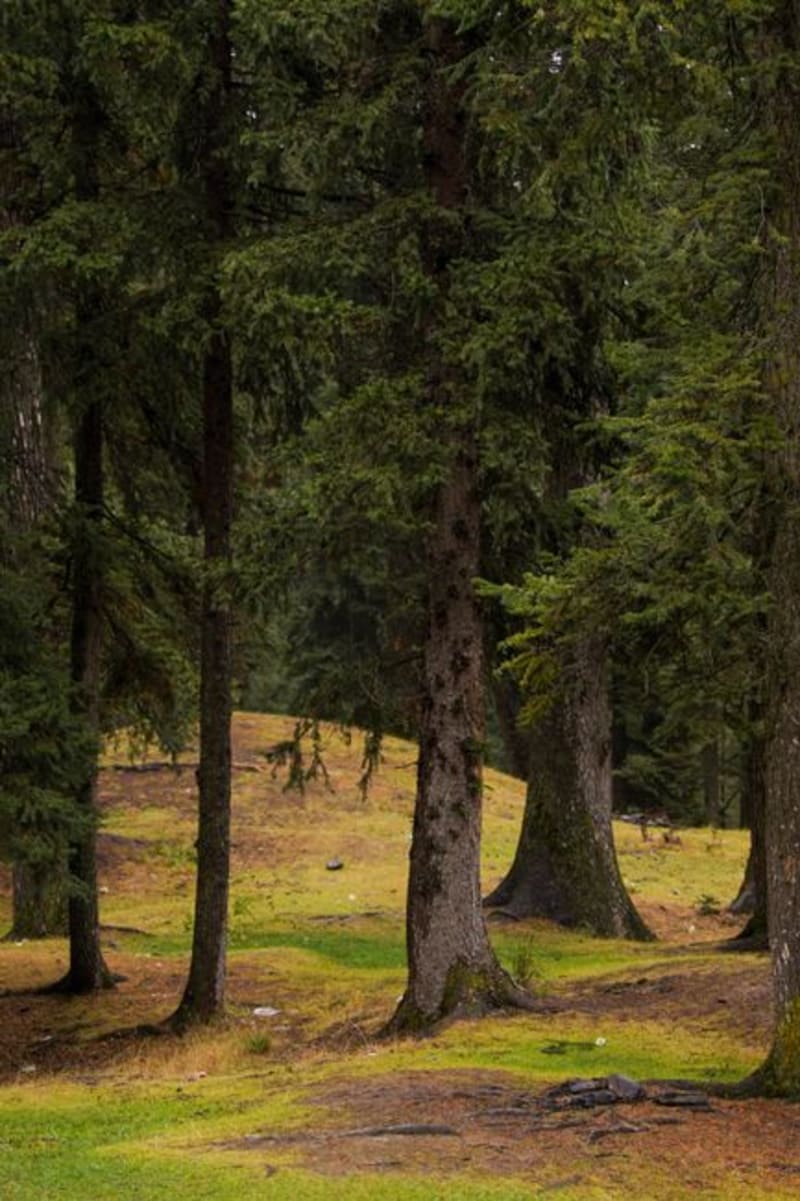 alberta
 Cypress Hills
A forested plateau rising eight hundred metres above the surrounding prairie on the Alberta-Saskatchewan border, cool and pine-scented in a province otherwise defined by open sky.
Explore