Medicine Hat
"Rudyard Kipling once said Medicine Hat had 'all hell for a basement.' He meant it as a compliment."
A prairie city built over one of the largest natural gas fields ever discovered in North America, tucked into a surprisingly deep river valley with hoodoos, a saddledome, and Rudyard Kipling's approval on record.
I went to Medicine Hat expecting a functional prairie stop between Calgary and the Saskatchewan border, and left having learned more about natural gas history than I’d anticipated absorbing on a road trip. The city sits directly over an enormous natural gas field discovered in 1904, so large and so shallow that for decades Medicine Hat residents heated their homes, lit their streets, and even lit an eternal municipal gas flame essentially for free, drawing directly off wells within city limits. Rudyard Kipling passed through in 1907, reportedly startled by how much gas was just sitting under the town, and is credited with calling the place a spot with “all hell for a basement” — meant, in context, as a genuine compliment about the natural wealth beneath the streets.
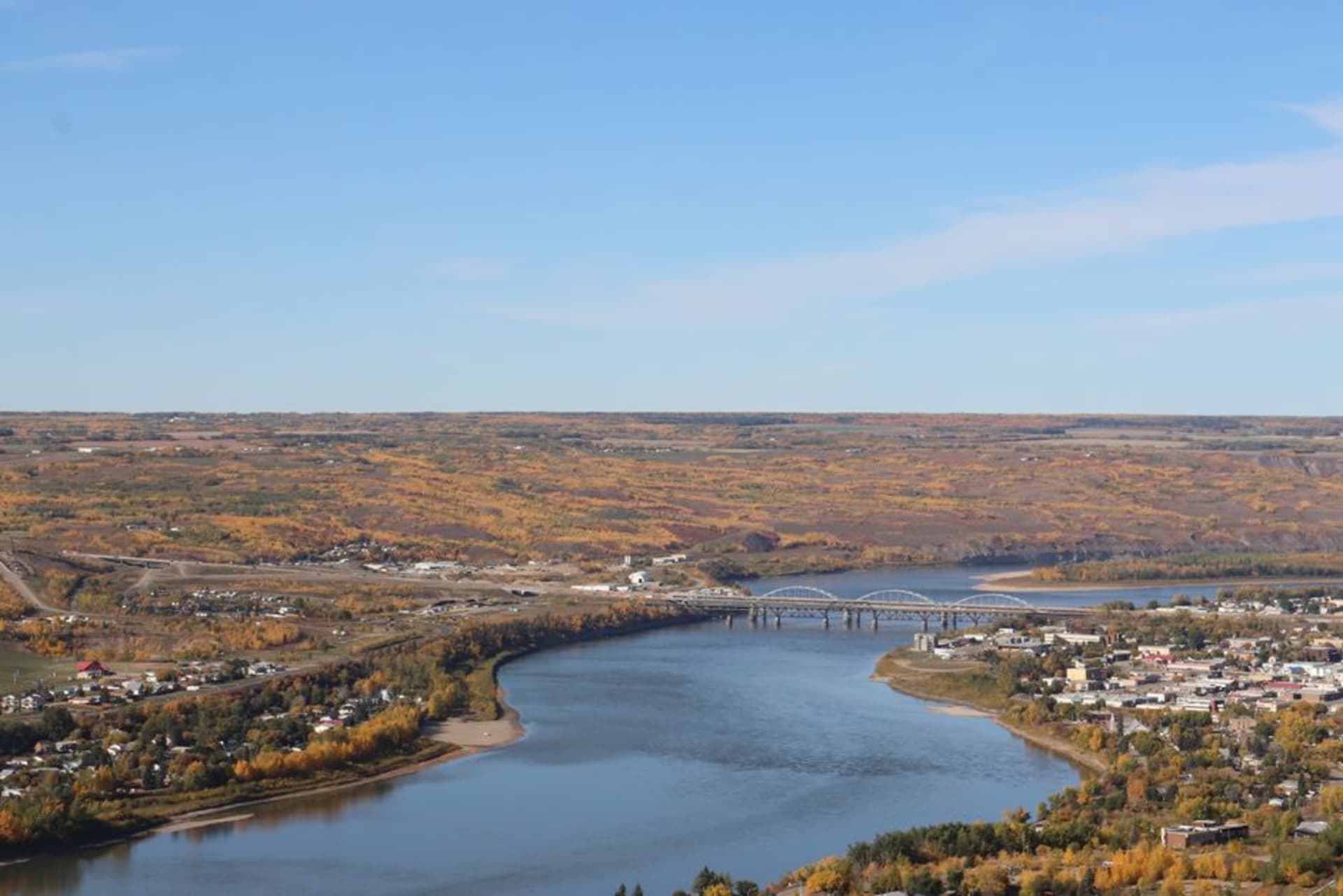
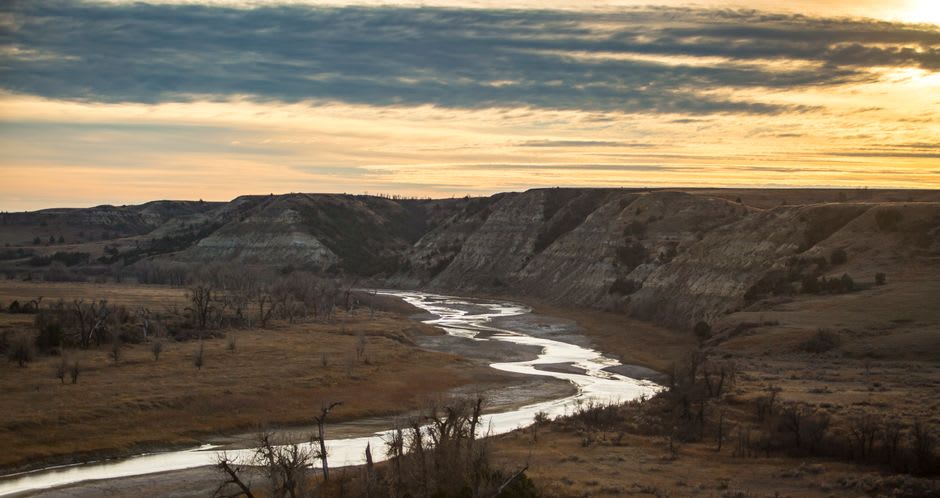
What surprised me more than the gas history, though, was the valley itself. Medicine Hat sits in a deep cut carved by the South Saskatchewan River, far more dramatic than the flat prairie surrounding it would suggest, with sandstone bluffs and hoodoos visible right within the city limits at spots like the Police Point Park natural area. I walked a riverside trail there in the late afternoon, cottonwoods along the water, deer moving through the underbrush, and the sense of being somewhere geologically interesting that almost nobody outside southern Alberta thinks to visit.
The city’s downtown still carries some genuinely handsome early-1900s brick architecture from the gas-boom years, and the Saamis Tepee — a towering steel structure built for the 1988 Calgary Olympics and relocated here afterward, now the world’s tallest tepee — stands over an ancient buffalo jump and archaeological site on the edge of town, an odd but oddly fitting pairing of modern civic monument and genuinely ancient ground. I stood underneath it at sunset with almost nobody else around, the prairie wind picking up exactly the way it does everywhere in this part of Alberta.
When to go: May through September for river valley trails and warm weather, though the city is a practical year-round stop if you’re driving the southern route between Calgary and Saskatchewan.