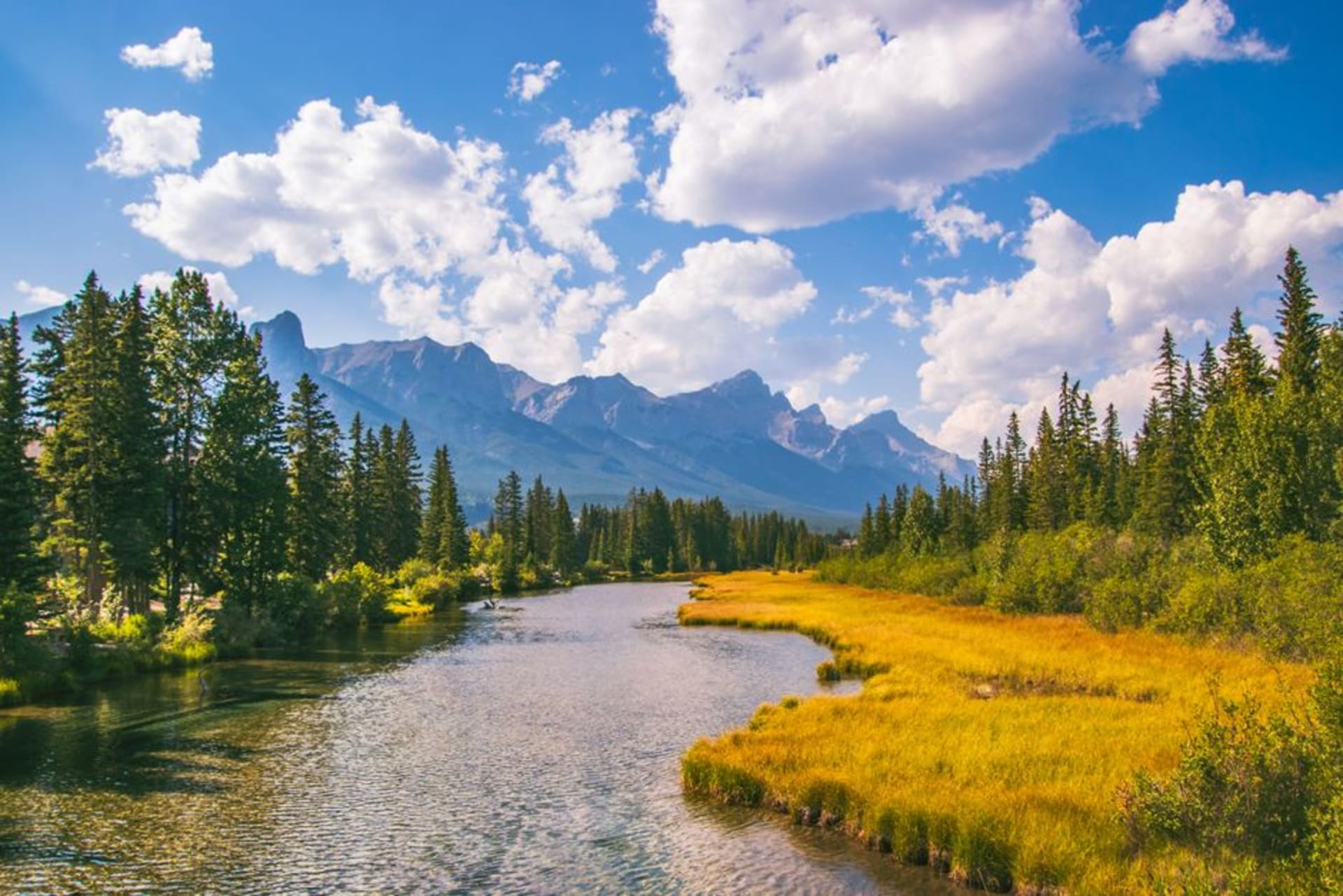
Kananaskis Country
"Kananaskis is what Banff would be if nobody had told anyone about it."
A sprawling network of provincial parks and wilderness west of Calgary, essentially a second, less-visited Rockies experience that most people driving straight to Banff never think to stop for.
Kananaskis Country came up in conversation with a Calgary local who seemed almost offended that I was planning to drive straight past it toward Banff without stopping. “You do know Kananaskis is right there,” she said, gesturing vaguely west, “and it’s basically the same mountains without the tour buses.” She wasn’t exaggerating by much. Kananaskis is a huge protected area of provincial parks and Crown land immediately west of Calgary, covering peaks, valleys, and river systems every bit as dramatic as anything inside Banff National Park’s boundary, but because it isn’t a national park it somehow escapes most people’s itineraries entirely.
I drove the Kananaskis Trail highway south from the Trans-Canada, and the transition from prairie to mountains happens almost as fast here as it does further north, the peaks of Mount Kidd and the Opal Range rising sharply on either side of the valley within twenty minutes of leaving the highway. The valley floor holds a chain of turquoise-tinted lakes and rivers fed by the same kind of glacial melt that colours Lake Louise, and I stopped at Barrier Lake and later at the Kananaskis Lakes further south, both nearly empty on a weekday afternoon in a way that would be unthinkable at their more famous cousins an hour north.
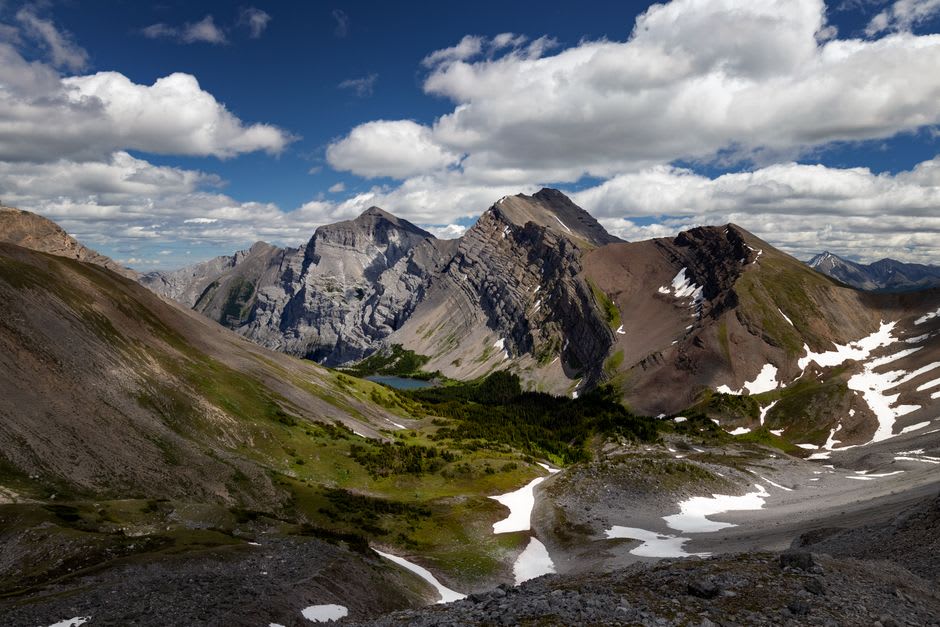
What Kananaskis has that Banff increasingly doesn’t is room to actually get away from other people. I hiked a section of the Ptarmigan Cirque trail near Highwood Pass — the highest paved through-road in Canada, closed in winter for wildlife protection — and had long stretches of alpine meadow entirely to myself, wildflowers thick underfoot and marmots whistling warnings from the talus slopes above. This is also, locals told me with some pride, where the G8 summit was held in 2002, chosen specifically because the terrain made unauthorized approach essentially impossible, which tells you something about how genuinely remote parts of this “backyard” wilderness still are.
When to go: July through September for the high alpine trails and for Highwood Pass, which is only open seasonally. Winter brings excellent, much quieter skiing at Nakiska and extensive Nordic trail networks, if you don’t mind the cold.