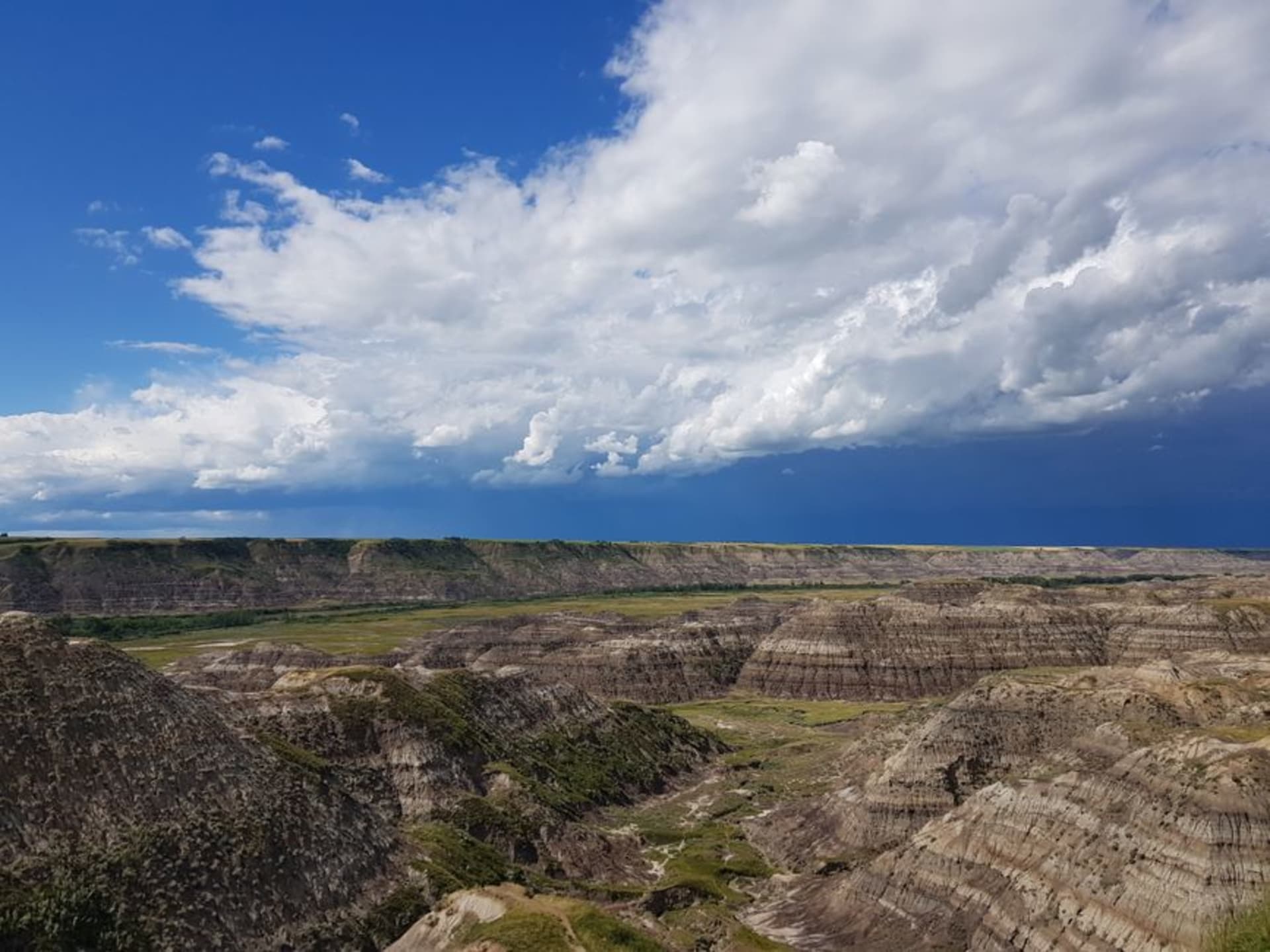
Head-Smashed-In Buffalo Jump
"Six thousand years of hunting compressed into ten metres of sandstone cliff."
A ten-metre sandstone cliff near Fort Macleod where Plains peoples drove bison to their deaths for nearly six thousand years, now a UNESCO site built directly into the escarpment.
The name alone got me off the highway. Head-Smashed-In Buffalo Jump sits on a low escarpment west of Fort Macleod, in country so unremarkable-looking from the road — rolling prairie, the odd fence line, a wind farm turning slowly on the horizon — that I nearly drove past the turnoff. What’s here is one of the oldest and best-preserved buffalo jump sites in the world, used by Plains peoples for close to six thousand years, where hunters drove bison herds at a dead run over the cliff edge to their deaths below, a technique that fed and clothed entire communities for generations before horses or guns ever arrived on the plains.
The interpretive centre is built directly into the cliff itself, seven storeys carved into the sandstone so that from the prairie above it barely registers as a building at all, which I found more moving than any amount of architectural statement-making would have been. Inside, Blackfoot interpreters walk you through the extraordinary logistics of the hunt — the drive lanes marked with cairns that stretched for kilometres across the prairie to funnel the herd, the runners who wore wolf or calf skins to guide the animals, the precise understanding of bison behaviour and wind direction required to pull it off without warning the herd. Archaeologists have found bone deposits at the base of the cliff more than ten metres deep in places, built up hunt after hunt across millennia.
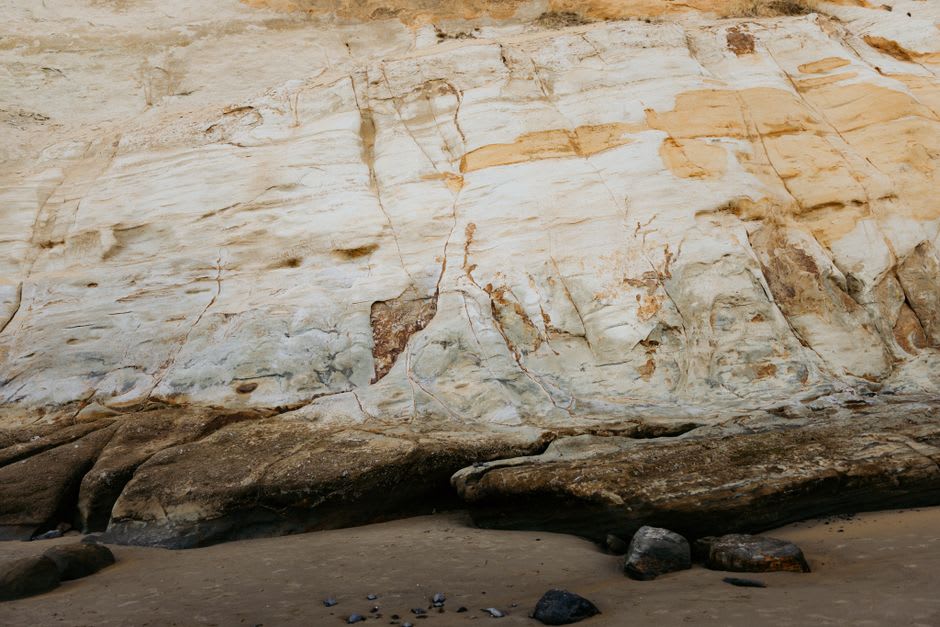
I walked the trail along the clifftop afterward, out to the actual jump point, and stood where hunters would have stood, looking out over the drive lanes toward the horizon where the herds would first have appeared. It’s a stark, windy, beautiful piece of prairie, and knowing what happened here for sixty centuries changes the silence of it completely. There’s a small buffalo paddock near the centre too, and watching a handful of bison graze placidly a short walk from the cliff that ended so many of their ancestors gave the whole visit a weight I hadn’t expected from what I’d assumed would be a quick roadside stop.
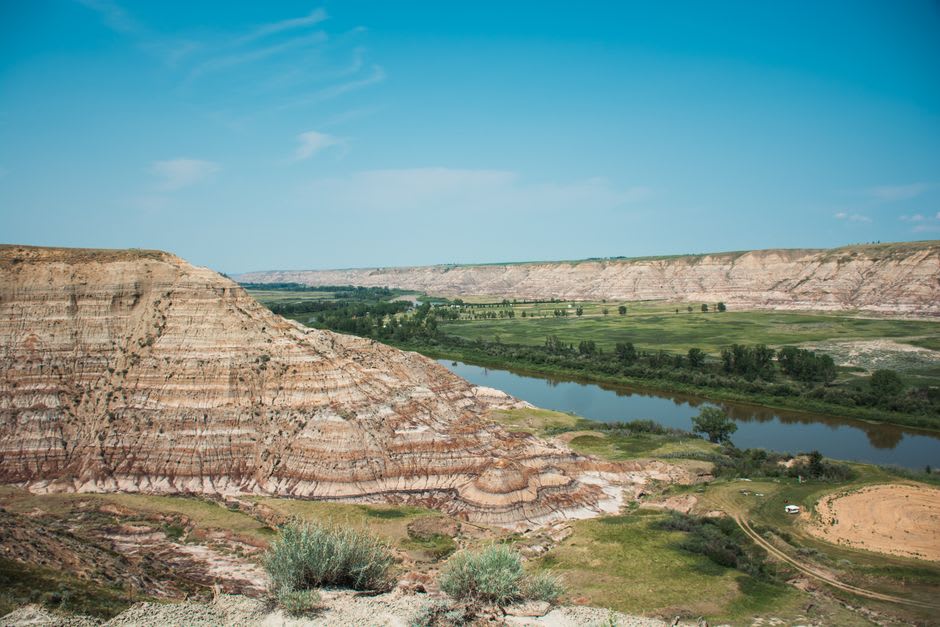
When to go: May through September for full access to the interpretive centre, outdoor trails, and seasonal cultural demonstrations, which are worth timing your visit around if the schedule allows.