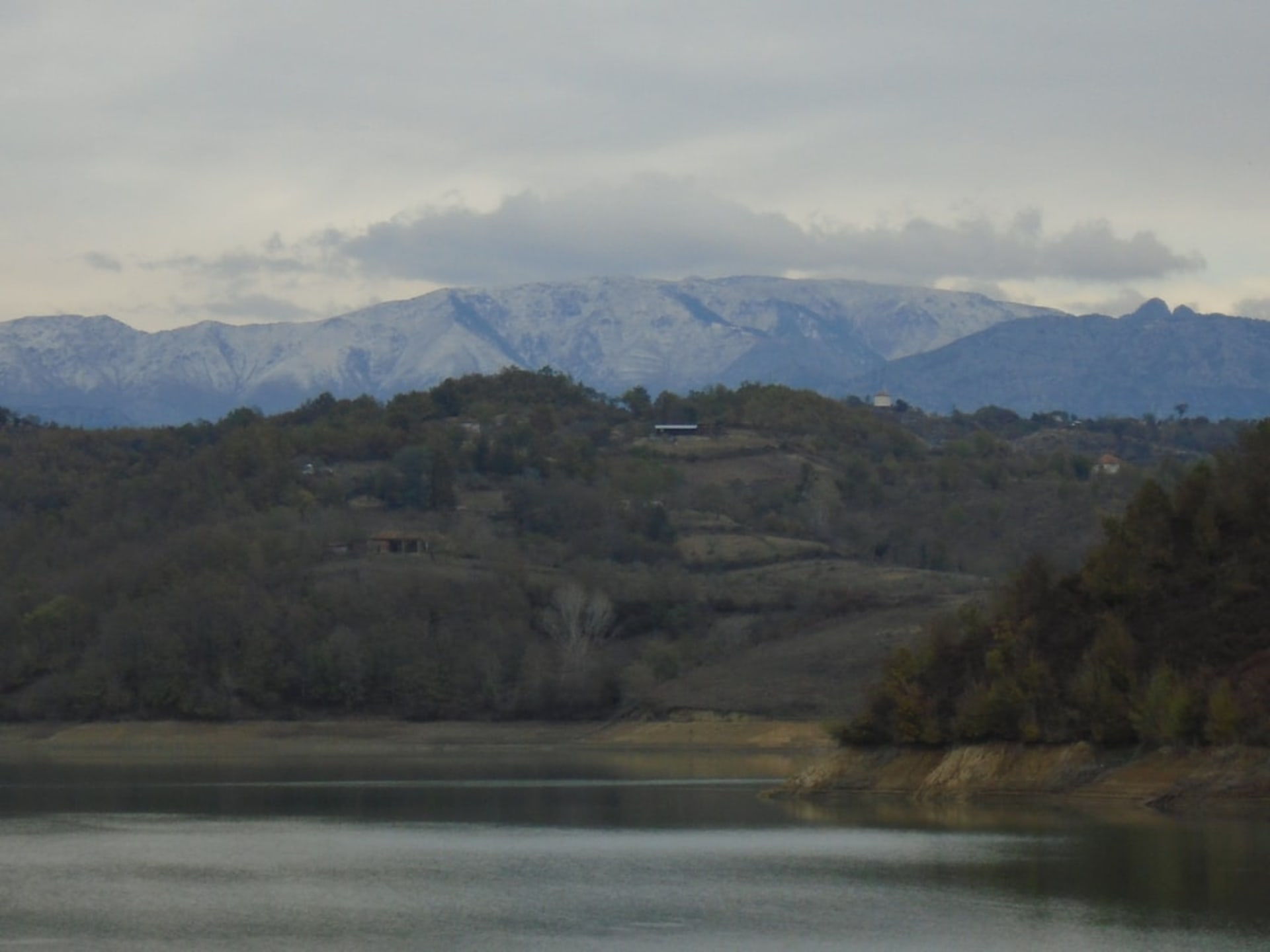
Krujë
"The town where one man held off the Ottoman Empire, and everyone still says his name like it's yesterday."
The mountain fortress town of Skanderbeg, Albania's national hero, with a bazaar still selling the same rugs and copperware it has for centuries.
Krujë is a day trip from Tirana that every Albanian I met insisted I make, and within about ten minutes of arriving I understood the insistence: this is the town of Skanderbeg, the fifteenth-century nobleman who held the Ottoman Empire at bay from this exact hilltop for more than two decades, and whose name is still invoked here with the kind of reverence usually reserved for saints. The castle occupies the crag above town, and from its ramparts the Adriatic coastal plain spreads out flat and hazy far below, a genuinely commanding position that makes the historical stalemate suddenly make sense.
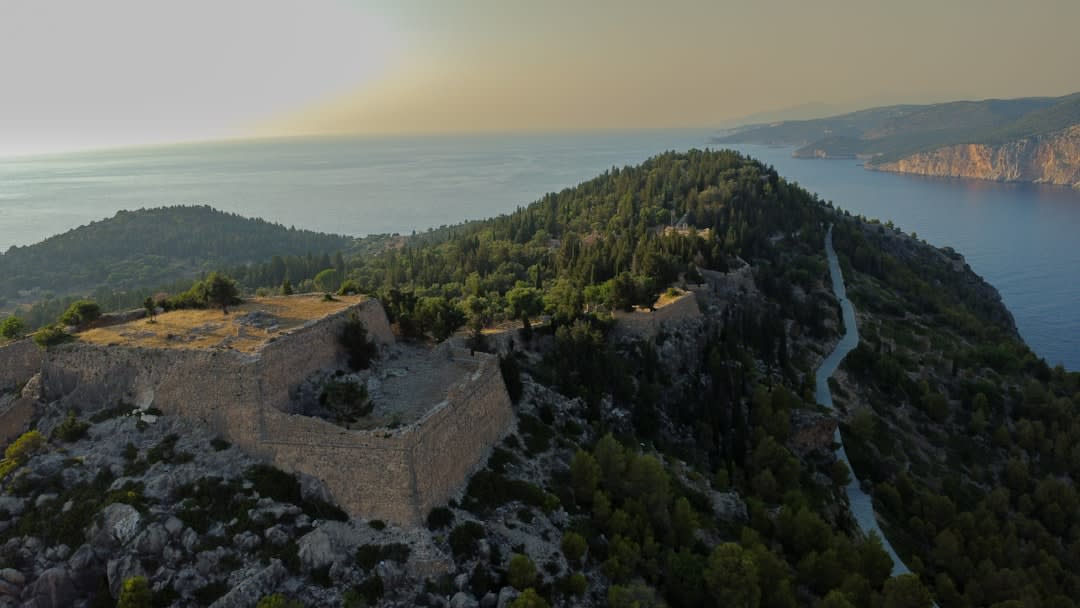
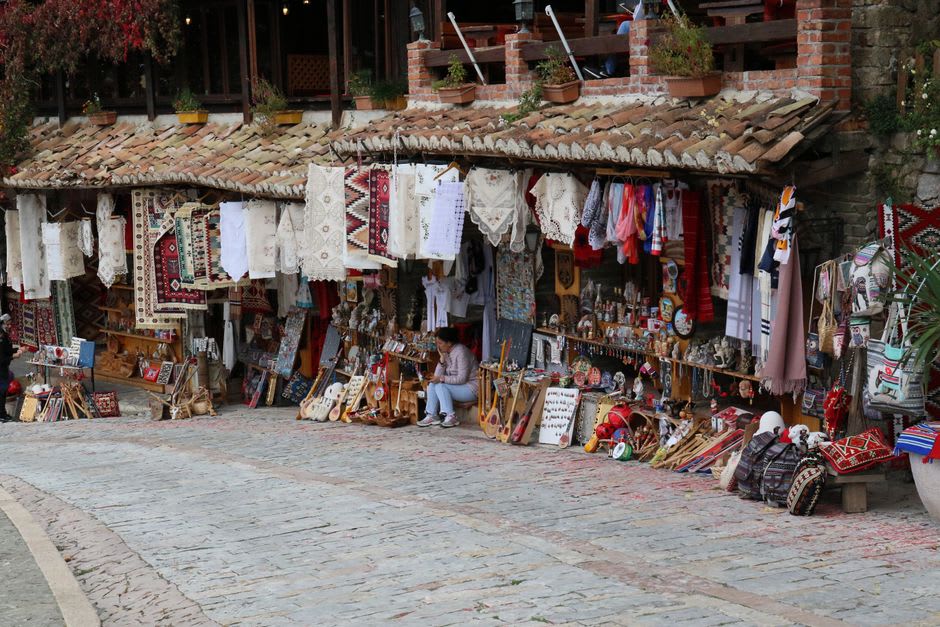
Inside the castle grounds sits the Skanderbeg Museum, an angular concrete building from the communist era that from the outside looks almost brutalist and inside is dense with reproduction armor, swords, and maps tracing his campaigns — the kind of nationalist shrine that tells you as much about how Albania sees itself as it does about the fifteenth century. But the real pleasure of Krujë is the Old Bazaar just below the castle gate: a single cobbled street lined with wooden stalls that have apparently sold the same goods for generations — hand-loomed rugs, hammered copper coffee pots, wool socks, antique Ottoman coins of questionable authenticity. A vendor named Besnik talked me through the difference between old and new copperware for a solid fifteen minutes before I bought a small coffee pot I didn’t strictly need.
Above the bazaar, the small Ethnographic Museum occupies a restored Ottoman house, its rooms arranged as they’d have been lived in, complete with a divan room where I could imagine an entire evening disappearing over coffee and conversation.
When to go: Any morning works well as a half-day trip from Tirana, but arrive before the tour buses around 11am if you want the bazaar and castle without the crowds.