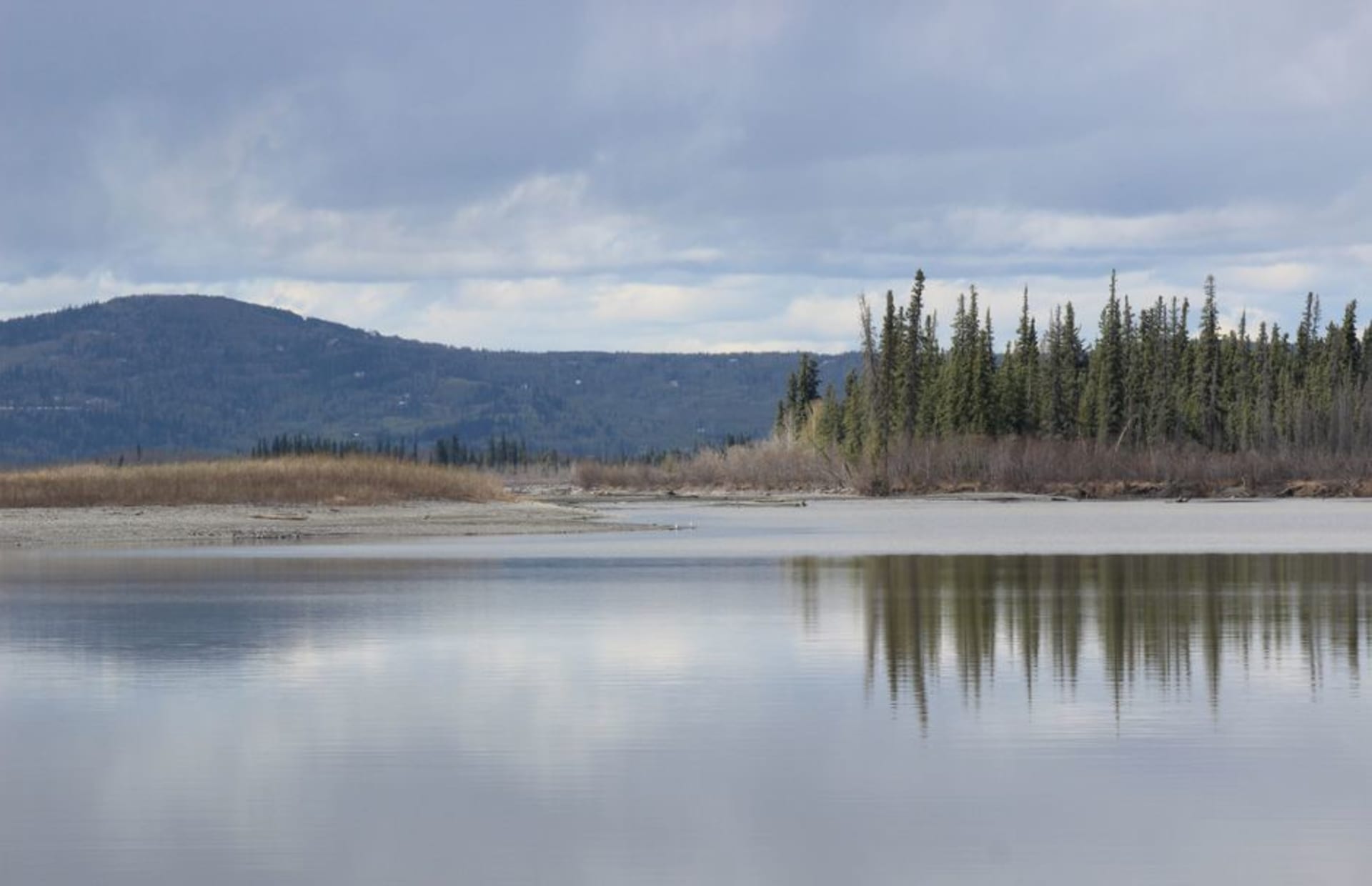
The northernmost community in the United States, an Iñupiat whaling town on the Arctic Ocean where the sun disappears entirely for two months each winter.
There’s a moment on the flight into Utqiagvik, formerly known as Barrow, when the tundra below stops having any trees at all, then any real vegetation beyond low tussocks, and then simply meets the Arctic Ocean in a flat gray line with no drama, no cliffs, nothing — just land becoming ice-choked water because that’s what the geography does at 71 degrees north. I’d read about the northernmost point in the US beforehand and still wasn’t prepared for how genuinely different the light and the emptiness felt on the ground.
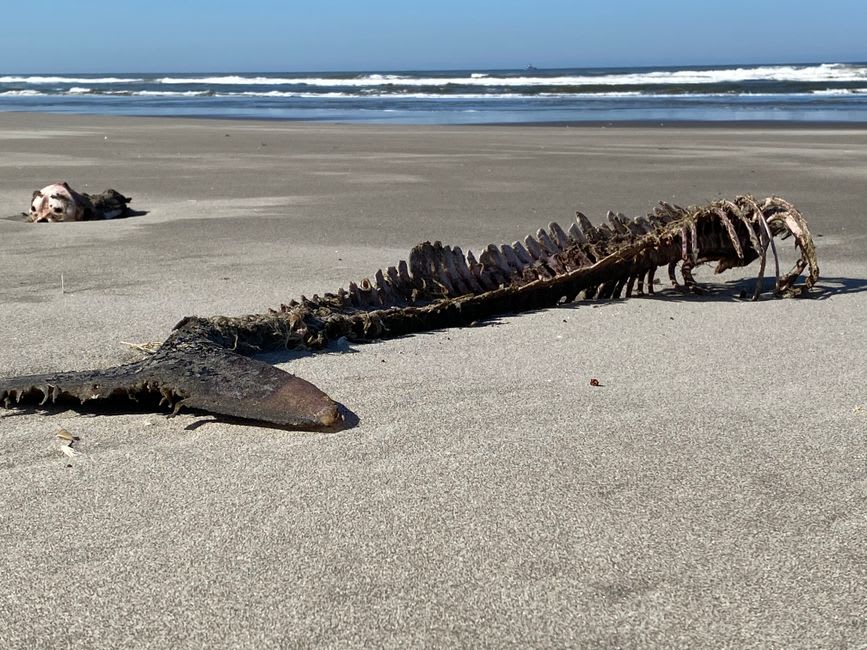
Utqiagvik is, first and foremost, an Iñupiat community, and whaling here isn’t a historical curiosity — it’s an ongoing subsistence practice that structures much of the year, with spring and fall bowhead whale hunts still conducted by traditional crews using skin-covered umiaks alongside modern boats, followed by community-wide distribution of the harvest according to customs that predate any outside government by many centuries. I was fortunate to be invited to a small community gathering during my visit, and the generosity and seriousness with which the whale was shared told me more about the place than any museum could have.
The town itself is practical rather than picturesque — gravel streets, houses built on pilings above permafrost, snowmobiles parked outside nearly every building even in summer — but the setting does something no architecture could. I walked out to Point Barrow, the actual northernmost tip of land in the US, past whale bone arches and a scattering of Iñupiat and old military artifacts, with pack ice visible offshore even in July. In winter, this is one of the very few places on Earth where the sun sets in late November and doesn’t rise again until late January, a stretch of polar night that residents talk about with a mixture of dread and dark humor.
When to go: Late June through August for accessible weather, midnight sun, and the best chance of arranging a respectful visit around whaling season traditions. Late November through January if you specifically want to experience polar night, though logistics and cold are serious considerations.