Sitka
"An onion dome above a Southeast Alaska harbour — the collision of histories here is so complete it just looks like the present."
I came into Sitka by floatplane from Juneau, low over Sitka Sound in the early morning, and the first thing I saw was the dome of St. Michael’s Cathedral rising above the waterfront against a backdrop of islands and open ocean. The cathedral is Russian Orthodox, built in 1848, and it sits in the middle of Lincoln Street the way a very old argument sits in a conversation — occupying the center, forcing everything else to rearrange around it. Sitka was the capital of Russian America, the place where Alexander Baranov ran the Russian-American Company’s fur operations for decades, and that history is still physically present in a way that doesn’t feel like a theme park. It just feels like a layered place.

The Tlingit history is older and deeper. The Sitka National Historical Park, a short walk from downtown, sits at the point where the Battle of Sitka was fought in 1804 — the last major Tlingit resistance to Russian expansion. Totem poles stand along a forest trail, old and weathered and several carved in the park’s workshop, where Tlingit artists still work. The combination of the totems and the dense spruce forest and the sound of the ocean is one of the more moving things Southeast Alaska offers — not dramatic, not loud, but the kind of quiet that comes from a place that holds a lot. I spent two hours on the trail without meeting another person on a Tuesday morning and it was exactly right.
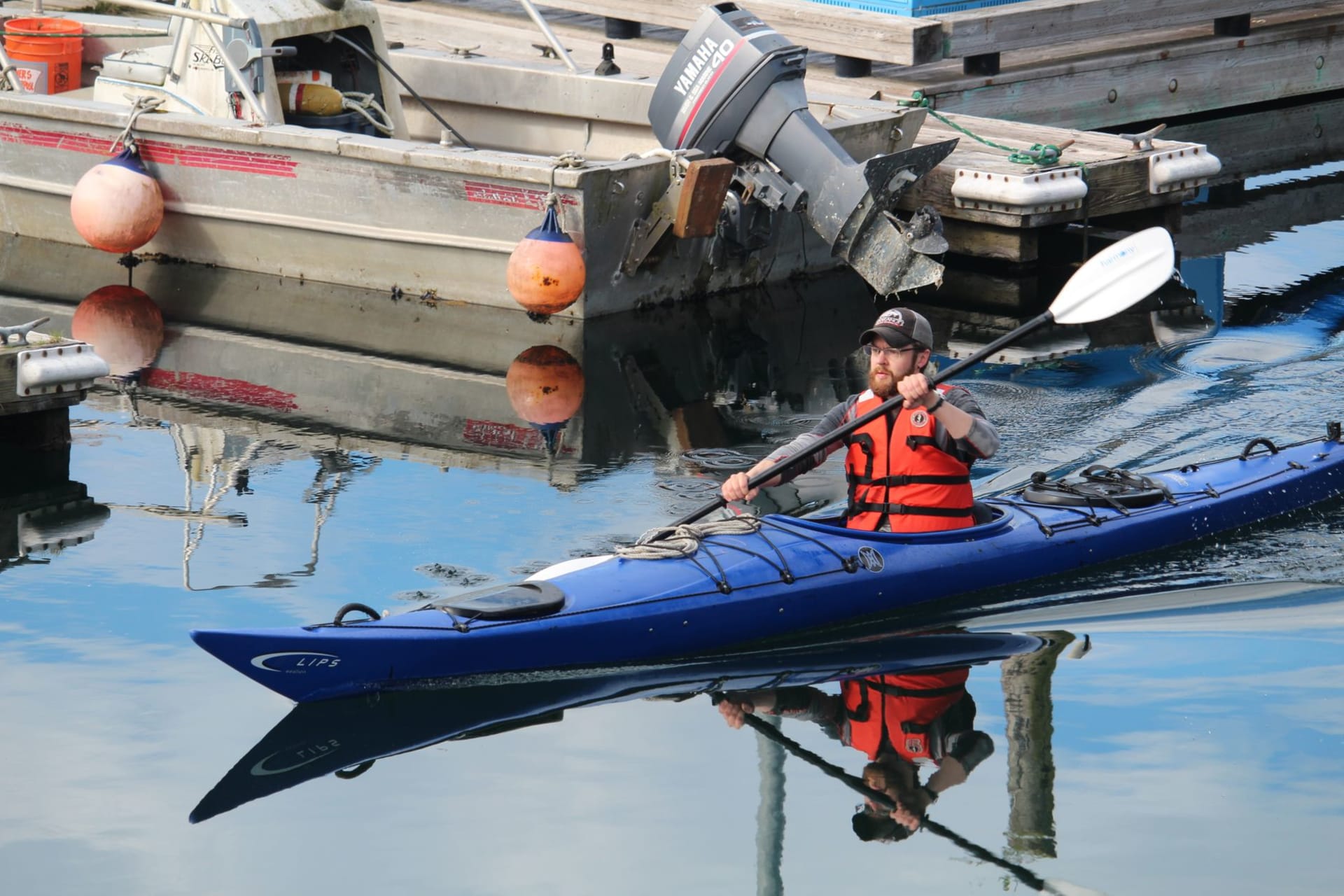
The sea otters are an almost comical bonus. Sitka Sound is full of them — floating on their backs, cracking urchins on their chests, grooming themselves with the thoroughness of cats — and they drift in and out of the small boat harbour with the impunity of animals that have decided humans are acceptable furniture. I watched three of them for twenty minutes from the dock, and at no point did any of them acknowledge my existence. There’s a dignity in that.

The food in Sitka runs toward the practical and the genuine. There’s a bakery that does a dense, dark rye bread that I bought a loaf of and ate standing over the harbour. The local fishery is Dungeness crab and salmon and halibut, and several of the smaller restaurants treat these with appropriate seriousness. I had a bowl of salmon chowder — thick, cream-based, with chunks of wild king salmon — at a place with four tables and a view of the sound, and the woman who made it had clearly been making it for decades.
When to go: May through September is accessible and green. June and July offer the longest days and the best conditions for kayaking in the sound. The Sitka Summer Music Festival in June brings serious classical musicians to what feels like an improbable location, and the juxtaposition works. September is quieter and often clearer than summer.