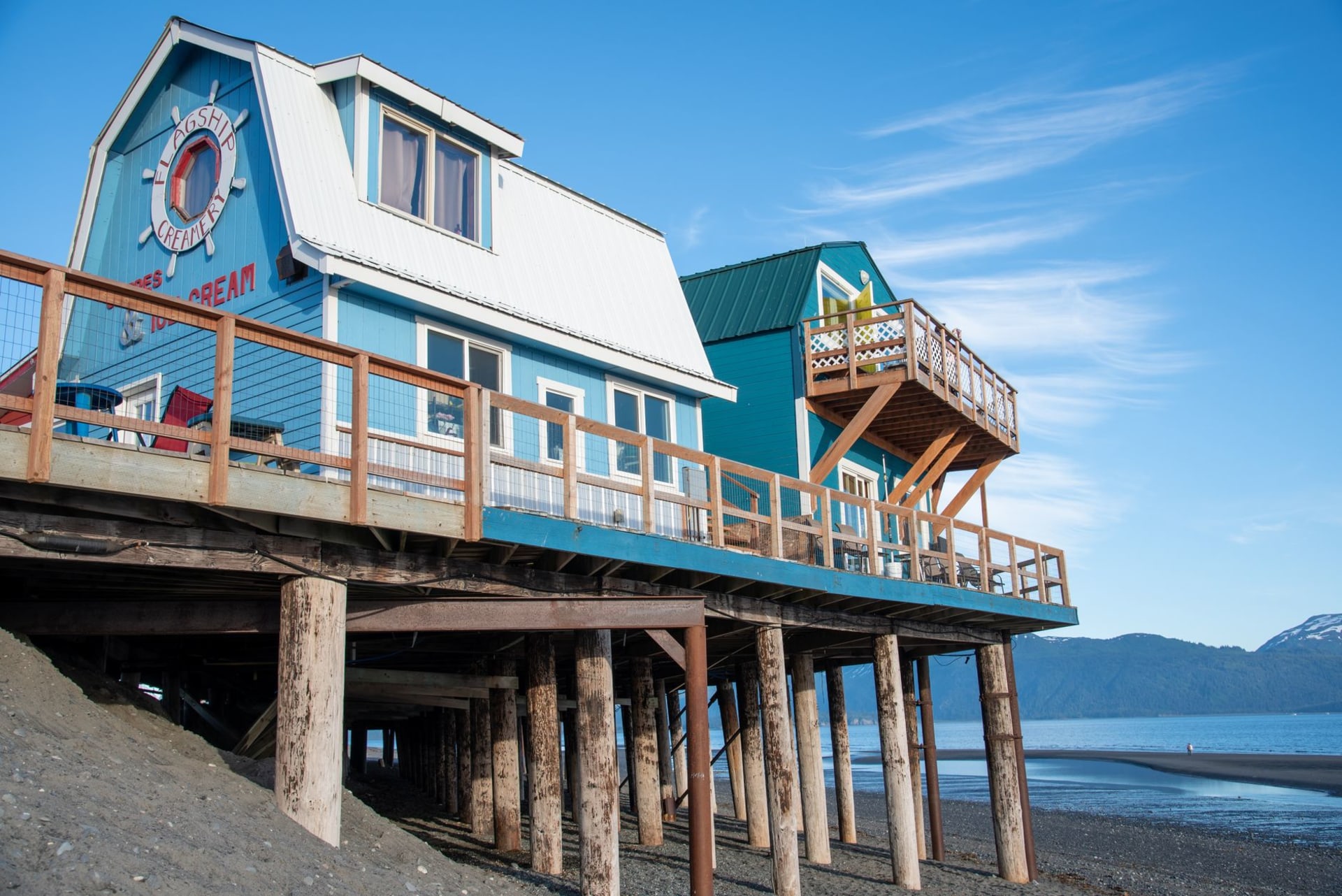
Kodiak Island
"On Kodiak, the bears don't interrupt the wilderness — they are the wilderness, and you're the interruption."
The flight from Anchorage drops into Kodiak through cloud, usually, because Kodiak is the kind of island that keeps its weather close. I arrived on a morning when the fog was sitting at about fifty metres above the water and the pilot found the runway by what felt like familiarity rather than visibility. On the ground the air smelled of kelp and diesel and the particular salt-cold of the Gulf of Alaska, and the town of Kodiak — small, waterfront, purposeful — was going about its morning with the indifference to weather of a place that has stopped engaging with it as a variable. The harbor was full of commercial fishing boats, serious vessels with large winches and working decks, and there was already activity on the docks at seven in the morning.
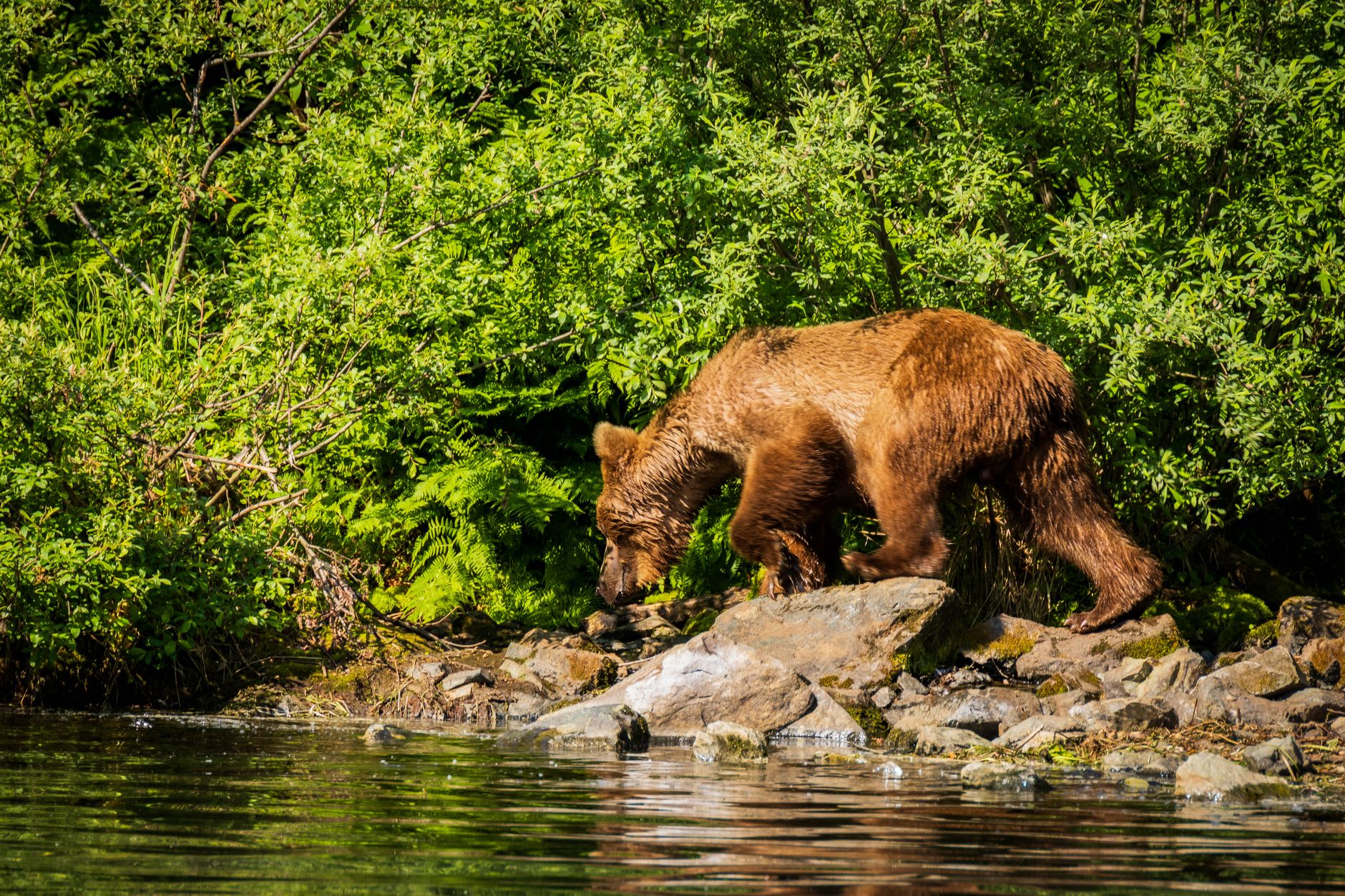
The bears. It is difficult to discuss Kodiak without discussing the bears, not because they’re the only thing here but because they represent a kind of scale that recalibrates everything. Kodiak brown bears are the largest terrestrial carnivores in the world — males can weigh over 600 kilograms — and the island has roughly 3,500 of them, one for roughly every five square kilometres of land. I went into the Kodiak National Wildlife Refuge on a float trip in late July, when the salmon were running, and saw eleven bears in a single day. Not glimpses — full sightings, bears in the river, bears on the banks, a sow with three cubs crossing a gravel bar fifty metres from the raft. The guide talked about individual bears by their markings the way a farmer talks about cattle, and that familiarity was more impressive to me than the bears themselves.
The salmon culture on Kodiak is not metaphorical. This is one of the most productive fisheries in the world, and the town’s identity is built entirely around it. I toured a processing facility — an experience I recommend with some caveats about the smell — and watched the industrial reality of what Alaska salmon means at scale: tons of fish moving through in a single shift, workers in waders and gloves, conveyor belts, cold rooms. Then I ate king salmon grilled at a small place on the waterfront — so fresh it didn’t taste like fish in the way you expect, it tasted like something more specific, ocean-flavored and clean — and the gap between the industrial process and the thing on the plate was one of the more instructive food experiences I’ve had.
The town has a Russian Orthodox church — Holy Resurrection Cathedral — that’s been here since 1794, making it one of the oldest Russian Orthodox communities in North America. The Baranov Museum, housed in one of the oldest Russian buildings in the Western Hemisphere, is small and good, with enough context to make the island’s layered history legible: Alutiiq people for thousands of years, then Russians, then American territory, then the 1964 earthquake that destroyed much of the waterfront and was rebuilt with the pragmatism of a people used to starting over.
When to go: July and August for the salmon runs and the best bear viewing. The weather is genuinely unpredictable year-round — plan for wet and bring gear rather than expectations. Bear viewing in the refuge requires a permit and either a guided float or a fly-out, both bookable through licensed outfitters in town.