
Seglinge
"Thirty-some people live here, and every one of them, it seems, owns a boat."
A small, sparsely populated island in the southern archipelago, threaded onto the free cable ferry chain between Kumlinge and Kökar, kept alive by a handful of farming and fishing families.

Seglinge is one of those islands that exists on the map mostly as a hyphen between two better-known names — it’s a stop on the ferry chain linking Kumlinge and Kökar, the kind of place you cross rather than visit, and I only stopped because my ferry connection required a two-hour wait and I decided to explore rather than sit at the landing reading. That accidental layover turned into one of the better afternoons of the whole trip.
The island has a permanent population that hovers somewhere around thirty, most of them connected to farming, fishing, or both, and the sense of scale is almost disorienting after even a modest place like Kumlinge — a single gravel road runs the length of the island, past maybe a dozen farmhouses, a tiny chapel, and fields that are clearly worked by people who know exactly how much labor thirty residents can sustain and no more. I walked rather than cycled, since I didn’t have a bike with me, and covered the whole island’s road network in under two hours without hurrying.

What struck me most was the harbor — a modest collection of boathouses and jetties that seemed wildly out of proportion to the island’s population, until a farmer repairing a net explained, without my having to ask, that virtually every household here keeps at least one boat, because a boat on Seglinge is not a leisure object but the equivalent of a car in a mainland village: how you get to the shop, to church, to a neighboring island for a card game. He’d been born on Seglinge, left for work on the mainland in his twenties, and come back permanently once his parents needed help with the farm — a trajectory he described as completely unremarkable, which on these islands, I was starting to understand, it genuinely is.
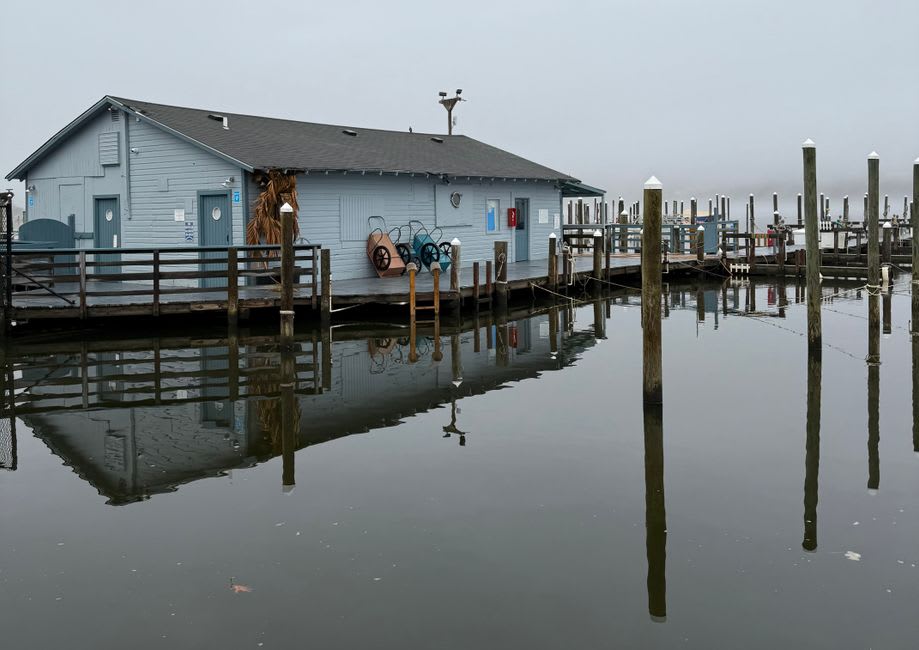
I caught my connecting ferry two hours later with something like reluctance, which surprised me, given that I’d arrived expecting to be bored for exactly that long.
When to go: Summer, when the cable ferry chain between Kumlinge and Kökar runs its fullest schedule and a layover like mine is easiest to plan around. There’s no accommodation to speak of, so treat Seglinge as a stopover, not a base.
Keep exploring
More from Åland Archipelago
 aland-archipelago
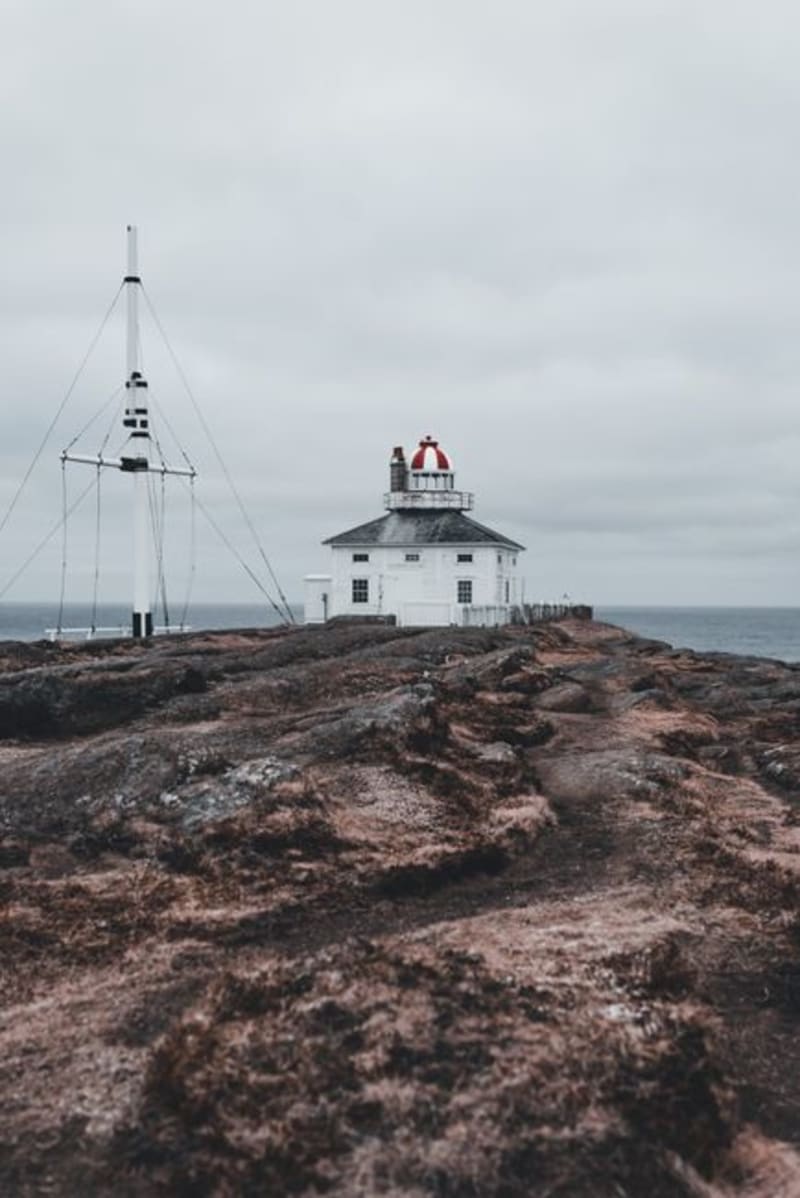
Signilskär
A wind-scoured lighthouse island off Eckerö where a nineteenth-century pilot station and a working bird observatory sit at the very edge of the archipelago's open sea.
Explore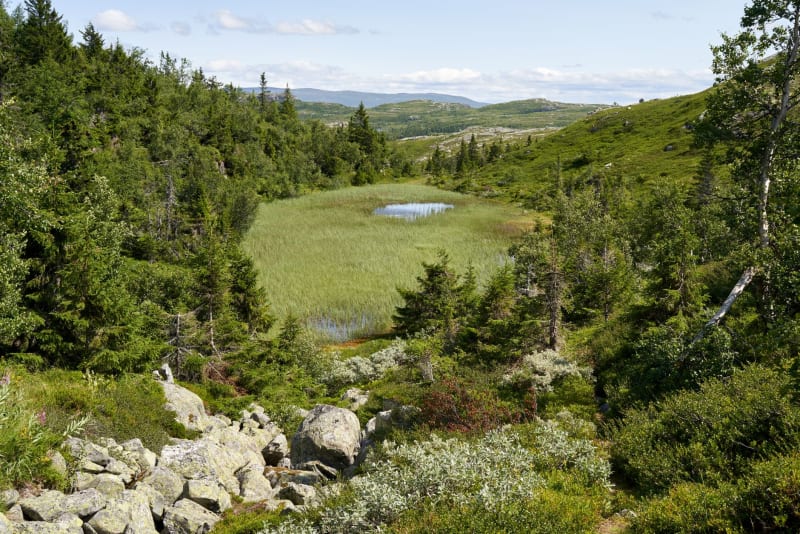 aland-archipelago
Sottunga
The smallest municipality in the Nordic countries — around a hundred people, one shop, one church, and more granite than anyone will ever need.
Explore aland-archipelago
Vårdö
The easternmost point you can reach by bridge and road from the Åland mainland, a quiet farming and fishing municipality that serves as the gateway to the outer ferry chain.
Explore aland-archipelago
Bomarsund
The shattered ramparts of a Russian fortress sprawl across a quiet Sund shoreline, a Crimean War ruin slowly being reclaimed by birch and sea wind.
Explore aland-archipelago
Brändö
The far northeastern fringe of the archipelago, reachable only by ferry chain, where granite and sea arrive in equal measure and the boating culture is the only real language.
Explore aland-archipelago
Eckerö
The westernmost point of Åland and the entire European Union, where an imperial post house stands in absurd grandeur against an empty sea.
Explore