Saltvik
"Every low green mound in this field used to be somebody's entire life."
The historical heartland of Åland, where Iron Age burial mounds, a Viking-era royal manor site, and the archipelago's largest medieval church sit scattered across quiet farmland.
I came to Saltvik chasing a rumor, more or less — a friend in Mariehamn had mentioned, over dinner, that Åland has its own cluster of Viking-age burial mounds that almost nobody outside Scandinavian archaeology circles has heard of, and that they sit unmarked and mostly unvisited in a field near a place called Saltvik. She was right on all counts. I cycled out along quiet farm roads past barley fields turning gold, and found the mounds at Bjärgvattnet-Ihamn cluster with essentially no interpretive signage — just twenty or so grass-covered hummocks in a pasture, ranging from knee height to well over head height, dating from roughly the sixth to tenth centuries.
Standing in that field, it took real effort to reconstruct what I was looking at: this was, by most archaeological accounts, one of the more important power centers of the Baltic during the Iron Age and Viking period, a place from which Ålandic chieftains controlled trade routes running between Sweden and what would become Russia. There’s a persistent, disputed local tradition that the semi-legendary Saint Olof of Norway was born near here, at Borgboda, before ending up on the Norwegian throne — historians mostly dismiss it, but the story has enough traction locally that the site still carries the name.
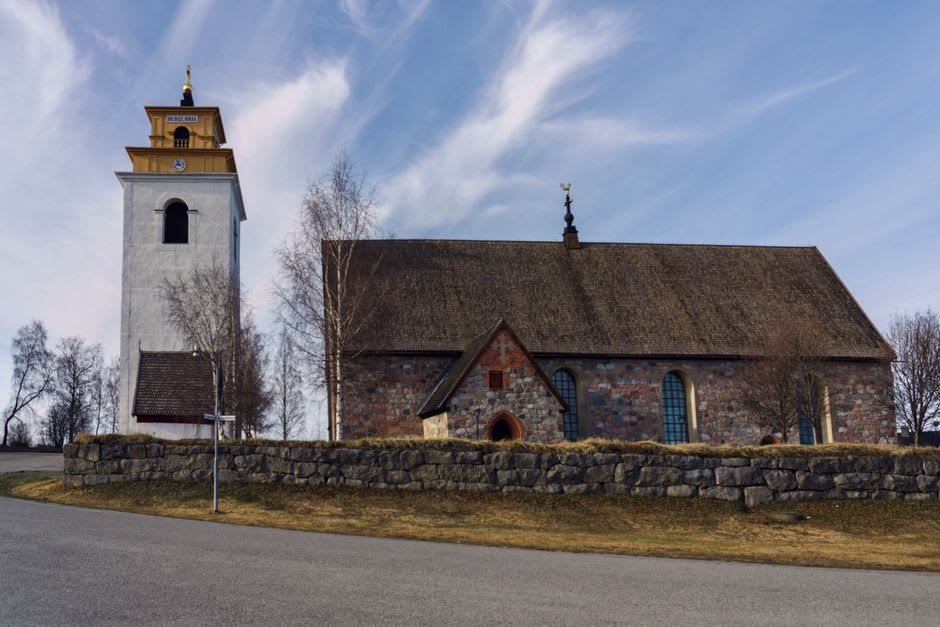
Saltvik’s church, dedicated to Saint Mary, is the largest medieval church in Åland and sits on a rise that was clearly chosen for visibility from the sea and from the surrounding farmland alike — a statement of permanence built from grey fieldstone, with parts dating to the thirteenth century. Inside, the vaulted ceiling carries faded medieval paintings similar in age and style to those I later saw at Kumlinge, though less complete. I lit a candle in the empty nave, more out of habit from years of wandering into European churches than any particular devotion, and sat for a while in the cool silence enjoying the specific, slightly church-mildew smell that seems identical in every stone building over five hundred years old, on every continent.
The nearby Kastelholm-Bomarsund corridor gets the tour buses; Saltvik gets almost nobody, and the contrast between an actively marketed historical site and this quiet field of unmarked mounds says something honest about how selectively places choose to remember and package their own past.
When to go: May through September for easy cycling on dry farm roads and comfortable walking around the mounds, which have no facilities and no shade. Go on a weekday if you want the mounds entirely to yourself, which you likely will regardless.
Keep exploring
More from Åland Archipelago
 aland-archipelago
 Seglinge
A small, sparsely populated island in the southern archipelago, threaded onto the free cable ferry chain between Kumlinge and Kökar, kept alive by a handful of farming and fishing families.
Explore aland-archipelago
 Signilskär
A wind-scoured lighthouse island off Eckerö where a nineteenth-century pilot station and a working bird observatory sit at the very edge of the archipelago's open sea.
Explore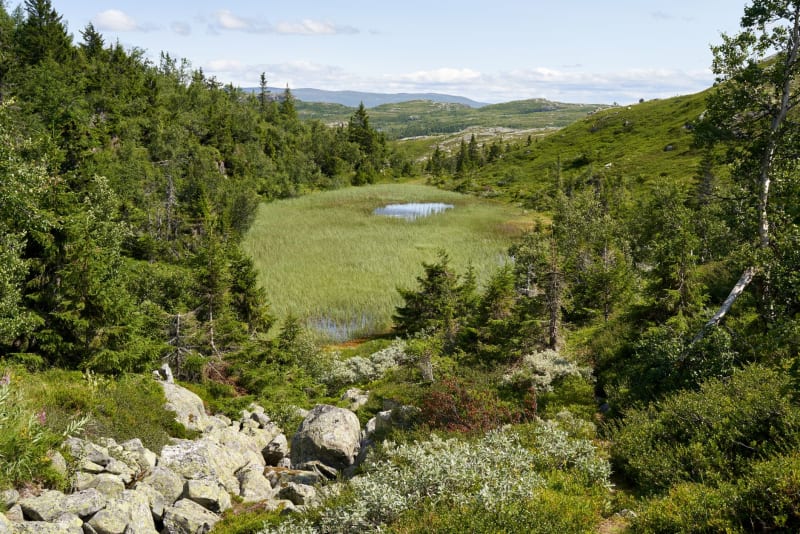 aland-archipelago
 Sottunga
The smallest municipality in the Nordic countries — around a hundred people, one shop, one church, and more granite than anyone will ever need.
Explore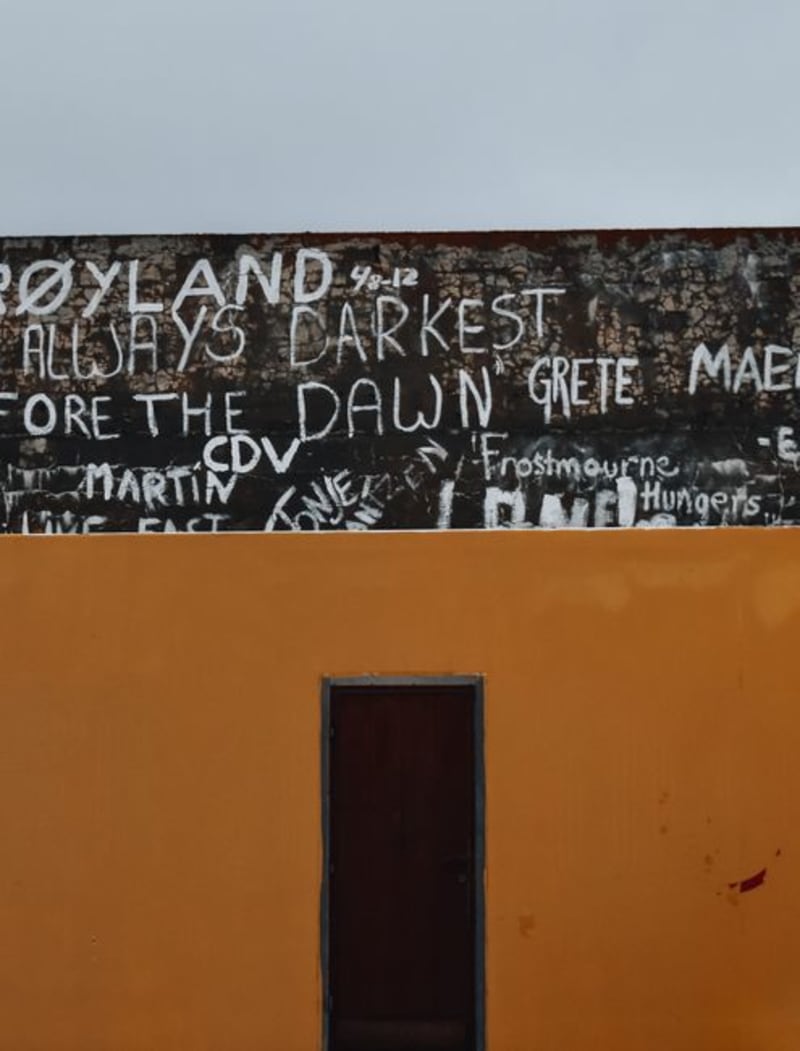 aland-archipelago
 Vårdö
The easternmost point you can reach by bridge and road from the Åland mainland, a quiet farming and fishing municipality that serves as the gateway to the outer ferry chain.
Explore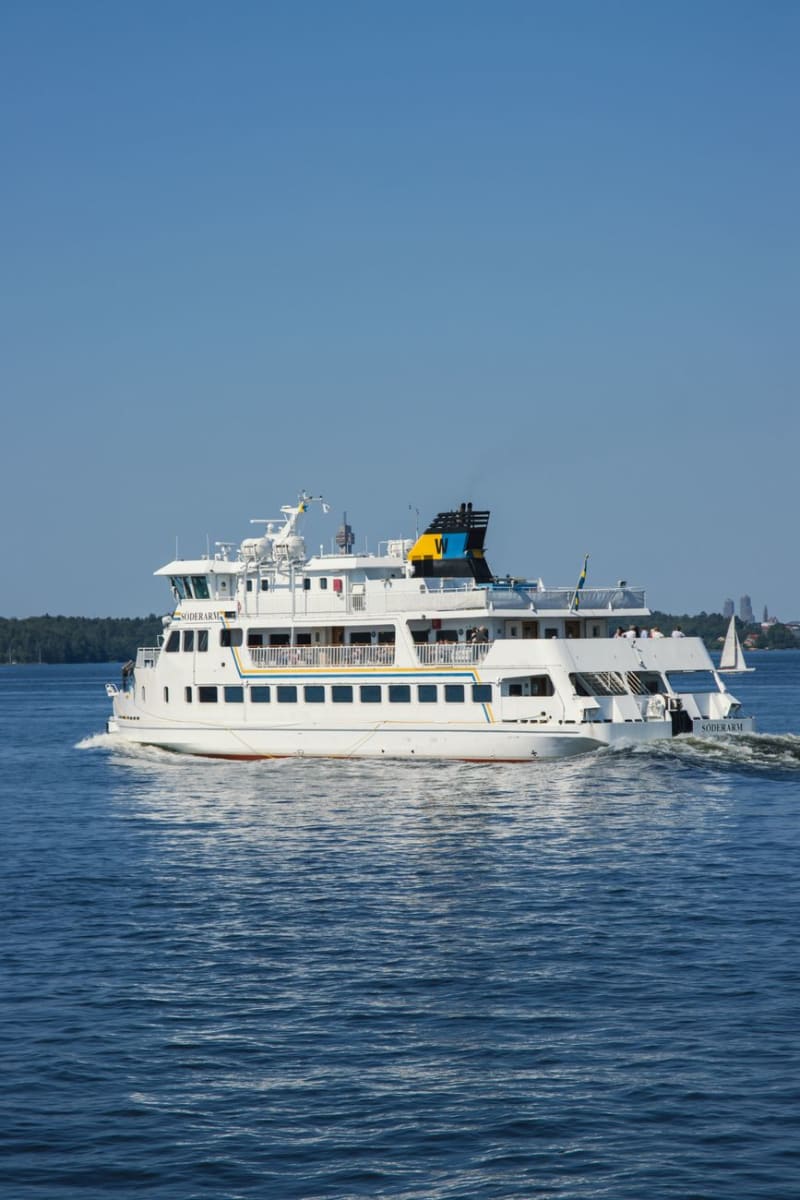 aland-archipelago
 Bomarsund
The shattered ramparts of a Russian fortress sprawl across a quiet Sund shoreline, a Crimean War ruin slowly being reclaimed by birch and sea wind.
Explore aland-archipelago
 Brändö
The far northeastern fringe of the archipelago, reachable only by ferry chain, where granite and sea arrive in equal measure and the boating culture is the only real language.
Explore