Ramsholmen
"This is what the whole archipelago looked like before the pines won."
A protected oak and hazel woodland on the edge of Jomala, minutes from Mariehamn, where a short waymarked trail preserves a fragment of the forest Åland looked like before the pines took over.
Ramsholmen sits close enough to Mariehamn that I almost didn’t bother — a nature reserve a short bike ride from the capital’s outer edge felt, on paper, like the kind of thing a city puts a nice sign in front of and calls a park. It isn’t that. It’s one of the last significant stands of broadleaf deciduous forest left in Åland, oak and hazel and lime growing in a mix that has almost entirely vanished elsewhere in the archipelago, replaced over the centuries by the pine and spruce forest that now reads as the “natural” Ålandic landscape to most visitors, myself included until I walked into Ramsholmen and understood the difference immediately.
The reserve occupies a small peninsula jutting into a sheltered bay, and the change in the quality of light the moment you leave the pine treeline and enter the oak grove is genuinely disorienting — the canopy is higher, more open, dappled rather than dark, and the forest floor supports plants that need that particular filtered light: wood anemones in spring, later a carpet of ferns, and enough biodiversity that the reserve has been a focus of Ålandic conservation efforts for decades specifically because this forest type is now so rare here.
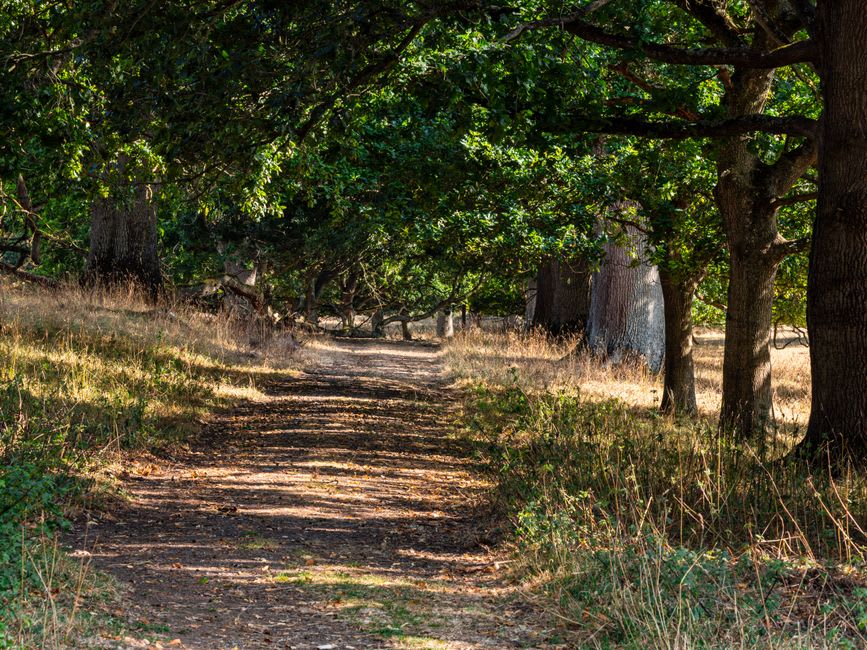
I walked the full waymarked loop, a little over an hour at an unhurried pace, stopping at an information board that explained the grazing history of the peninsula — traditional wood-pasture management, with livestock kept out of parts of the forest and allowed into others, is precisely what created and preserved this kind of oak landscape across Scandinavia, and Ramsholmen’s managers have reintroduced controlled grazing in recent years to keep the understory from choking out with the more aggressive vegetation that colonizes when livestock disappear entirely.
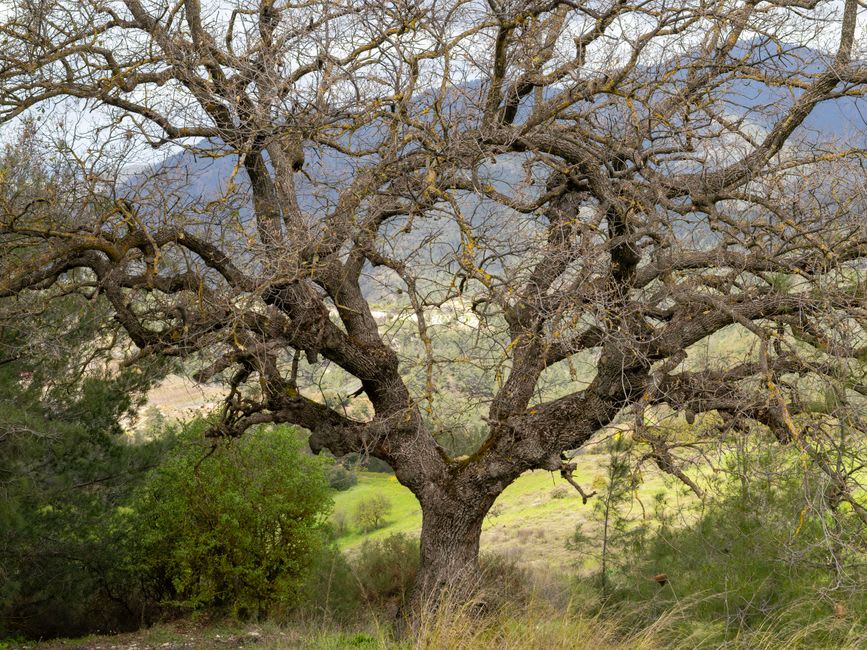
I ended the walk at a small rocky point looking back across the bay toward Mariehamn’s rooftops, close enough to see chimney smoke but far enough that the town felt like a rumor rather than a place I’d have to return to that evening. It’s a reminder, small but real, of how much of what feels wild and untouched in this archipelago has actually been carefully, deliberately managed back into existence.
When to go: May for wood anemones and the freshest canopy green, or September for quiet, cool walking without insects. The reserve is a straightforward half-day trip from Mariehamn by bicycle.
Keep exploring
More from Åland Archipelago
 aland-archipelago
 Saltvik
The historical heartland of Åland, where Iron Age burial mounds, a Viking-era royal manor site, and the archipelago's largest medieval church sit scattered across quiet farmland.
Explore aland-archipelago
 Seglinge
A small, sparsely populated island in the southern archipelago, threaded onto the free cable ferry chain between Kumlinge and Kökar, kept alive by a handful of farming and fishing families.
Explore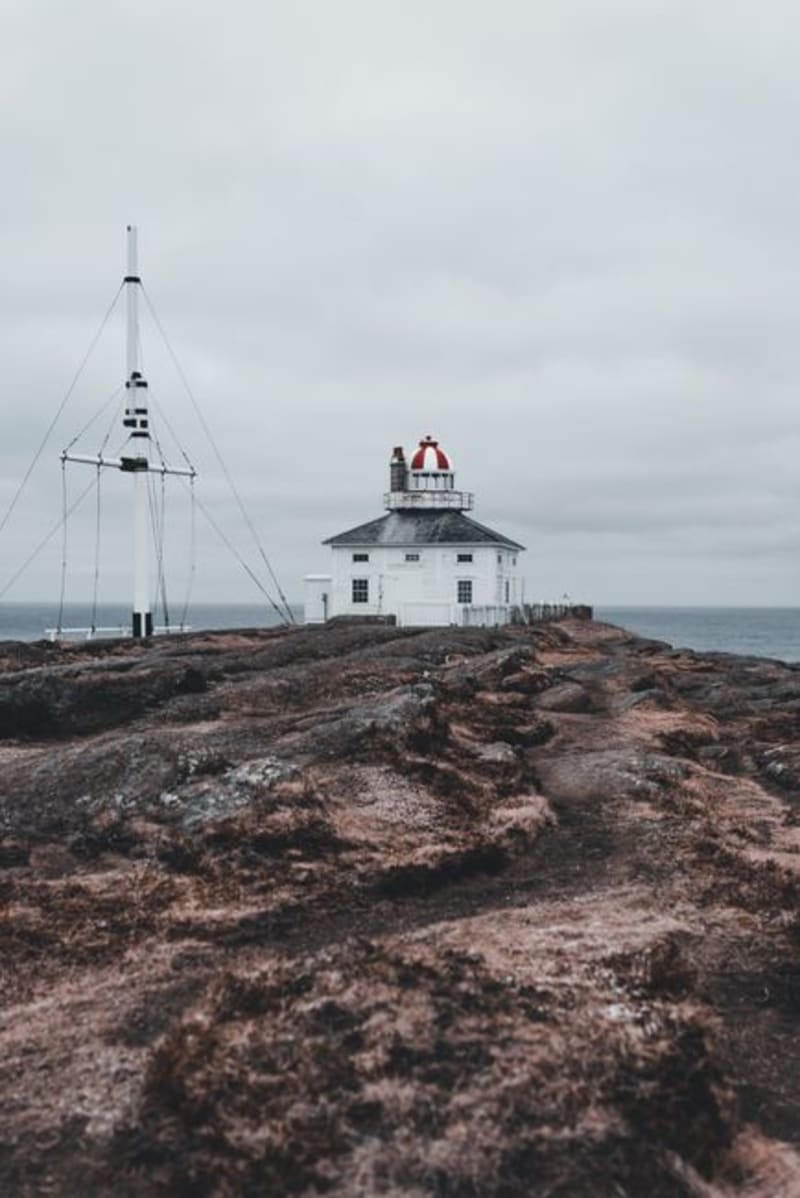 aland-archipelago
 Signilskär
A wind-scoured lighthouse island off Eckerö where a nineteenth-century pilot station and a working bird observatory sit at the very edge of the archipelago's open sea.
Explore aland-archipelago
 Sottunga
The smallest municipality in the Nordic countries — around a hundred people, one shop, one church, and more granite than anyone will ever need.
Explore aland-archipelago
 Vårdö
The easternmost point you can reach by bridge and road from the Åland mainland, a quiet farming and fishing municipality that serves as the gateway to the outer ferry chain.
Explore aland-archipelago
 Bomarsund
The shattered ramparts of a Russian fortress sprawl across a quiet Sund shoreline, a Crimean War ruin slowly being reclaimed by birch and sea wind.
Explore