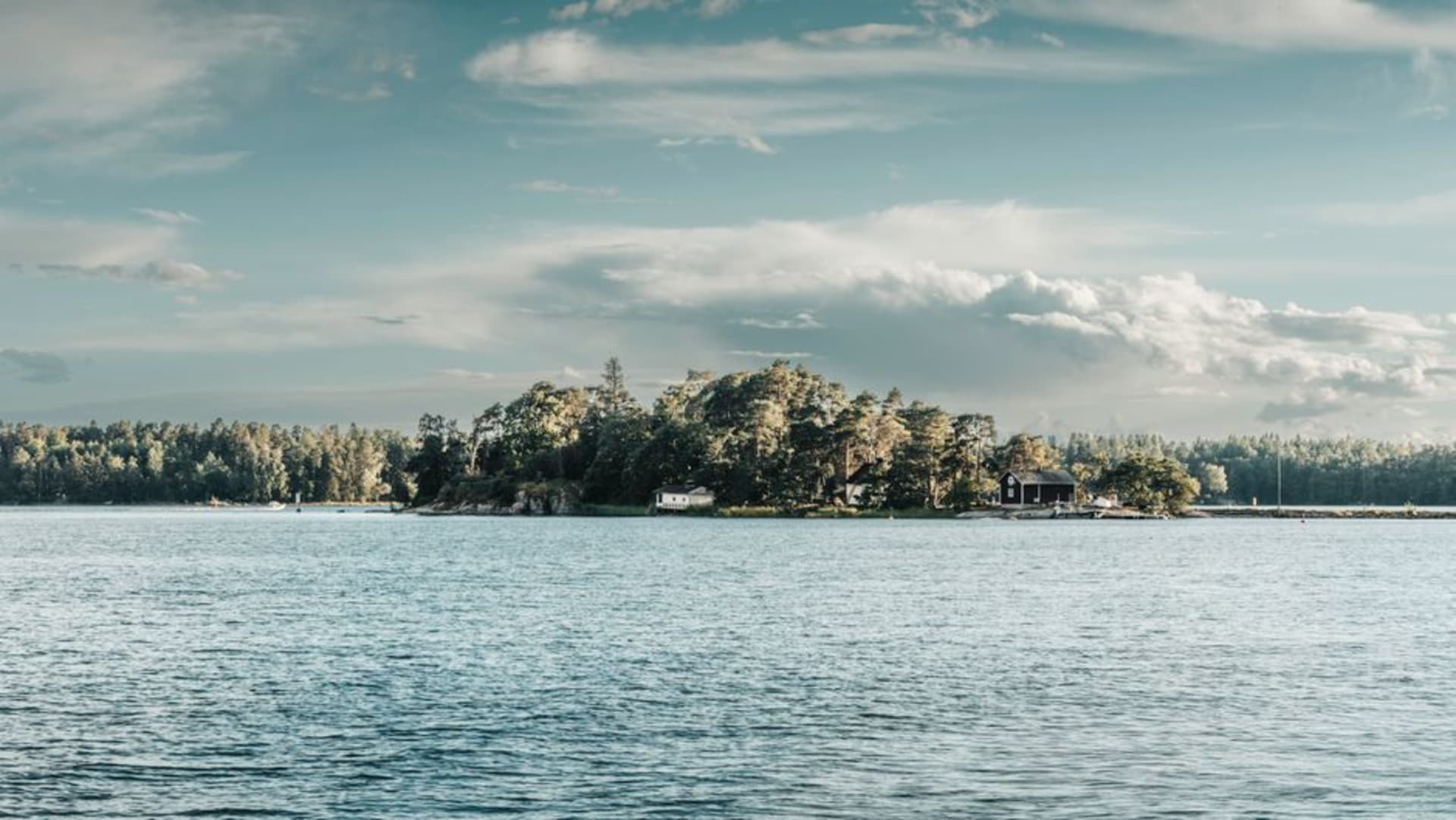
Lumparland
"The smallest municipality in Åland, and the busiest port I found on the whole main island."
Åland's smallest municipality, a slip of farmland and forest wrapped around the busy ferry harbor of Långnäs, where the outer archipelago route quietly begins.
Lumparland is easy to underestimate, which I did, at first, cycling through it in under an hour without stopping because the guidebook description made it sound like nothing more than a road connecting two better-known places. That’s technically true — it is Åland’s smallest municipality by land area, a narrow stretch of farms and forest wrapped around the bay of Lumparn — but I turned around and went back the next day because the ferry harbor at Långnäs deserved more attention than a passing glance.
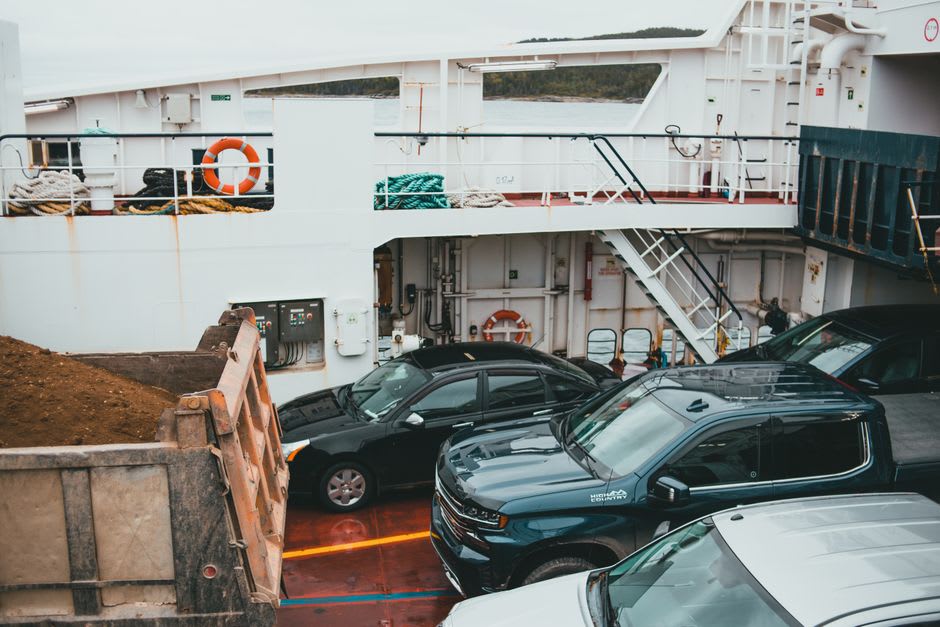
Långnäs is the departure point for the long-haul archipelago route, the ferries that run out through Kökar and beyond to the Finnish mainland at Galtby, as well as the connections east toward Kumlinge and Brändö — which makes this small, unglamorous harbor one of the genuine transport hinges of the whole region, despite sitting in a municipality of barely four hundred people. I spent a morning at the harbor café watching the choreography of departure: trucks and cars loading in a precise, practiced order, foot passengers with backpacks heading for the outer islands, and a small crowd of locals who seemed to be there simply because the ferry’s arrival and departure structures the rhythm of the day here the way a church bell might elsewhere.
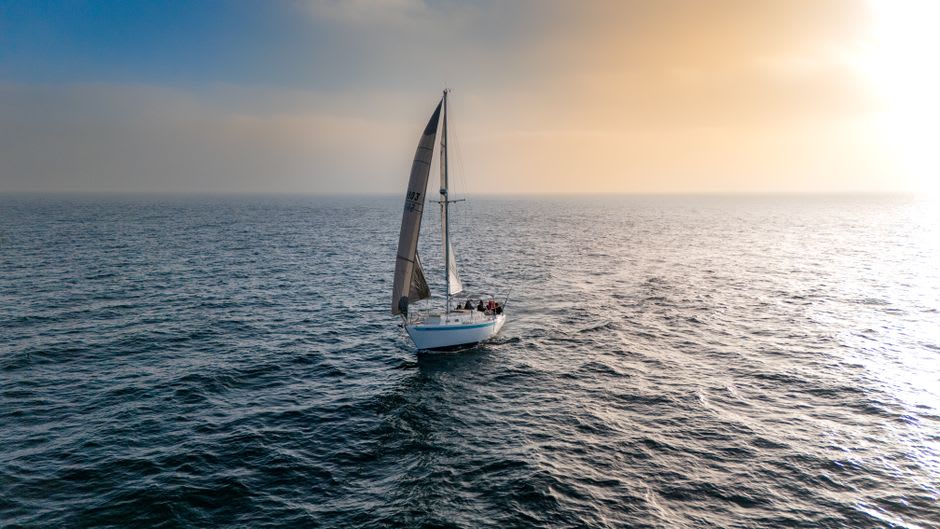
Away from the harbor, Lumparland is almost aggressively quiet — a scattering of red farmhouses, a small eighteenth-century church, and the shore of the Lumparn bay itself, a broad, shallow inland sea nearly enclosed by the main island’s arms, which the local sailing community treats as a sheltered training ground precisely because it’s protected from the open Baltic swell. I rode the shoreline road at Klemetsby in the early evening and watched two small dinghies practicing tacks back and forth across water so calm it barely registered their wake.
There’s an old wooden windmill near the church that no longer turns but hasn’t been removed either, standing in a field like a piece of punctuation nobody got around to erasing. I liked that about Lumparland: nothing here felt curated for a visitor, including the ferry chaos, which is precisely what made it worth the return trip.
When to go: Any time you’re catching or watching for a ferry toward Kökar, Kumlinge, or the Finnish mainland — Långnäs runs a busy schedule May through September. The bay is calmest and best for a quiet evening walk in July and August.