The rural municipality wrapped around Mariehamn, home to Åland's oldest church and a scatter of farms and manor houses that make up the archipelago's agricultural heart.
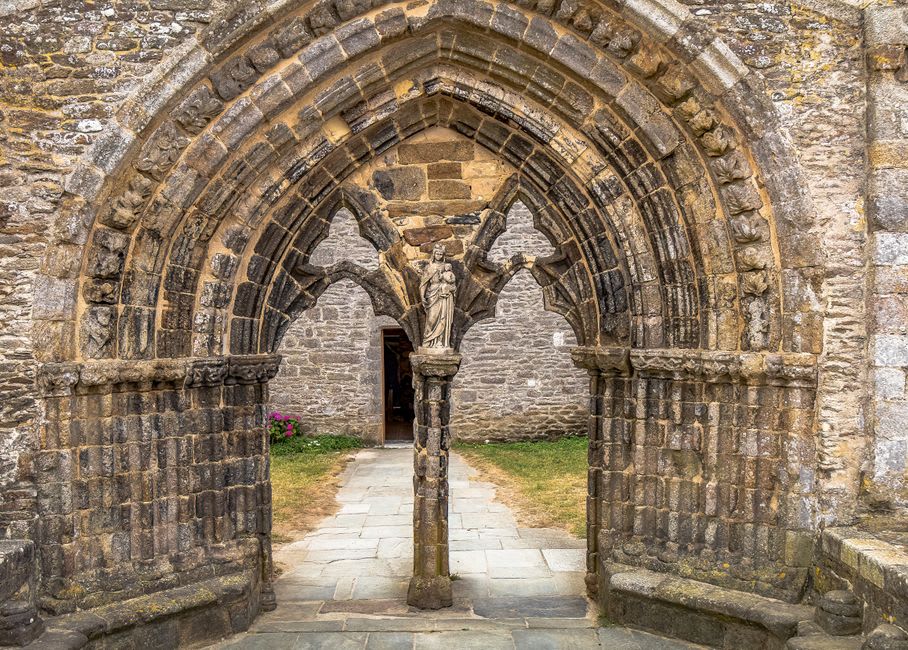
Jomala surrounds Mariehamn on three sides, which means most visitors pass through it constantly without ever quite registering it as a place of its own — I certainly didn’t, for the first two days of my visit, treating it purely as the road between the capital and wherever I was actually headed. That changed when I finally slowed down enough to visit Jomala kyrka, the oldest church in Åland, parts of which date to the twelfth century, making it older than most of the standing architecture anywhere else in the archipelago by a comfortable margin.
The church sits on a low rise surrounded by farmland, built from rough grey fieldstone in a style that owes as much to defensive necessity as devotion — Baltic churches from this period were routinely built thick-walled and fortress-like, doubling as refuges during raids, and Jomala’s has the squat, solid presence to prove it. Inside, a caretaker pointed out medieval stone carvings and the remains of frescoes that predate the more famous painted ceilings I later saw at Saltvik and Kumlinge by a couple of centuries, faded to near illegibility but still visible if you know where on the wall to look.
Beyond the church, Jomala is quietly Åland’s agricultural engine — more of the archipelago’s dairy, grain, and vegetable production happens here than anywhere else, on farms that have often stayed in the same families for generations. I cycled past several manor-scale farmhouses in the Ytterby area, working properties rather than museums, with modern machinery parked incongruously in front of eighteenth-century red timber facades. One farmer selling strawberries from a roadside stand on the honor system — a cash box, a hand-written price, nobody watching — told me she’d taken over the farm from her mother, who’d taken it from hers, in a chain that she traced back, with visible pride, to the 1800s.
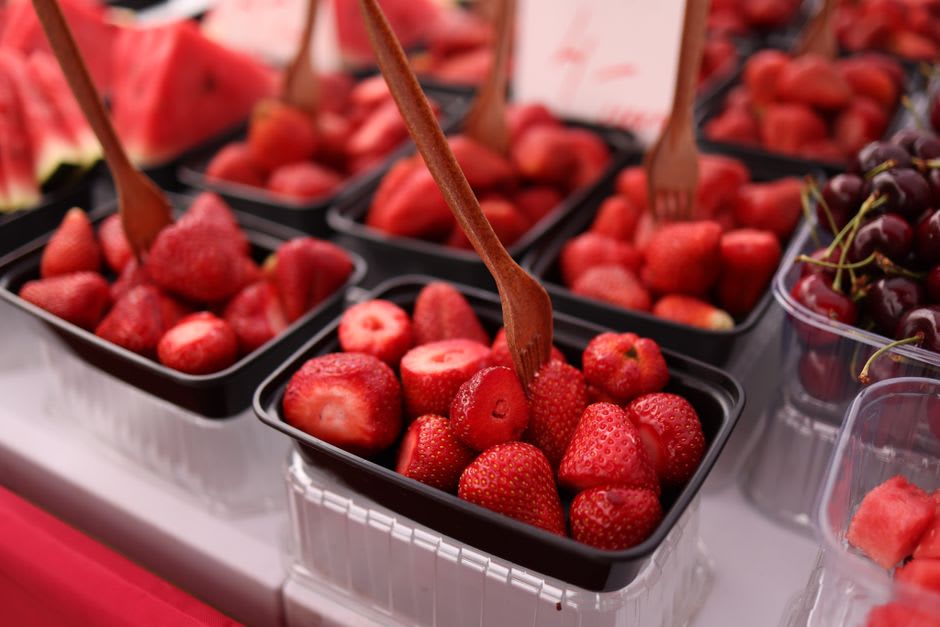
I bought a punnet, ate most of it before I’d cycled another kilometer, and thought that this, more than any single monument, was the real texture of Åland: land worked continuously by the same families for longer than most European nations have existed in their current form.
When to go: Any season for the church, which is generally accessible; July and August for the roadside strawberry and vegetable stands at their peak. Spring is best if you want the farmland at its greenest before the summer cutting.
Keep exploring
More from Åland Archipelago
 aland-archipelago
 Jurmo
A tiny outer island on the Baltic migration corridor where spring brings thousands of raptors and the permanent population fits in a single room.
Explore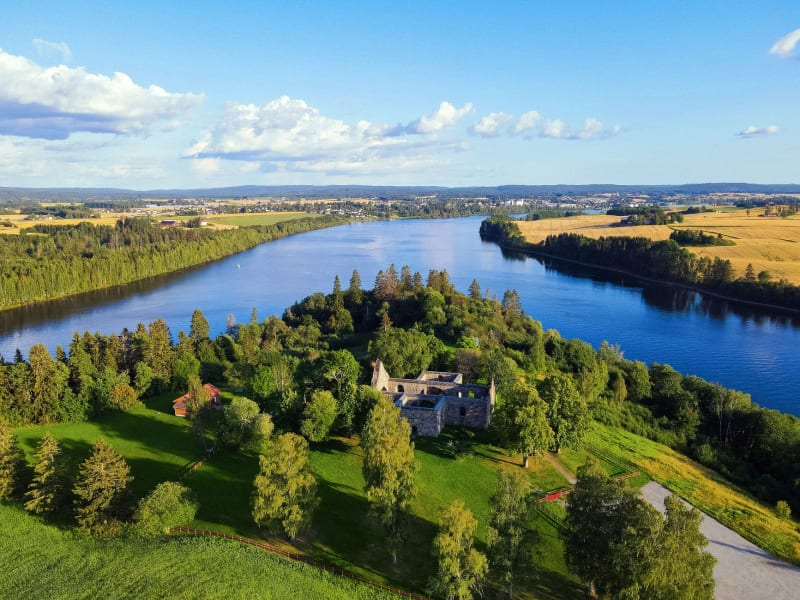 aland-archipelago
 Kastelholm
A 14th-century Swedish castle on a narrow promontory where Viking-age iron rings and royal prison cells survive inside the same ruin.
Explore aland-archipelago
 Kobba Klintar
A tiny skerry just off Mariehamn's harbor where a nineteenth-century pilot and customs station survives almost untouched, reachable only by a short boat hop across open water.
Explore aland-archipelago
 Kökar
The most remote inhabited island cluster in Åland, where the trees give up and the Baltic turns dark blue and you understand what alone really means.
Explore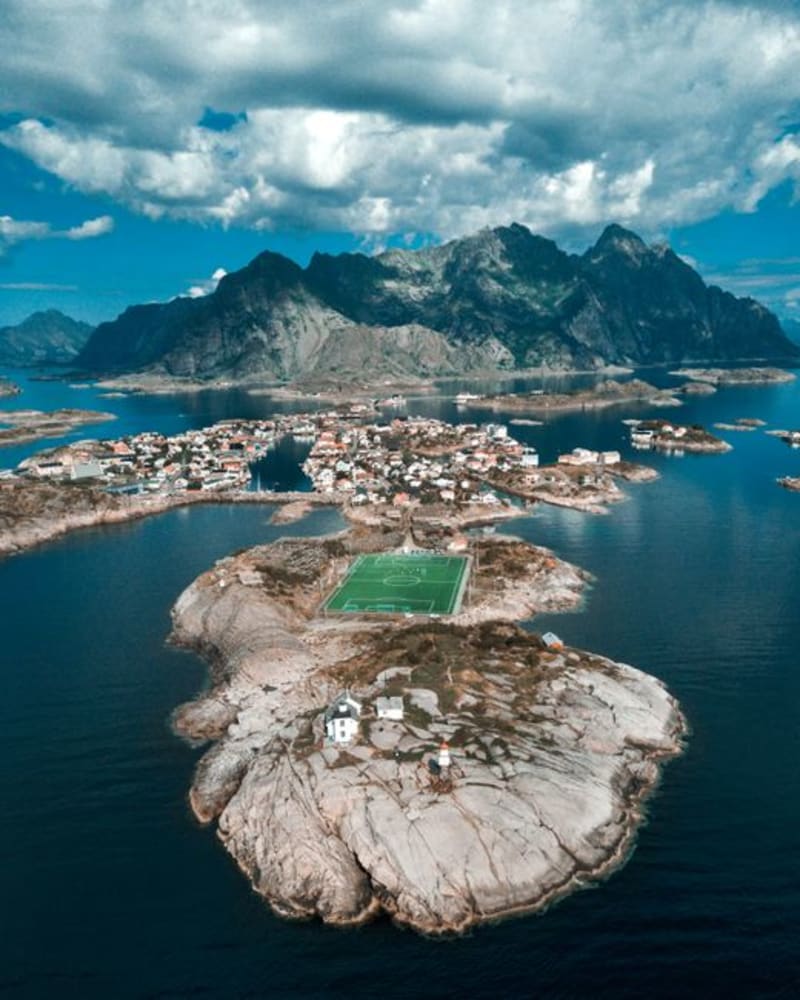 aland-archipelago
 Kumlinge
A scattering of granite islands deep in the eastern archipelago, reached by a long ferry chain and rewarded with a medieval church full of unrestored frescoes.
Explore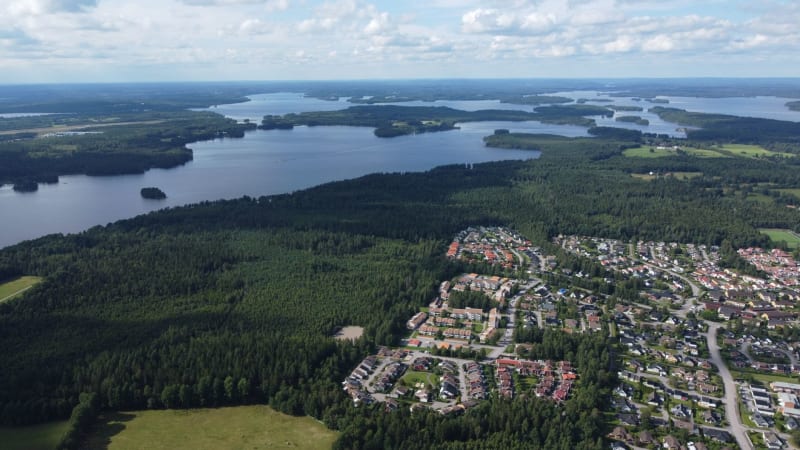 aland-archipelago
 Lemland
A quiet southern municipality of traditional farms and a medieval church, where the cycling is flat and perfect and the world seems to have agreed to slow down.
Explore