Fethiye
"There is a two-thousand-year-old temple carved into a cliff face above the fish market, and nobody seems to think this is strange."
A working harbor town built over ancient Telmessos, where Lycian rock tombs are carved directly into the cliff above the fish market and the Friday bazaar smells of every spice in Anatolia.
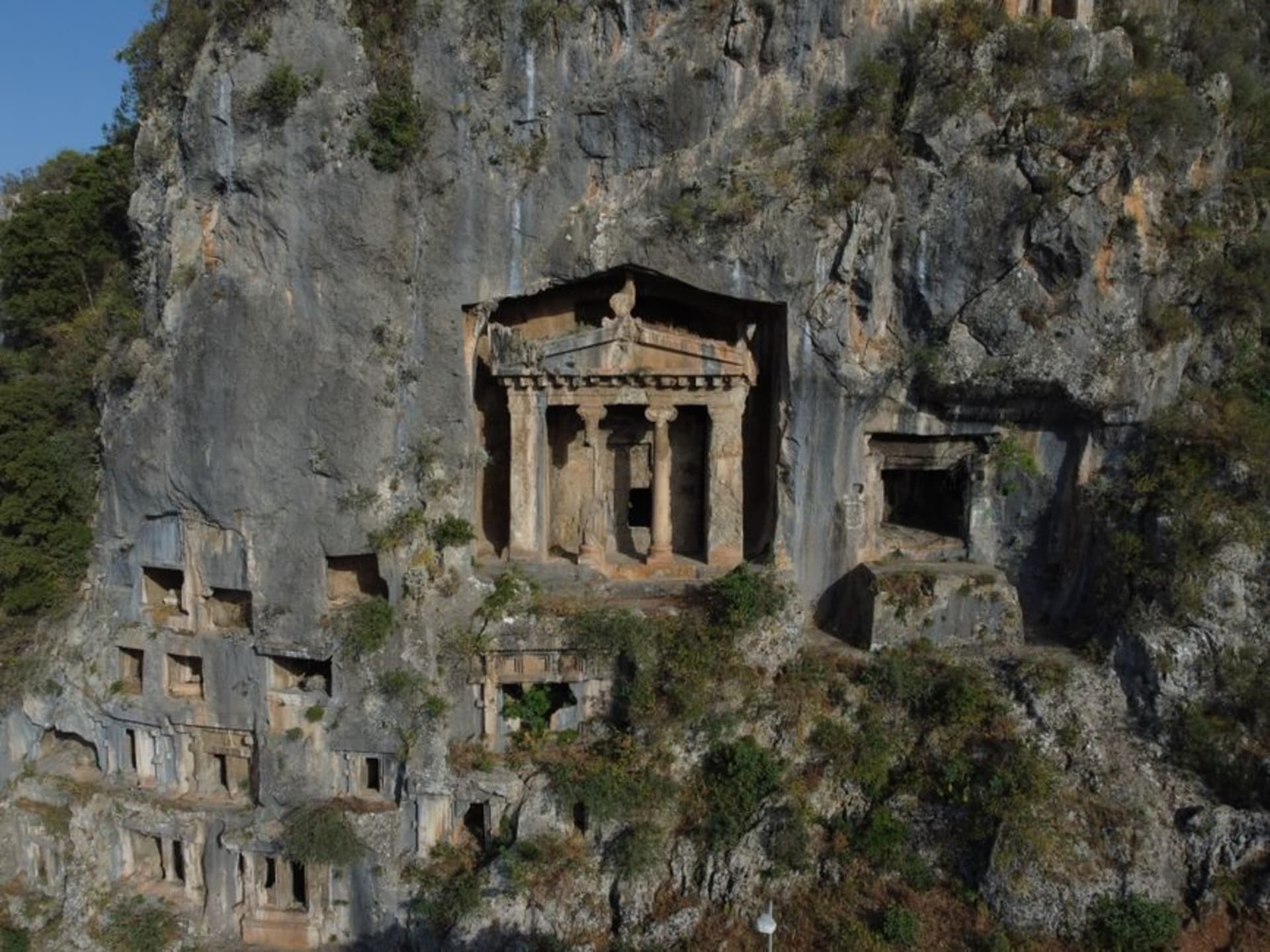
The Tomb of Amyntas is the first thing you notice arriving in Fethiye, whether you mean to or not — a Lycian rock tomb carved directly into the cliff face above the town, its facade cut to resemble an Ionic temple front, columns and pediment and all, chiseled into solid stone in the fourth century BC and still standing sentinel over the harbor traffic and fish stalls below. I climbed up to it in the late afternoon, the stone steps worn smooth by two millennia of visitors, and stood inside the tomb chamber looking back out over the modern town, container ships and gulets sharing the same water where Lycian trading vessels once anchored.
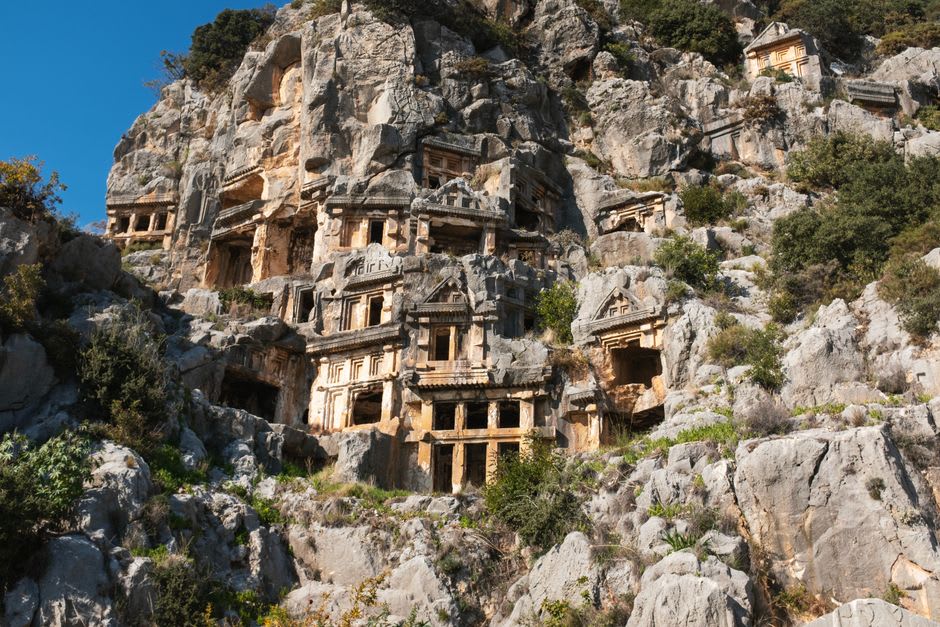
Fethiye itself sits over the ancient city of Telmessos, largely buried now under the modern town after a catastrophic 1957 earthquake leveled much of the historic core and forced a substantial rebuild — which is why the town today reads as functional and modern in its center, with antiquity surfacing unexpectedly at the edges: more rock tombs scattered along the cliffs, a small ancient theater near the harbor, sarcophagi standing incongruously between apartment buildings and car parks the way Kaş has its own street-corner sarcophagus, except here there are considerably more of them and they’ve been absorbed even more thoroughly into daily life.
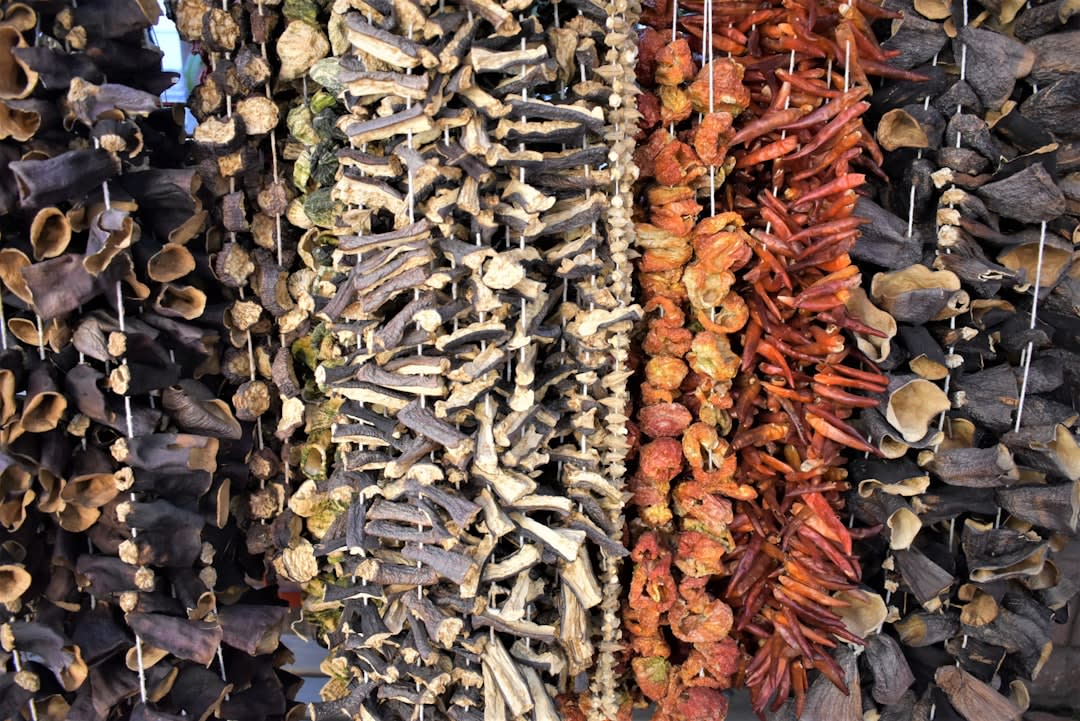
The Tuesday market is, by wide local agreement, one of the best in the region — an enormous, sprawling affair that takes over several streets with produce stalls, spice merchants selling sumac and Aleppo pepper by the kilo, women selling homemade gözleme cooked to order on a domed griddle, and a separate textile section where I watched a woman haggle a carpet seller down by a genuinely impressive margin using nothing but patience and repeated disinterest. I bought more dried apricots and pistachios than any reasonable person needs for a two-week trip and regretted nothing.
The harbor itself is the launch point for gulet cruises along the Twelve Islands, a scattered archipelago of pine-covered islets and quiet coves just offshore, and I spent one full day on a wooden boat drifting between them, swimming off the deck into water so clear I could count individual fish from the railing, which felt like the appropriate way to close out a town that keeps its ancient and modern lives running in close, unbothered parallel.
When to go: May, June, September, and October give warm swimming weather without peak-summer crowding on the island boats. The Tuesday market runs year-round and is worth timing a visit around regardless of season.