Didyma
"It was never finished. Two thousand three hundred years later it is still the most finished-looking unfinished thing I've ever stood inside."
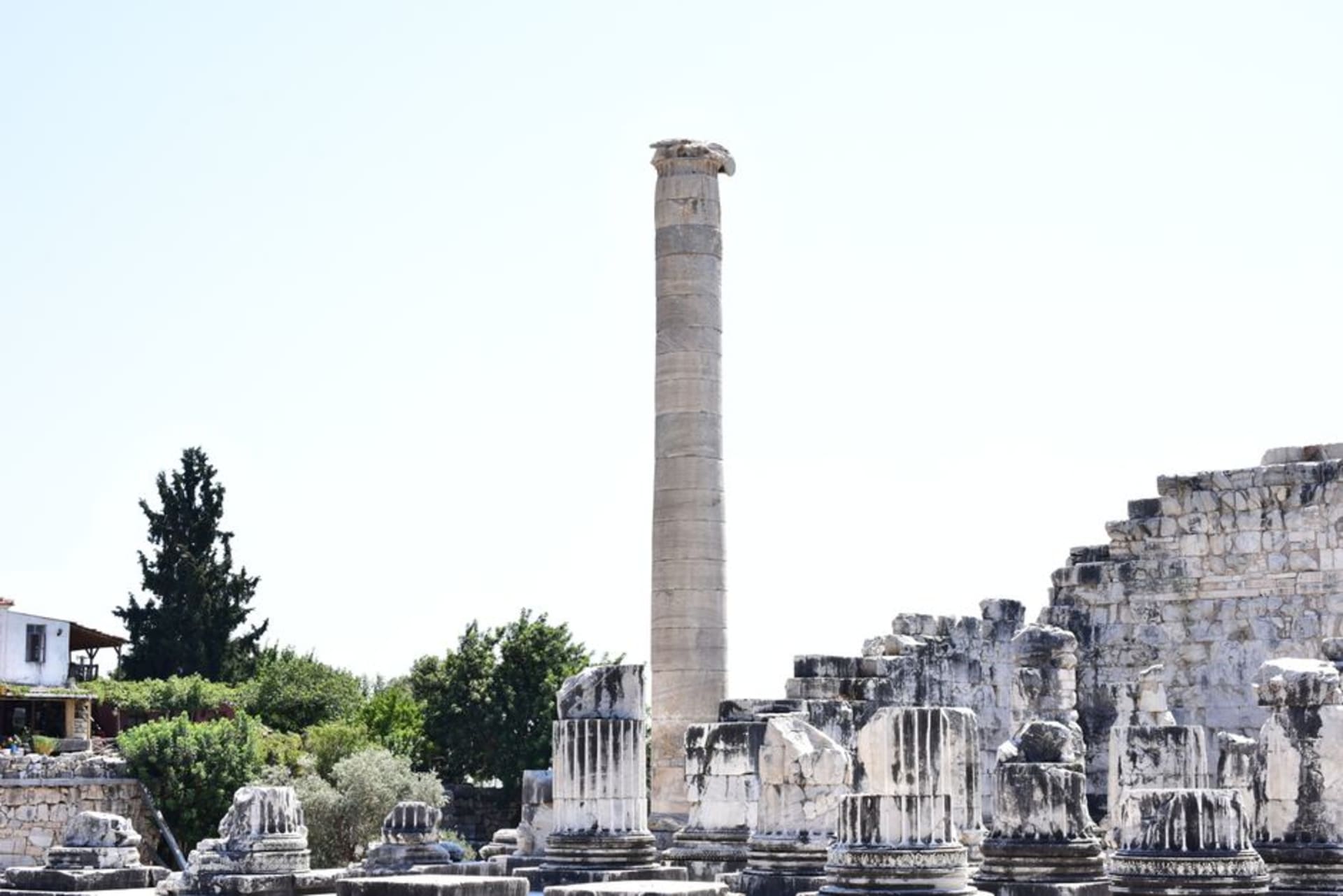
A colossal oracle temple to Apollo that never got finished being built, its unfinished drums stacked exactly where the masons left them twenty-three centuries ago.
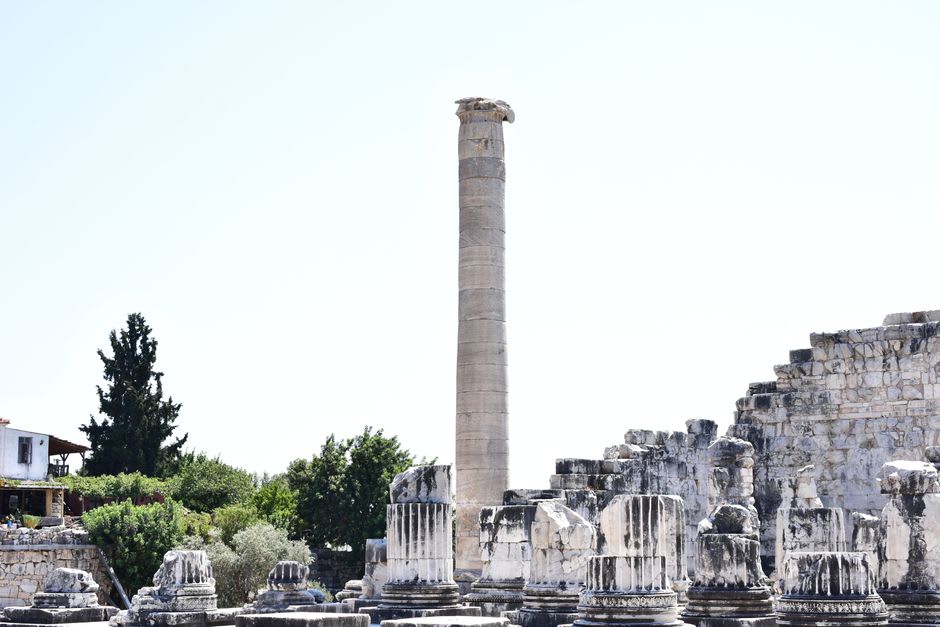
Nothing prepared me for the scale of Didyma. I had seen photographs, the way you see photographs of most ancient sites, and had mentally filed it as a moderately impressive ruin somewhere south of Kuşadası. Then I walked through the entrance and stood at the base of columns nearly twenty meters tall, so thick that four adults linking arms couldn’t circle one, and felt the specific vertigo of a building designed to make its visitor feel appropriately small in front of a god.
The Temple of Apollo at Didyma housed one of the ancient world’s most important oracles, second in prestige only to Delphi, and its priestess — the Sibyl — delivered prophecies from a small chamber inside the temple’s inner sanctum, having fasted and bathed in a sacred spring beforehand to prepare herself for the god’s voice. What makes the site strange and genuinely moving is that the temple was never completed. Construction started under Alexander the Great’s successors and continued, on and off, for roughly five centuries, and when work finally stopped, it stopped mid-task — unfluted column drums lie stacked on the ground exactly as the masons left them, some barely begun, tool marks still visible on the stone as if the workers had simply walked off for a lunch break that lasted two thousand years.
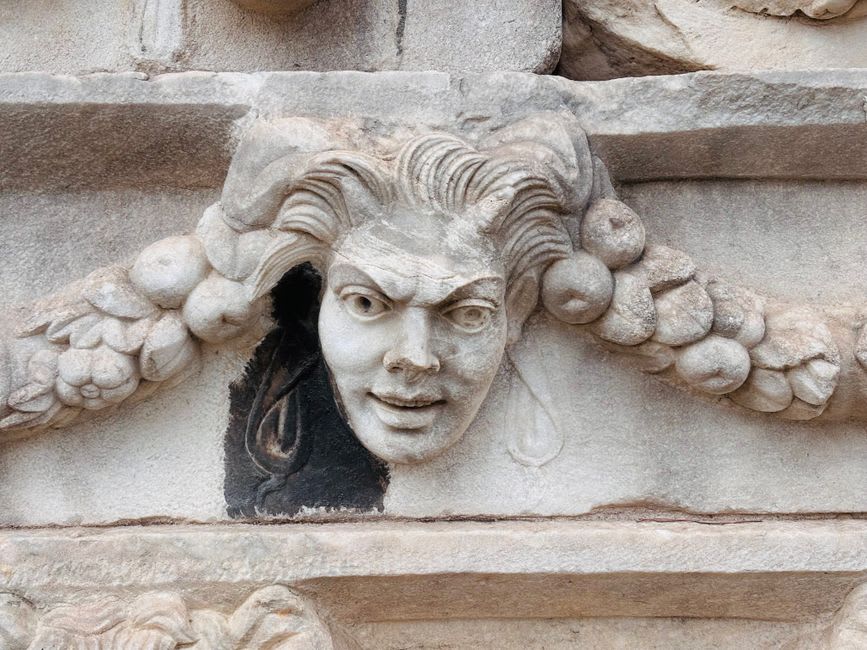
I found the medusa head carving from the temple’s frieze in the small site museum area — an enormous stone face with snakes for hair and an expression that manages to be simultaneously monstrous and slightly bored, one of the most photographed single carvings from the ancient Aegean and considerably more striking in person than in any photograph I’d seen. Around the base of the standing columns, storks nest in spring on the ledges, and I watched one adult feeding chicks directly above the doorway that priestesses once walked through to speak for a god.
The modern village around the ruins is small and sleepy, a scattering of pensions and simple restaurants that seem entirely unbothered by having one of antiquity’s great oracle sites as a next-door neighbor. I ate a plate of fresh grilled sea bream at a place overlooking the temple’s standing columns, watching the stone go from gold to grey as the light dropped, and thought that this — modest food, an unmodest ruin, nobody hurrying anywhere — was a genuinely good way to spend an evening.
When to go: Spring, when the storks are nesting and the wildflowers are out around the ruins, or October for softer light and thinner crowds. The site has little shade, so avoid midday in July and August.
Keep exploring
More from Aegean Coast
 aegean-coast-turkey
 Ephesus
The most intact ancient city in the Mediterranean — where marble-paved streets and a library façade two thousand years old make time feel genuinely negotiable.
Explore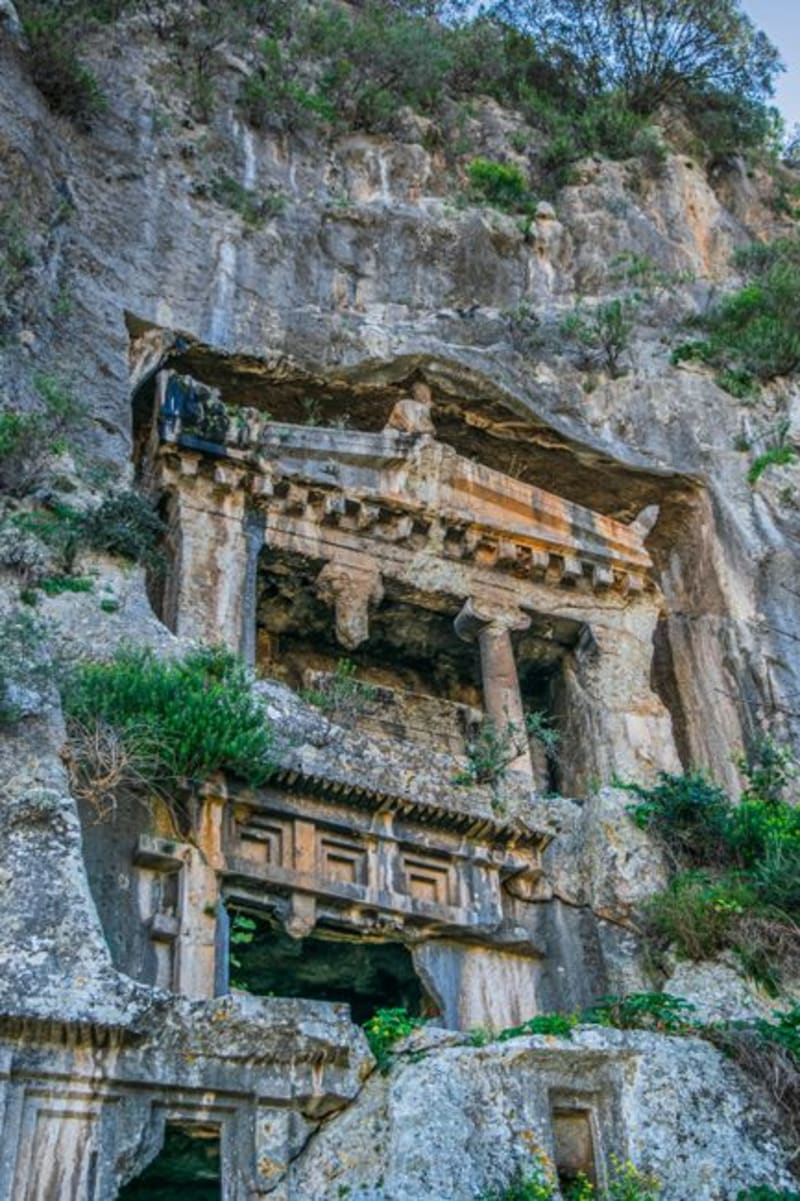 aegean-coast-turkey
 Fethiye
A working harbor town built over ancient Telmessos, where Lycian rock tombs are carved directly into the cliff above the fish market and the Friday bazaar smells of every spice in Anatolia.
Explore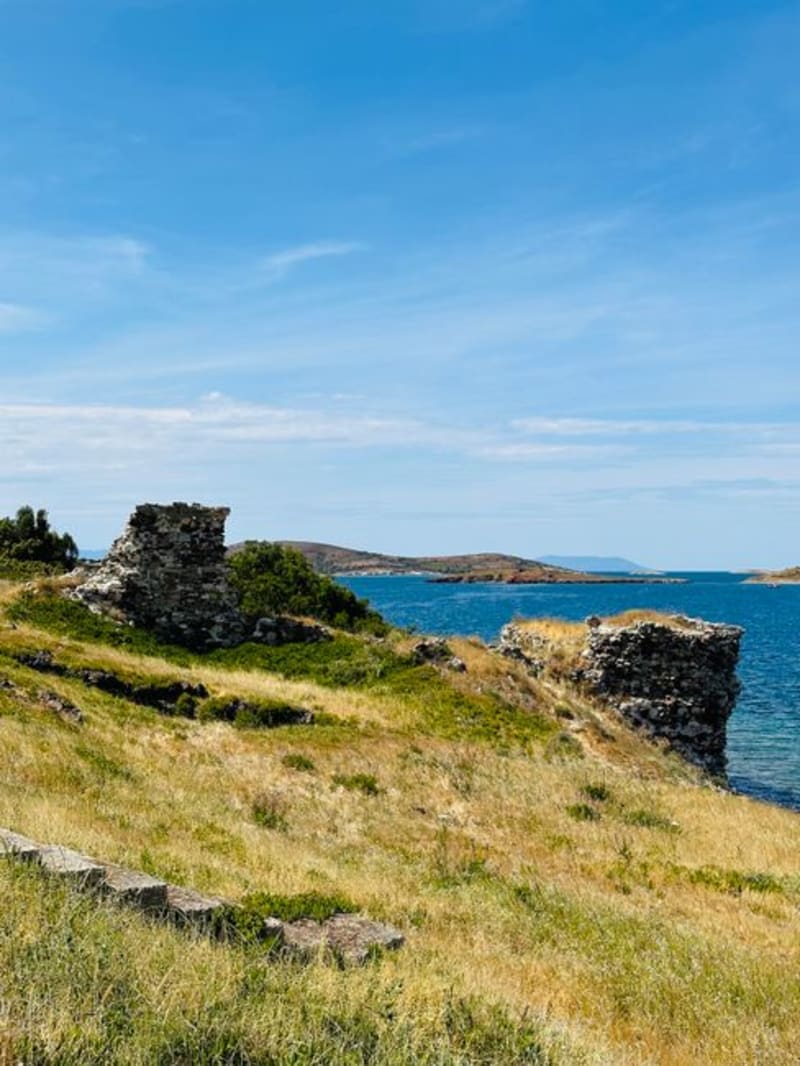 aegean-coast-turkey
 Foça
A former Genoese fortress town where twin rock islets guard a bay full of the Mediterranean monk seals that gave the ancient city its Greek name.
Explore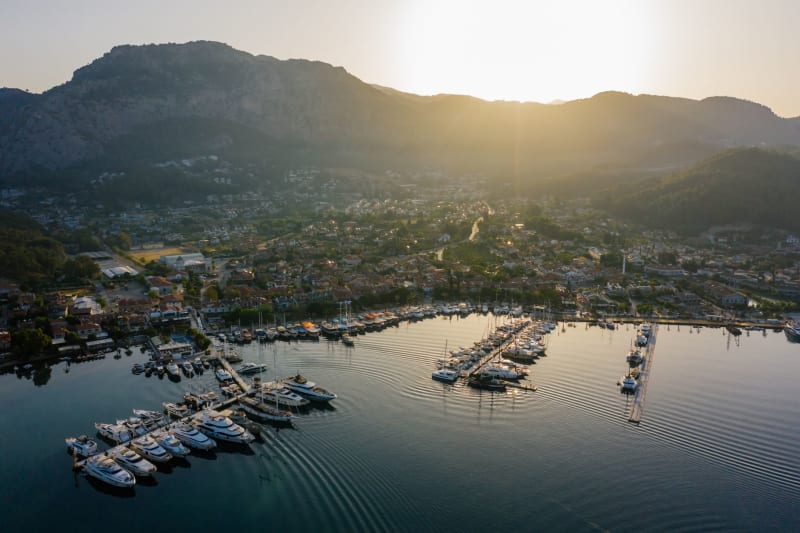 aegean-coast-turkey
 Göcek
A quiet pine-wrapped harbor that serves as the launching point for Turkey's Blue Voyage — twelve islands and the clearest water on the Aegean.
Explore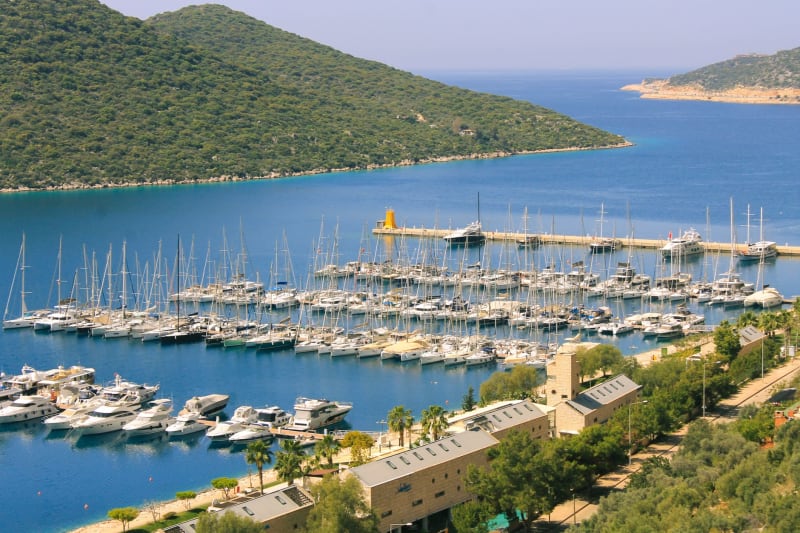 aegean-coast-turkey
 Kaş
A harbor town where Lycian sarcophagi sit at street corners like forgotten furniture and the Greek island of Kastellorizo floats visible across the water.
Explore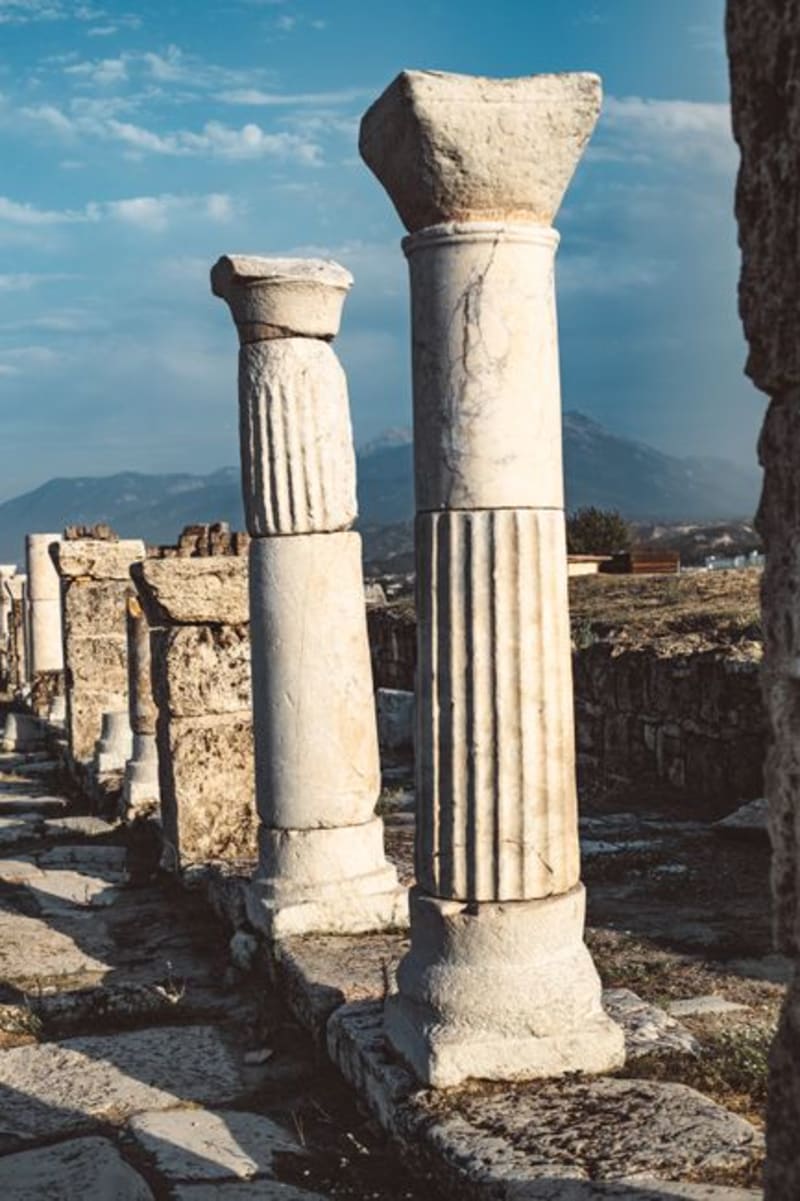 aegean-coast-turkey
 Knidos
A ruined city split across two harbors at the very tip of the Datça peninsula, once home to the ancient world's most famous nude statue and now home to almost nobody at all.
Explore