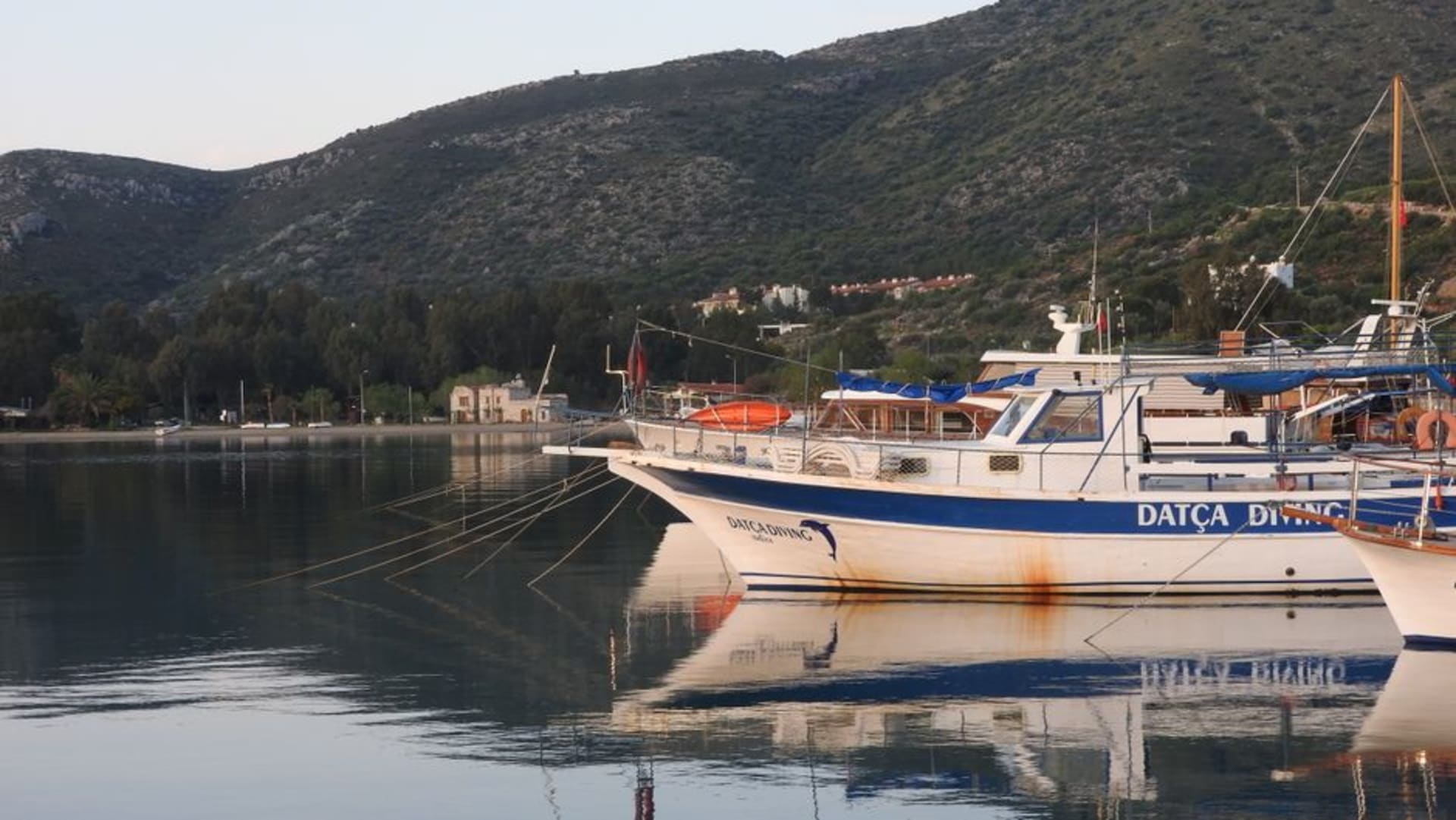
Datça
"The peninsula is so narrow in places that you can see two different seas from the same stretch of road."
A slim peninsula town of almond orchards and thyme-covered hills, dangling between two seas at the point where the Aegean and Mediterranean argue over which one gets to claim the coastline.
Datça sits at the base of a long, narrow peninsula that juts west into the Aegean like an afterthought, so slender in places that driving its single spine road you can genuinely glimpse open water on both the north and south horizons within the same few minutes. I’d been told before arriving that this was the “quiet” alternative to Bodrum, and the comparison undersells it — Datça isn’t quieter Bodrum, it’s an entirely different register, a place that has resisted development mostly through sheer geographic inconvenience, being at the far end of a road that takes genuine effort to drive.
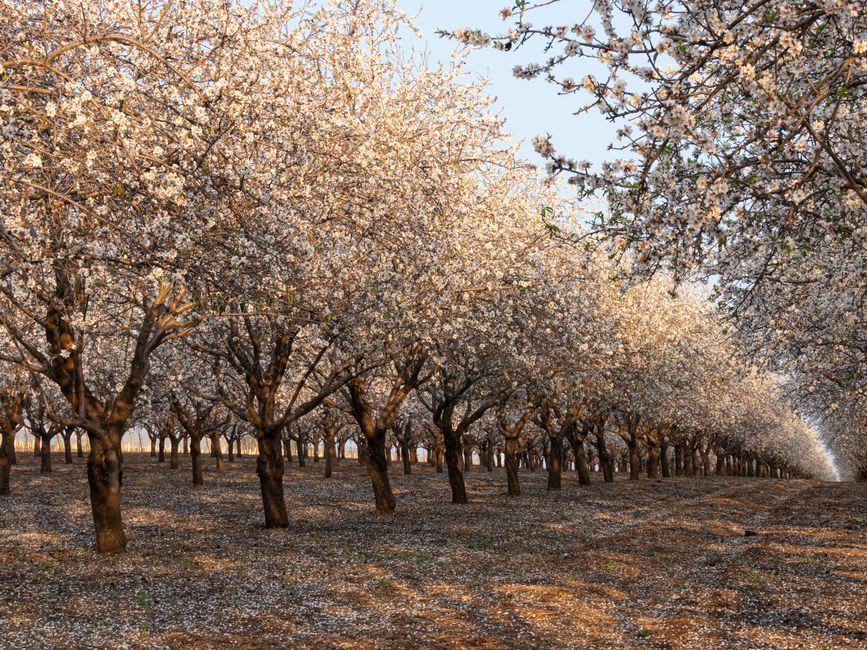
The town itself splits into old and new sections around a small harbor, with a Wednesday market that draws farmers down from the peninsula’s interior villages selling almonds, thyme honey, and the region’s famous mandalina — tangerines grown in orchards that scent entire hillsides in winter. I arrived in almond blossom season, in early spring, and the hills above town were genuinely white with flowers, an effect I hadn’t expected from photographs and found unexpectedly moving in person, like the landscape had decided to celebrate something.
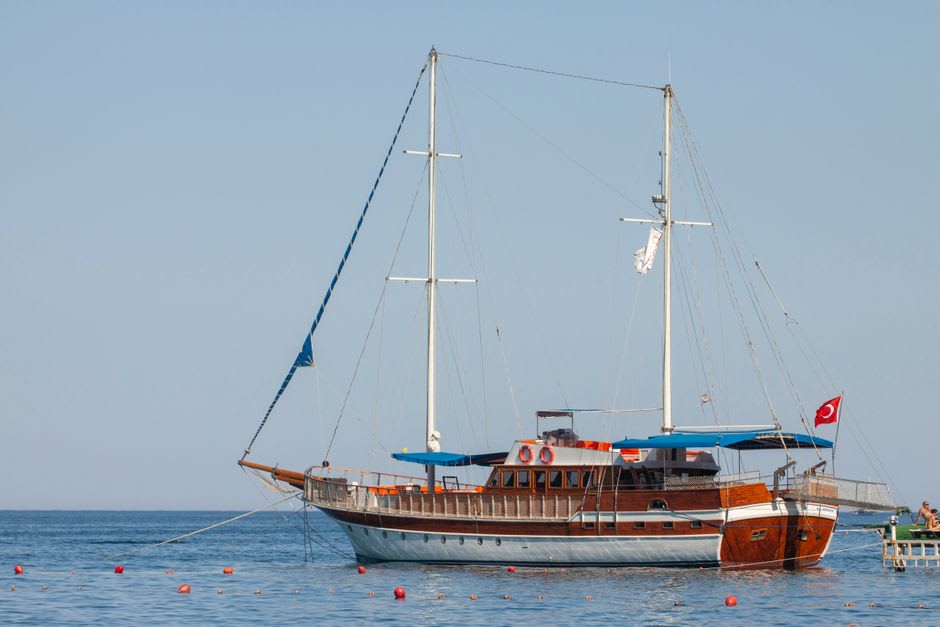
The coves along the peninsula’s coast road are where Datça earns its reputation among people who already know about it — small bays reachable only by dirt track or boat, water so clear that anchored boats appear to float on air, and almost no development beyond the occasional shack selling grilled fish and cold beer. I spent an afternoon at a cove called Kargı, swimming out past the moored gulets to where the water dropped from turquoise to a deeper, cooler blue, and ate lunch afterward at a beach restaurant that had exactly four tables and a menu determined entirely by what the owner’s brother had caught that morning.
At the peninsula’s western tip lies Knidos, the ancient city, but even before you reach the ruins the drive itself is worth the trip — switchbacks along cliffs with the Aegean on one side and glimpses of the Mediterranean on the other, olive groves clinging to impossibly steep terraces, and almost no traffic beyond the occasional truck of local produce heading the other way.
When to go: March and April for almond blossoms and cooler hiking weather; June through September for swimming in the coves. The peninsula road can be windy — literally — so check conditions if you’re prone to seasickness on the ferry crossing from Bodrum.