The Rum Trail — Martinique's Liquid Gold
Why Martinique Rum Is Different
Every Caribbean island makes rum. Most of them make it from molasses — the byproduct of sugar refining — and the result is what you know: sweet, heavy, designed for mixing. Martinique makes rum from fresh sugarcane juice. The difference is the difference between grape juice concentrate and a glass of Burgundy. It is not subtle. It is a different category.
Rhum agricole, as it is called, carries an AOC — Appellation d’Origine Contrôlée — the same quality designation that protects Champagne, Roquefort, and Cognac. Martinique is the only place in the world where rum has this. The designation specifies the sugarcane varieties that can be used, the distillation method (single-column copper still), the minimum aging periods, and even the plots of land where the cane must be grown. The result is a spirit with terroir — you can taste the volcanic soil, the altitude, the proximity to the coast. A blanc from the north of the island, near Mont Pelée, tastes different from a blanc from the south, near Le Diamant. This is not marketing. This is chemistry.
The Distilleries
I spent four days driving the rum trail and visited seven distilleries. Five are worth your time.
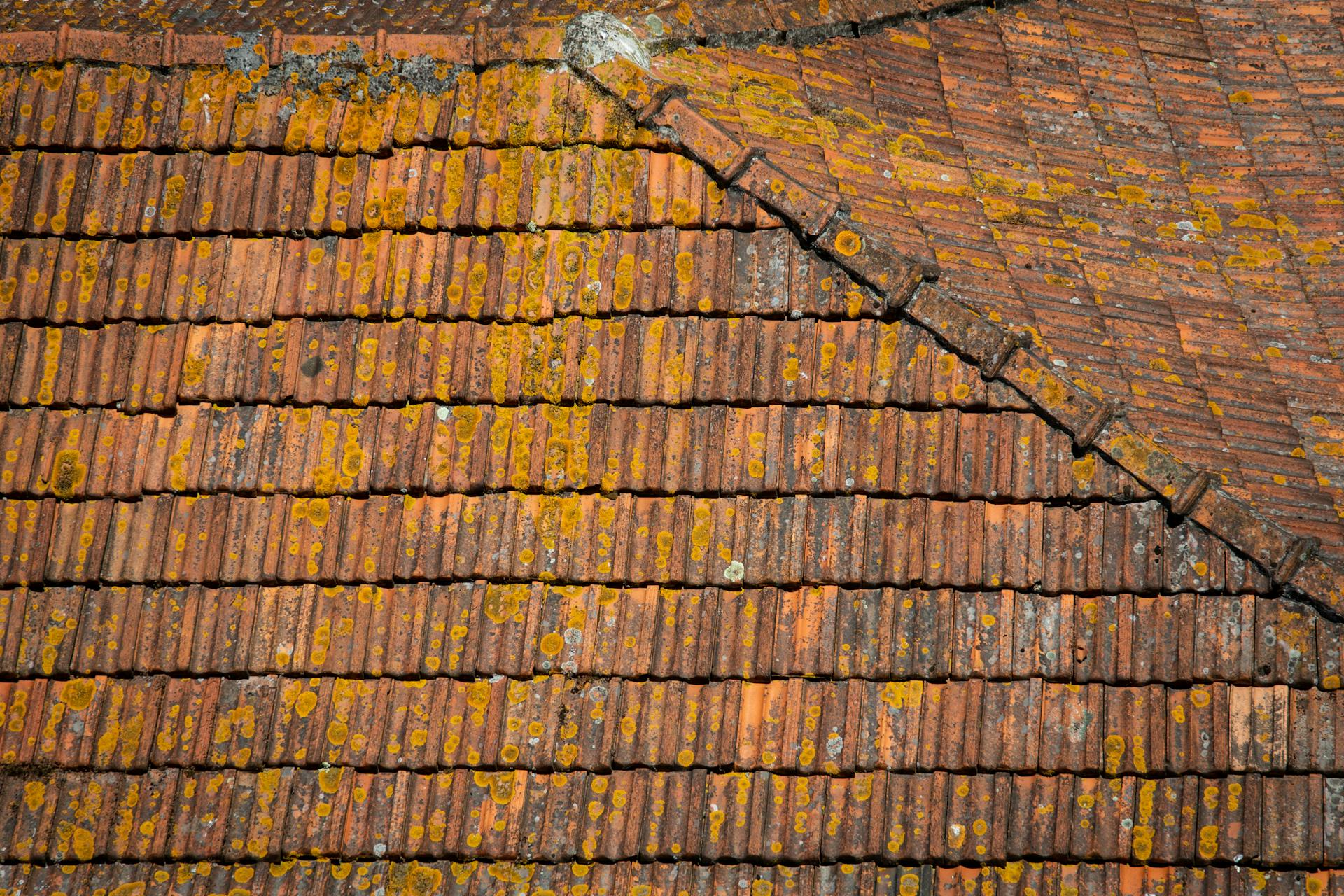
Distillerie JM in Macouba occupies a valley in the far north that looks like the setting for a Gabriel García Márquez novel — impossibly green, ringed by mountains, with the distillery buildings weathered to a patina that suggests centuries of purpose. The blanc is grassy and complex. The XO, aged in re-charred bourbon casks, has a depth that would embarrass many single malts. The tasting is unhurried. The staff assume you are serious. If you are not, you will become so.
Habitation Clément in Le François is the grand estate — a plantation house turned museum with sculpted gardens and an art gallery amid the cane fields. The rum is excellent (the Cuvée Homère, a blend of vintages, is the standout), but the real reason to visit is the setting. This is where you understand that Martinique’s rum culture is not an industry but a civilization.
Distillerie Neisson in Le Carbet is smaller, family-owned, and produces what many connoisseurs consider the finest agricole on the island. The Réserve Spéciale — aged a minimum of six years — has a floral, almost perfumed nose that gives way to vanilla and roasted cane. They make limited quantities. Buy what they will sell you.
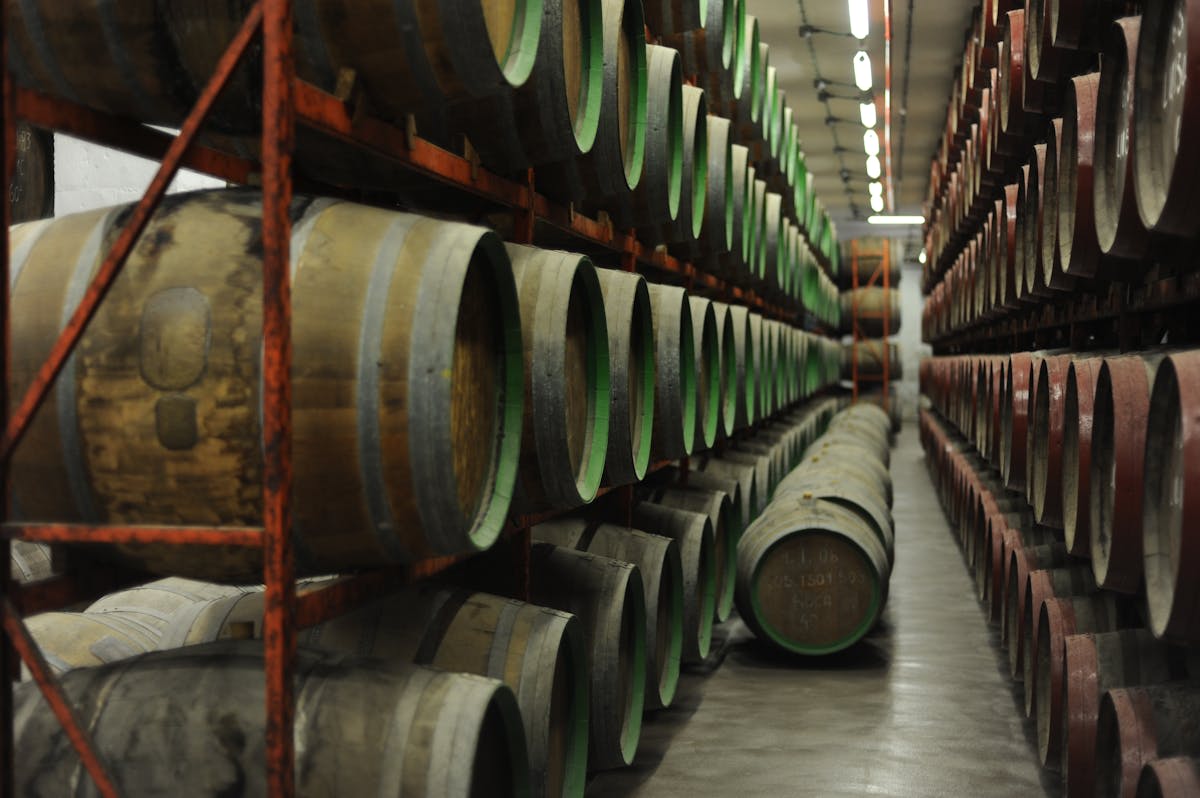
Rhum Trois Rivières in Sainte-Luce has the best visitor programme for newcomers — a guided walk through the cane fields, the distillery, and the aging cellars that takes the mystery out of the process without dumbing it down. Their 12-year cuvée is exceptional.
Distillerie La Favorite near Fort-de-France is the purist’s choice — still family-run, still using an original steam engine, producing small quantities of rum that taste like a direct conversation with the sugarcane. No marketing polish. Just rum.
Ti’Punch
You cannot write about Martinique rum without writing about ti’punch — the national drink, served everywhere, consumed at every hour, and debated with the intensity that the French reserve for politics and cheese. The recipe is three ingredients: rhum blanc, a disc of lime (not squeezed — pressed once, lightly, against the rim of the glass), and sucre de canne (raw cane sugar or cane syrup). There is no ice. There is no soda. There are no exceptions.
The ritual is specific. You make your own. At a bar, you will receive a glass, a bottle of blanc, a saucer of lime rounds, and a small container of sugar. You assemble the drink yourself, to your proportions. This is not a cocktail. It is an act of self-knowledge. How much sugar tells the bartender who you are.
I drank ti’punch every day for ten days. By the end, I could taste the difference between blancs from different distilleries and argue about sugar ratios with the best of them. Martinique does this to you. It takes something you thought was simple and reveals layers of complexity you did not know existed. The rum is a metaphor. Or perhaps the island is a metaphor for the rum. After enough ti’punch, the distinction ceases to matter.
Viaja con intención
Guías curadas, destinos tranquilos e historias que vale la pena leer — enviadas cuando tenemos algo que merece ser compartido.
Sin spam. Cancela cuando quieras.