Europe
Wales
"I crossed into Wales and the air changed before the sign did."
I drove in from England on the A5, and somewhere around Betws-y-Coed the landscape decided to stop being polite. The road narrowed, the mountains pressed in on both sides, and a sign appeared in two languages — the Welsh above, the English below, the Welsh looking like it had been there longer. It had. That was my first hour in Wales, and it told me more than three days of research had.
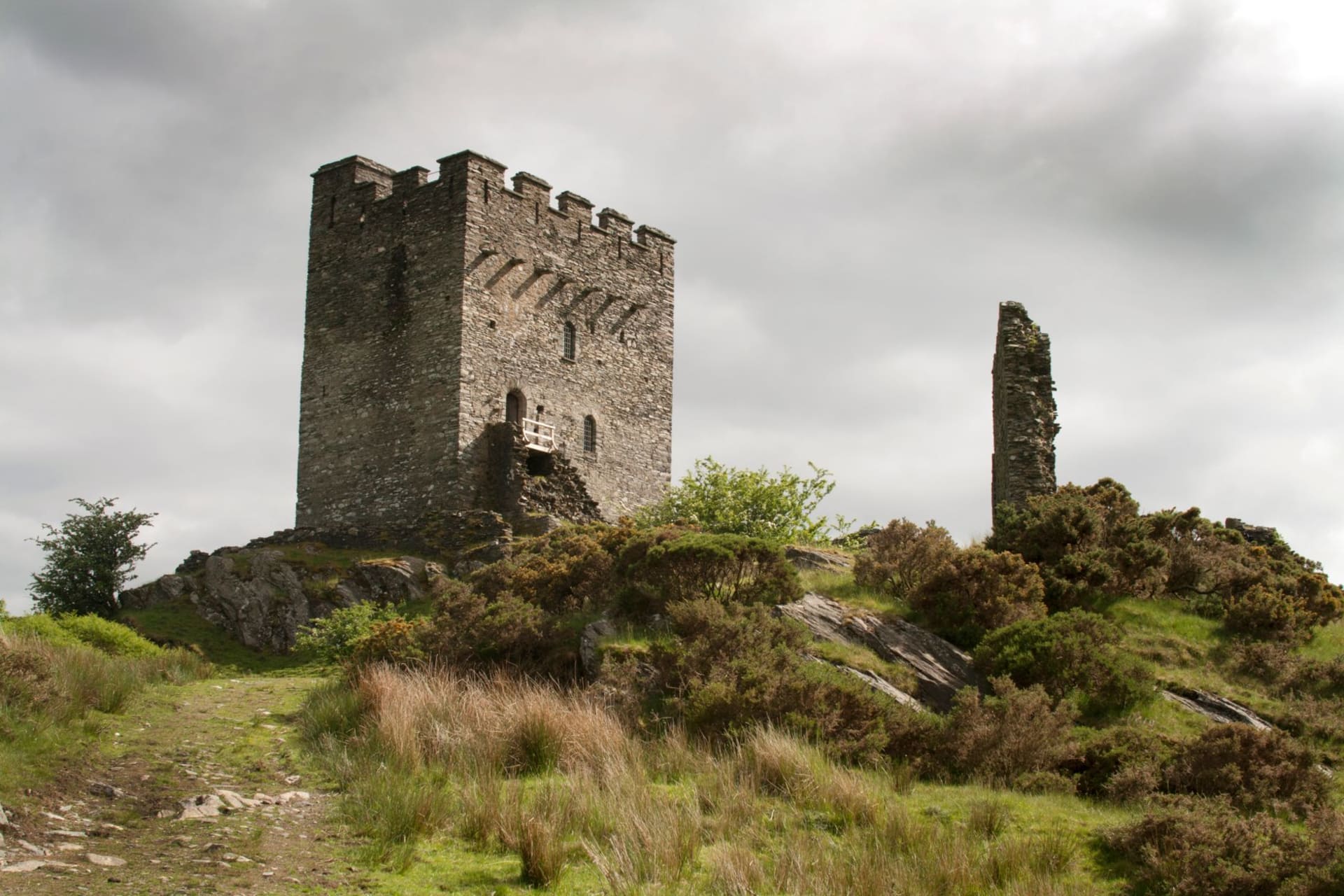
Snowdonia stops people cold. I had expected something comparable to the Lake District — pleasant, green, manageable. What I got was raw: Tryfan’s ridgeline sharp against a pewter sky, the Llanberis pass dropping away beneath you with the kind of geometry that makes your stomach ask questions. Dolwyddelan Castle sits above the Conwy Valley like it grew out of the rock rather than being built on it, and standing there on a weekday morning with mist still burning off the lower slopes, I had the ruins entirely to myself. In August. In Europe. That almost never happens. The Pembrokeshire coast in the south is a different Wales altogether — sea stacks, seal colonies, coastal paths that cut above cliffs where the Atlantic hits Wales without apology. I ate cawl at a pub in Tenby, the lamb broth thick and honest, and the woman who brought it asked where I was from and switched to French without skipping a beat. Welsh people have been learning other people’s languages for centuries; it makes them extraordinarily gracious hosts.
The Welsh language is the thing that most travelers underestimate. This is not a museum piece or a heritage performance — people argue in it, make jokes in it, text in it. In the north, in Gwynedd particularly, you will overhear conversations in a language that has been spoken on this island since before Rome arrived. Order something in the few Welsh words you have bothered to learn and watch the entire atmosphere of a room shift slightly warmer.
When to go: May and June offer the best balance — longer days, the hills genuinely green, and the school-holiday crowds not yet arrived. September is excellent for walking: the light turns golden early and the summer visitors have thinned. July and August are peak season and the coastal towns fill fast; book well in advance if you go then. Winter in Snowdonia is serious; go prepared or not at all.
What most guides get wrong: They route everyone through Cardiff and Snowdon and call it Wales. Cardiff is fine — the castle, the arcade shopping, the surprisingly good food scene — but it is not where the country lives. And Snowdon, because it has a railway to the summit, attracts crowds that belong in a theme park. The real Wales is Cadair Idris on a clear morning, the Elan Valley reservoirs in Powys where you can drive for an hour without seeing another car, the Gower Peninsula where surfers still share the beach with horses. Go where there is no café at the top. That is where Wales is keeping the best of itself.