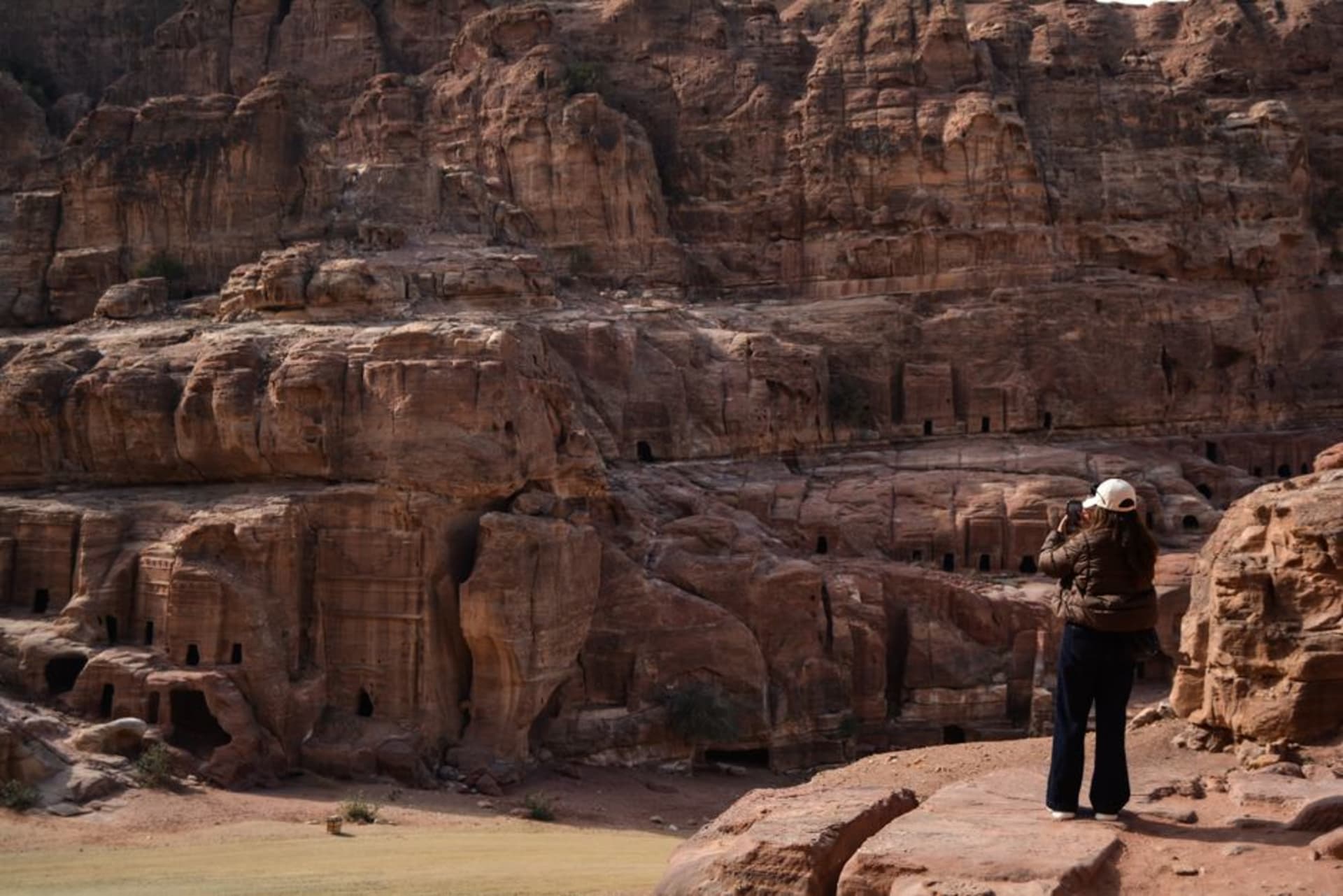
Nabataean Temple of Allat
"We came for the dunes and found a goddess waiting quietly at the foot of the mountain."
A ruined desert sanctuary at the foot of Jebel Rum, where sixteen columns once honored a goddess older than Petra's.
We almost drove past it. Lia and I had just checked into our camp near Rum village, and our guide mentioned, almost as an afterthought, that there was a temple a short walk from where the 4x4s park before heading into the desert. I’d pictured something like a roadside marker. Instead we found a rectangular podium of pale sandstone, quiet and half-swallowed by sand, with a handful of columns still upright against the cliffs of Jebel Rum. It’s easy to miss because it sits so close to the village, almost domestic in its setting, nothing like the dramatic canyons and rock inscriptions Wadi Rum is famous for.
Our guide told us it was built for Allat, a goddess worshipped across pre-Islamic Arabia long before Islam and long before the Nabataeans carved their kingdom out of these valleys. The Greeks equated her with Athena, the Romans with Minerva, and here in Wadi Rum she had a sister shrine to al-Uzza, the deity honored at Petra. Standing on that podium, imagining sixteen columns instead of the few that remain, I felt the same quiet thrill I’d had walking into the Siq for the first time — the sense that this place was a real religious center, not scenery.
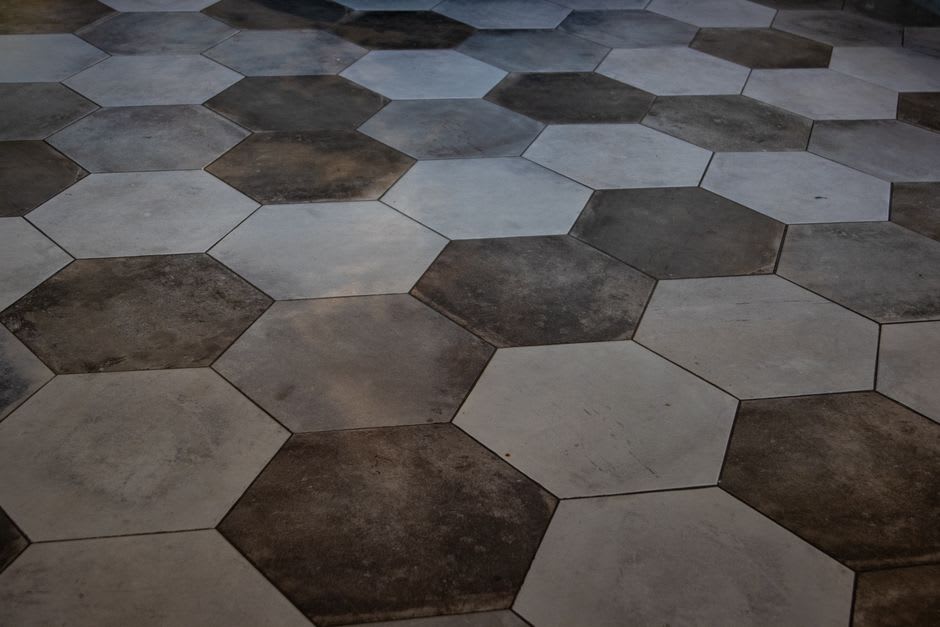
What struck me most was the paving. The hexagonal sandstone blocks underfoot are original, laid out around a central shrine area that archaeological missions uncovered only in the late twentieth century. I crouched down and ran my hand over one of the stones — still fitted tight against its neighbors after two thousand years — while Lia photographed the shadows the standing columns threw across the podium as the light dropped. Our guide mentioned that an earlier Thamudic shrine had stood on this exact spot before King Aretas IV’s builders raised the Nabataean temple sometime between 9 BC and AD 40, which made the whole site feel layered, like one act of devotion built on another.
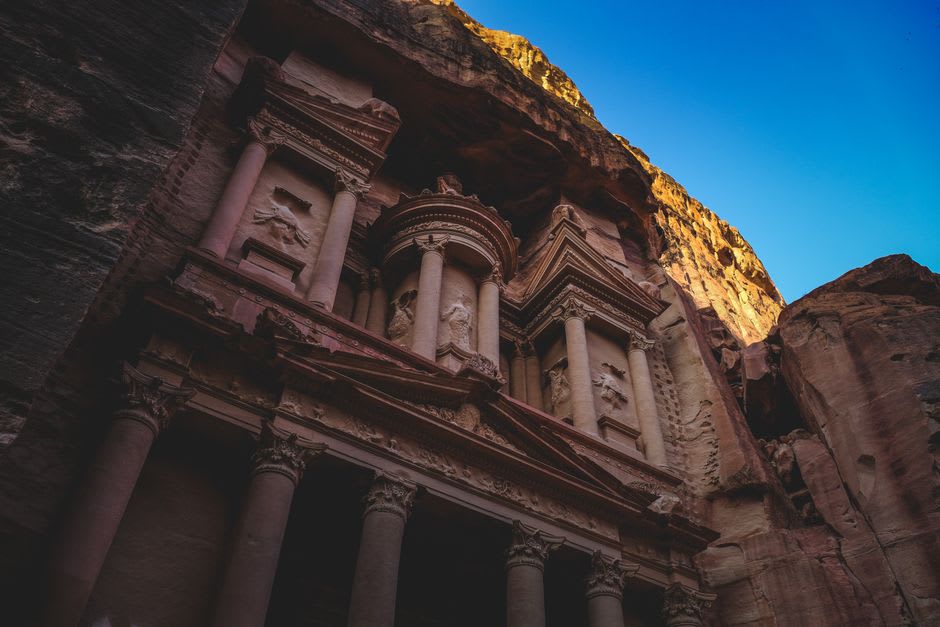
We stayed until the sun dropped low enough that the columns cast long stripes across the sand, and I understood why our guide had waited until that hour to bring us. It’s a small site, you can walk it in twenty minutes, but it earns its place on any list of things to see in Wadi Rum precisely because it’s so unexpected — proof that people were praying and building here long before the Bedouin camps and the desert safaris.
When to go: Aim for the cooler months between October and April, and time your visit for early morning or late afternoon, when the low light rakes across the columns and turns the whole ruin gold.
Keep exploring
More from Wadi Rum
 wadi-rum
 The Red Sand Dunes
Mounds of iron-red sand piled against the base of ancient cliffs, where the light at 5pm turns the desert into something that looks actively, dangerously on fire.
Explore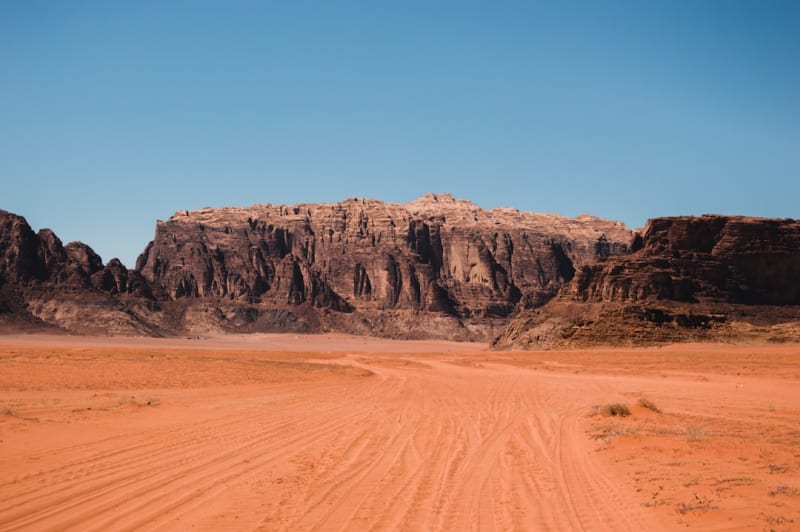 wadi-rum
 Rum Village
The small Bedouin settlement at the edge of the protected area where the road ends, the tea never stops, and the desert begins without ceremony.
Explore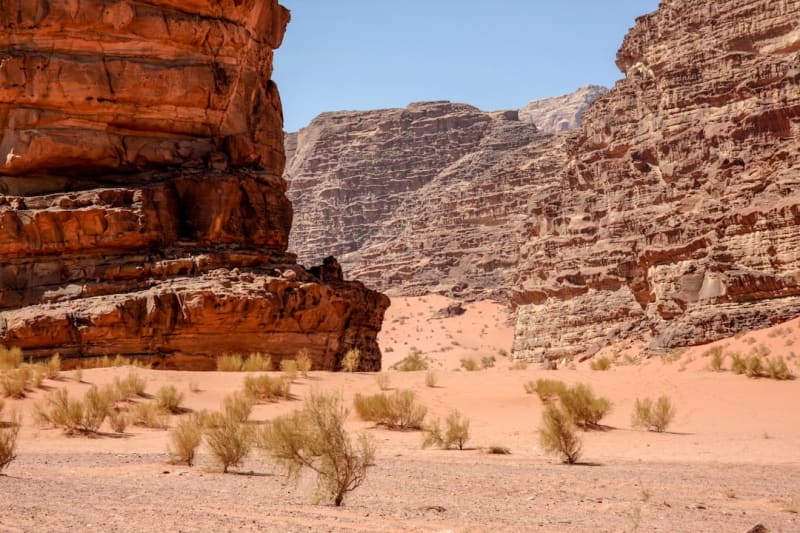 wadi-rum
 Seven Pillars of Wisdom
The massive rock formation that T.E. Lawrence named his memoir after dominates the valley entrance, its seven fractured buttresses turning from orange to violet in the last light of the day.
Explore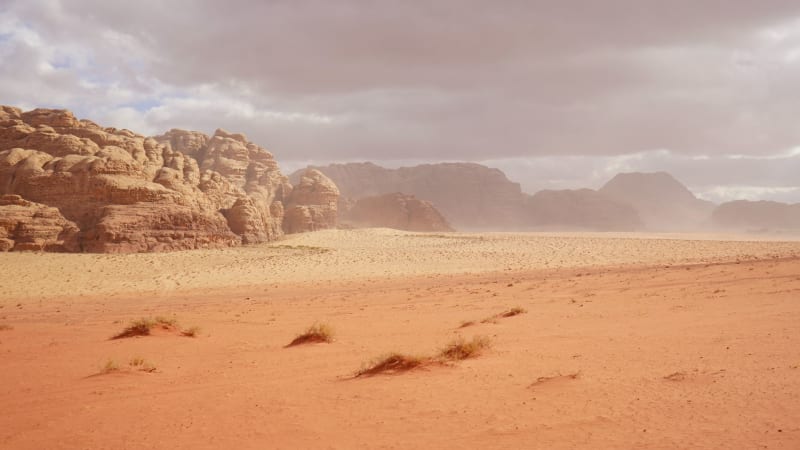 wadi-rum
 Um Fruth Rock Bridge
A lower, climbable sandstone arch where the scramble to the top is brief enough to be impulsive and the view across the valley is wide enough to feel earned.
Explore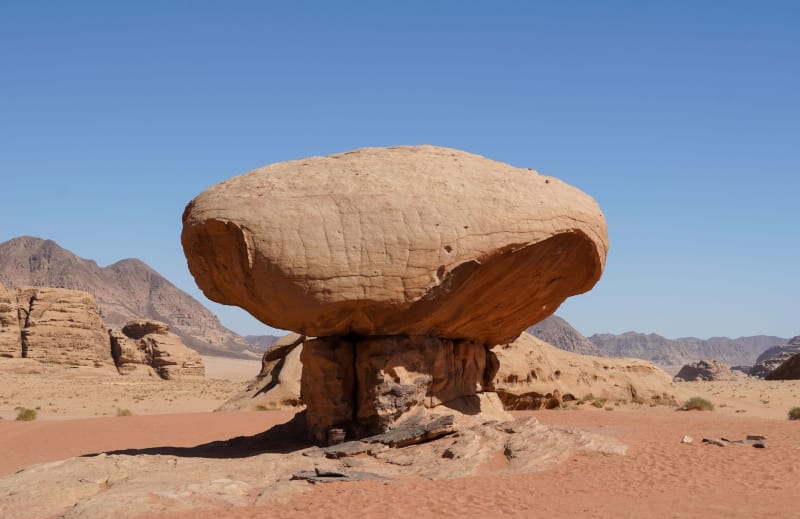 wadi-rum
 Anfaishiyya Inscriptions
A long sandstone cliff face etched with Thamudic script, hunting scenes, and camel petroglyphs by travelers who passed through this desert when it was a living trade route.
Explore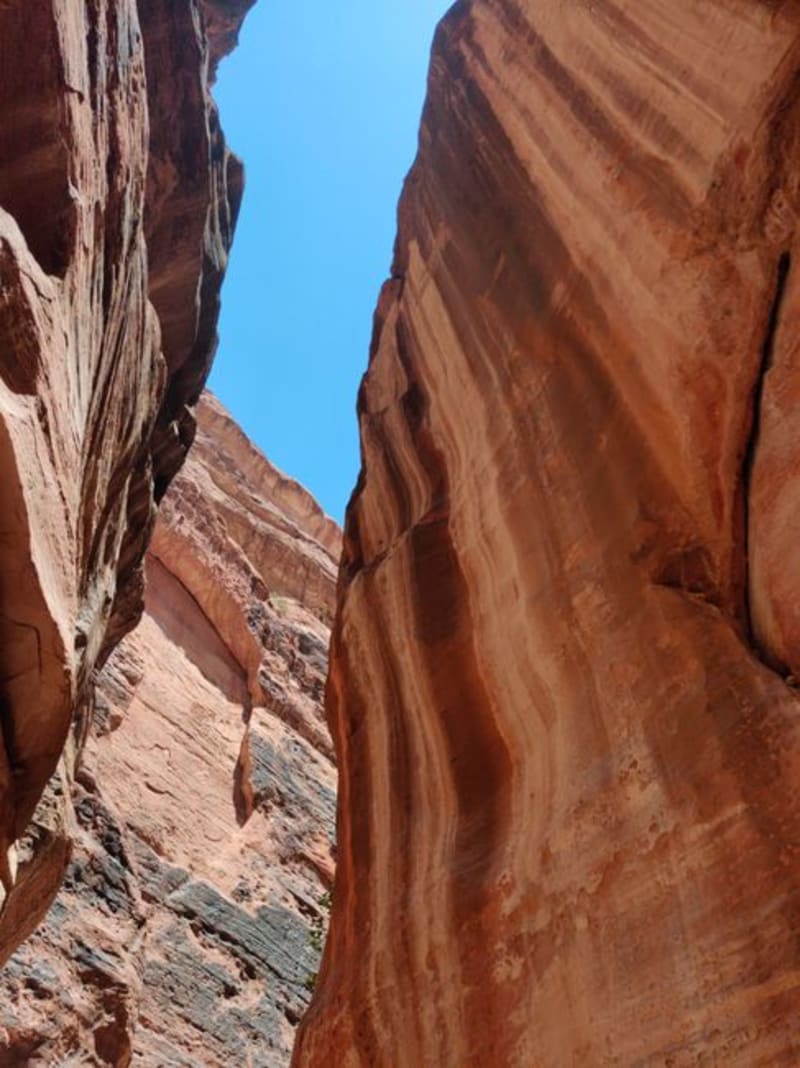 wadi-rum
 Barrah Canyon
A five-kilometer corridor of red and gold sandstone where the desert narrows into silence and the walking finally slows you down.
Explore