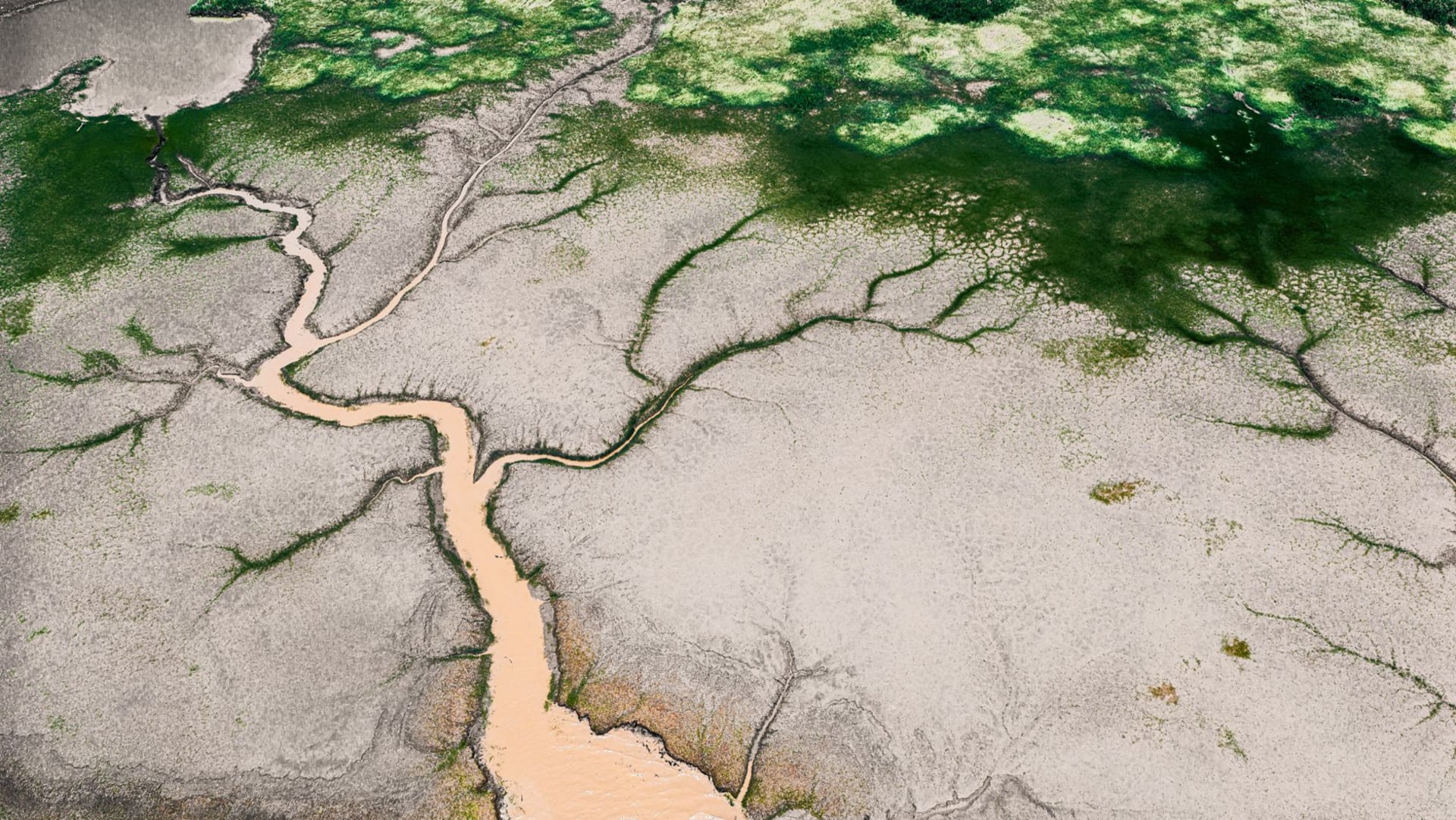
The Orinoco is Venezuela’s great river — 2100 kilometers from its Andean source to the Atlantic coast — and where it finally arrives at the sea it doesn’t do so cleanly. It fans into a delta of perhaps 40,000 square kilometers, a labyrinth of caños (channels) that split and reconnect in no pattern that seems logical from a map. In a dugout canoe, thirty minutes from the nearest town, you have no sense of which direction is the ocean and which is the continent’s interior. The jungle closes in from both banks and the water is dark with tannins and you are, for once, genuinely elsewhere.
The gateway is Tucupita, a small city in Delta Amacuro state that exists primarily as a logistics base. The lodges — some basic, some well-designed — are typically an hour or two upriver from town by motorized canoe, deep enough into the caños that the sounds change: no engines except yours, and then yours goes off.
The Warao
The Warao are one of Venezuela’s oldest indigenous peoples, and the delta is their homeland. They build their communities on stilts above the water — not as an architectural curiosity but as a practical response to flooding and insect pressure. Houses face the river; the river is the road. Children paddle to school. Elders weave palm fiber into baskets and hammocks with the speed of people who’ve done it since childhood.
Most lodges arrange visits to Warao communities as part of the itinerary, and the quality of these depends enormously on the relationship between the lodge and the people. At its best, you arrive, you sit, someone offers you something to eat, you watch daily life proceed with you in it rather than around you. At its worst, it’s a performance. Ask before you book which communities the lodge works with regularly.
Wildlife at Dawn
I was woken at five in the morning by howler monkeys — a sound that the phrase “howler monkey” does not adequately prepare you for. It’s not quite a howl; it’s more like a distant lion roar transmitted through dense foliage, arriving in waves. I lay in the hammock listening for twenty minutes before getting up to watch the river in the dark.
By six, the birds were extraordinary. The Orinoco Delta sits at the western edge of a major Atlantic flyway, and the birdlife in the canopy and along the water banks is dense: scarlet ibis in numbers that turn the mangrove branches red at dusk, herons of several species, kingfishers, parrots in noisy pairs. The pink river dolphins — toninas — surface periodically in the wider caños, usually at a distance calculated to suggest they’re aware of you without being particularly interested.
On the Water
The caños are what you’re here for. The light on the water changes every hour — deep shadow in the narrow channels, then sudden brightness when the vegetation opens. The smell is of wet soil and rotting wood and something sweet underneath, like fermented fruit. A capybara watched us from a low bank for a full minute before waddling into the undergrowth. The guides read the river in ways that take years to develop — they can tell the channel depth from the color, the current from the surface texture.
When to go: The dry season, roughly January through April, lowers water levels and concentrates wildlife around the remaining channels — excellent for birding and wildlife spotting. The wet season (May–November) raises water levels dramatically, opening the interior forests to canoe access but making some channels impassable. The dry season is more comfortable; the wet season is more dramatic. Either works; visit with low expectations about control.