Arkaim
"I came for the archaeology and stayed up half the night arguing with strangers about ley lines."
A Bronze Age ring-fortress on the Southern Ural steppe, half archaeology, half pilgrimage, entirely unlike anywhere else I've stood.
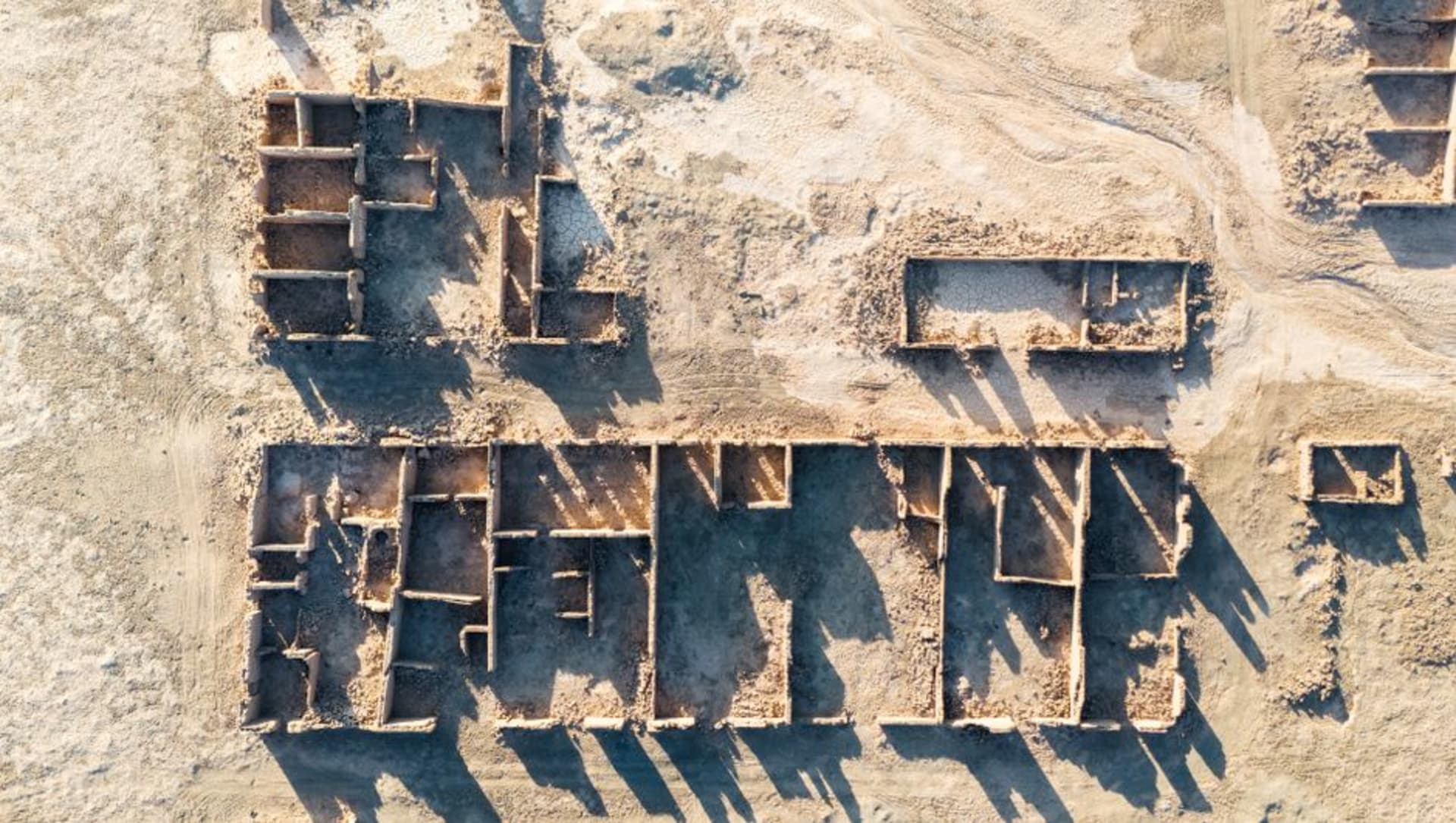
Lia found Arkaim on a forum thread buried under threads about UFO sightings, and I almost dismissed it for that reason alone. Then I read that it’s a genuine Bronze Age settlement, dug up in 1987 after a Soviet dam project nearly drowned it under a reservoir, and that archaeologists date it to around the 17th or 16th century BC. That combination — real Sintashta-culture ruins wrapped in New Age mythology — was too strange to skip. We drove out from Chelyabinsk on a flat road that seemed to go nowhere, and then the steppe just opened up, gold and empty, with a low ring of earth rising out of it like the rim of a buried bowl.
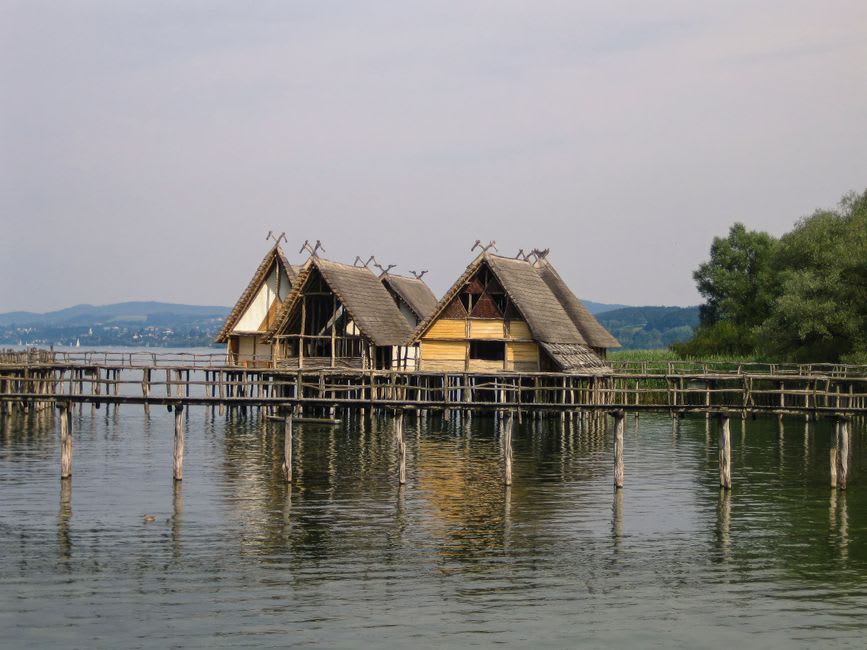
Walking the site with a guide, I kept trying to picture it as a functioning place rather than a ruin. Two concentric timber-reinforced walls, dwellings arranged like spokes around a center, evidence of metalworking in nearly every home — this wasn’t a fort in the way I’d imagined forts, it was closer to a planned town, deliberate and dense, built by people who knew exactly what they wanted from the layout. The reconstructed dwellings near the open-air museum helped me understand the roofing and hearth placement in a way the excavated foundations alone couldn’t. I stood in one of them, ducked under the low doorway, and felt genuinely floored that this had been standing millennia before Stonehenge’s later phases were even finished.
What I hadn’t expected was the crowd. We happened to be near the site close to the summer solstice, and the campground outside the reserve was full of people who’d come for something entirely different from what brought us — pilgrims, mystics, drum circles at dawn, a woman who told me with total sincerity that the site’s geometry channels planetary energy. I didn’t share the belief, but I couldn’t dismiss the sincerity either, and sitting by a fire listening to her explain her theory of the place gave me a strange respect for how many different things one patch of ground can mean to different people. It also made me appreciate, more than the archaeology alone would have, how public campaigning back in the 1980s is the only reason any of this survived the dam at all.
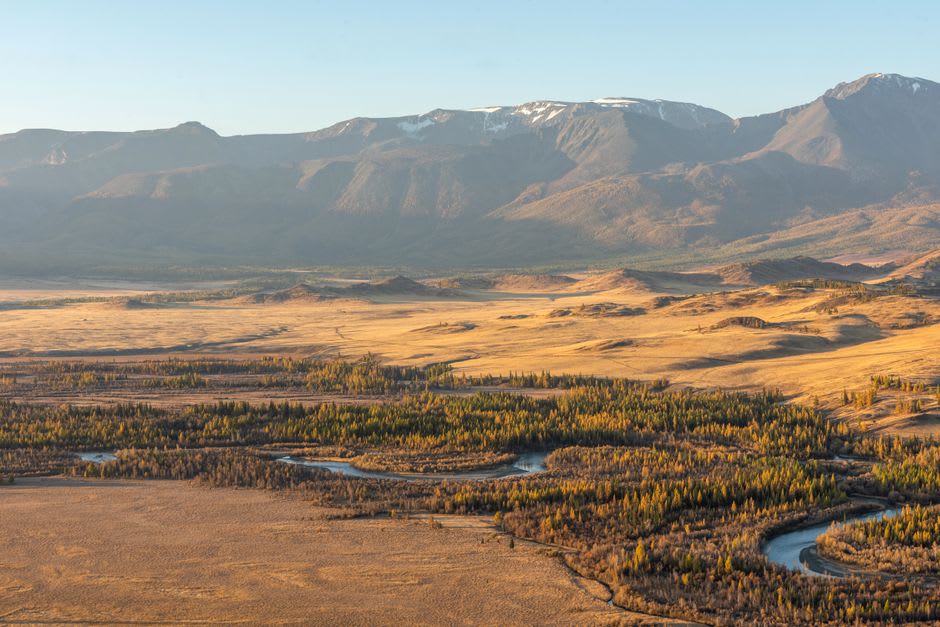
We left with dust in our shoes and no clear answer about who’s right about Arkaim’s meaning, which felt appropriate. It’s a place that resists a single story — proto-city, sacred center, protected reserve, festival ground — and I liked it more for holding all four at once.
When to go: Aim for June through August, when the steppe roads are dry, the museum and reconstructed dwellings are fully open, and you can decide for yourself whether to time your visit around the solstice crowds or well away from them.