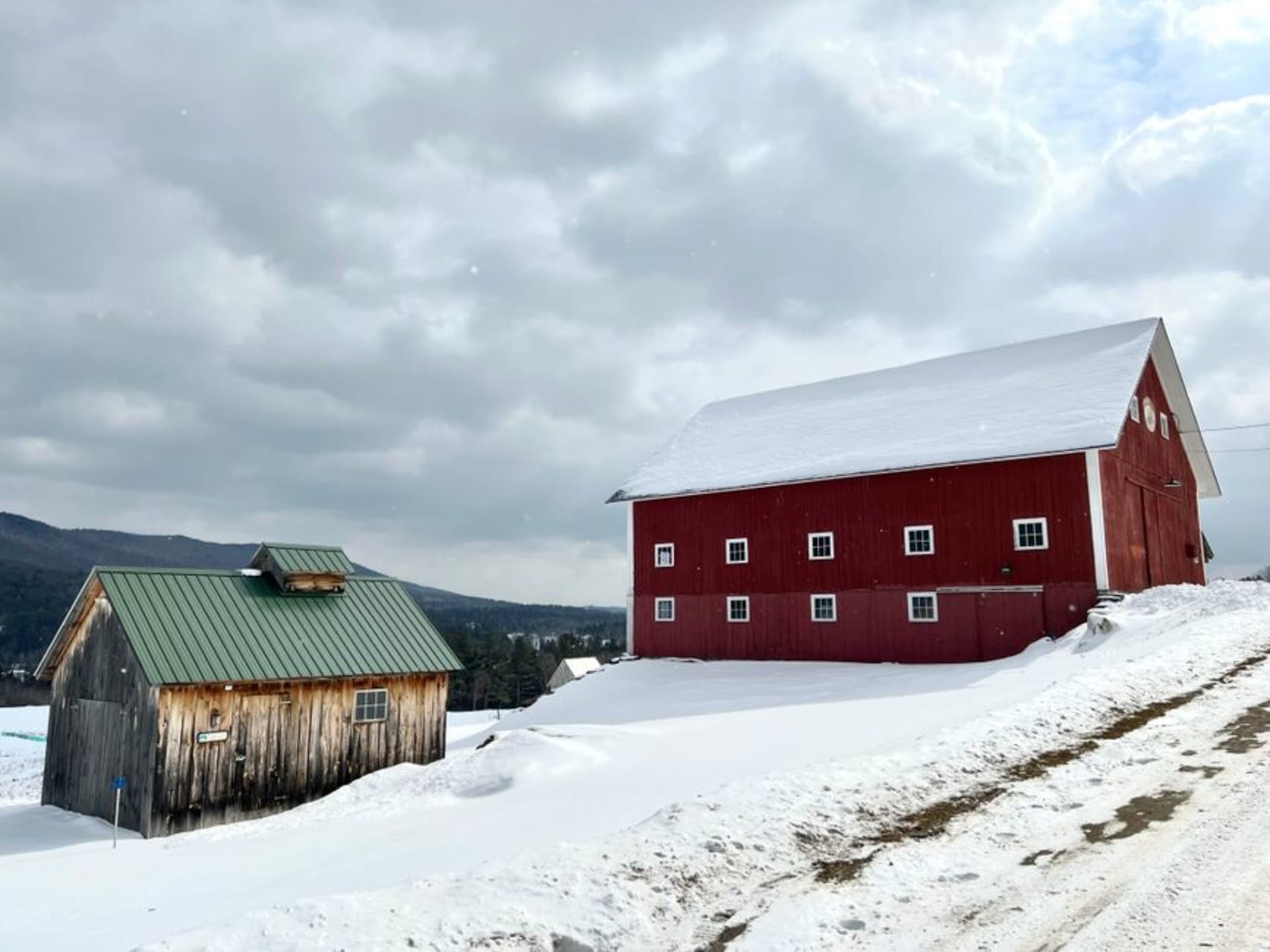
Lia and I went for the museum and stayed for the farm, and somewhere between a steamboat parked on dry land and cows grazing above Lake Champlain, we lost an entire day without noticing.
The steamboat was what got us. The Ticonderoga sits on a patch of grass at the Shelburne Museum, nowhere near water, hauled two miles overland from Lake Champlain in the winter of 1955 on rails laid across frozen fields — an engineering stunt that sounds invented until you’re standing under the hull and realize someone actually did this. The museum around it sprawls across thirty-seven buildings, a whole relocated village of Americana: a lighthouse, a round barn, a one-room schoolhouse, a covered bridge, all gathered here by Electra Havemeyer Webb starting in the 1940s like a woman building her own private country. Lia wanted to see everything. We didn’t manage it in one visit, and I’m still a little annoyed about the exhibits we skipped.
Shelburne Farms and the Webb family’s grand experiment
A short drive from the museum, Shelburne Farms is the other half of the story — the same Webb family’s working farm, fourteen hundred acres of rolling pasture and Lake Champlain shoreline now run as a nonprofit and National Historic Landmark. We walked out past the dairy barn, an enormous Richardsonian Romanesque structure that looks more like a cathedral than an agricultural building, and watched the cheesemakers through a viewing window turning that morning’s milk into the cheddar they sell in the farm store. From the highest point on the property you can see clear across the lake to the Adirondacks, blue and serrated on the New York side, and it’s easy to understand why the Webbs picked this exact hill for their mansion.
Wine on the shoreline
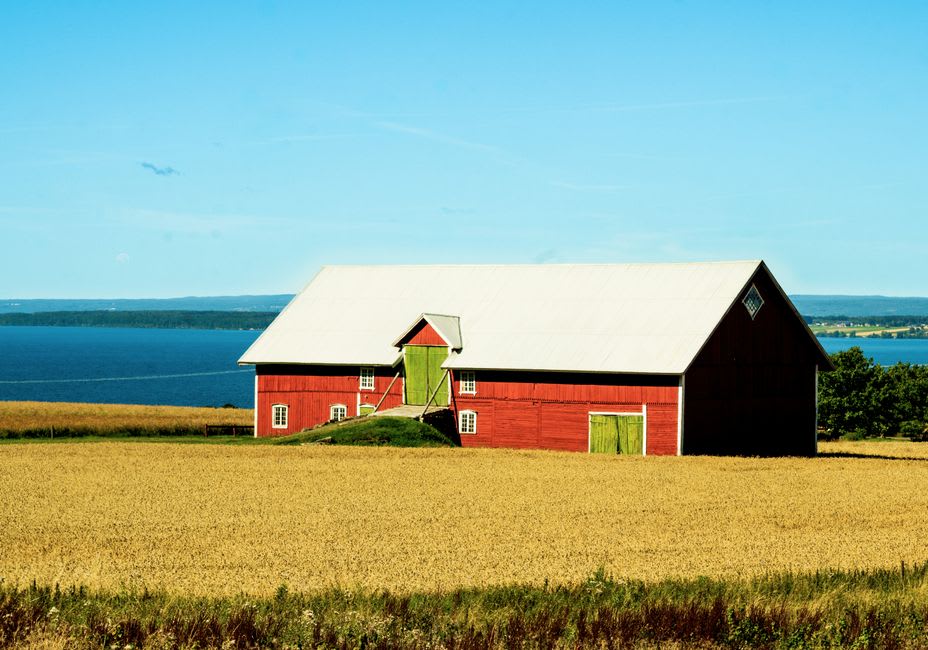
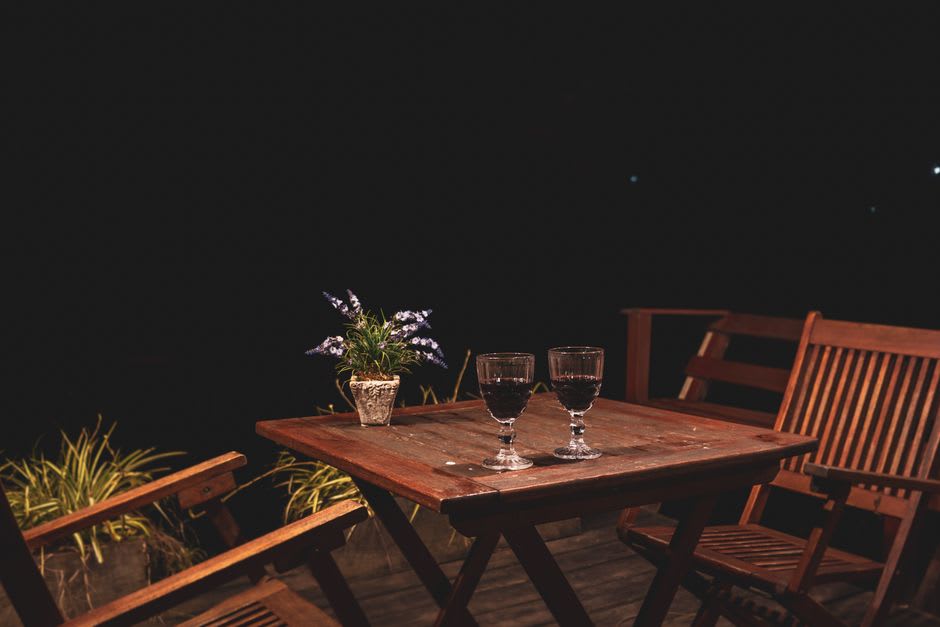
We ended the day at Shelburne Vineyard, a small operation growing cold-hardy grape varieties that actually survive Vermont winters, which isn’t something I’d have assumed possible before tasting their Marquette on a patio looking toward the water. The wine was good, unpretentious, a little tart in a way that felt honest to the climate. Lake Champlain itself kept catching my eye all afternoon — that huge, quiet expanse of water with Vermont on one side and New York’s mountains on the other, sailboats leaning into an evening breeze while we finished our glasses.
Getting There
Shelburne sits just fifteen minutes south of Burlington International Airport, making it one of the easier Vermont towns to reach — you could fly in and be walking the museum grounds within the hour. From Boston it’s about a three-and-a-half-hour drive north on I-89. A car isn’t strictly required if you’re staying near the village center, but to properly cover both the museum and the farm, which sit a couple of miles apart, having one makes the day far easier.
Keep exploring
More of Vermont