Rutland
"Rutland built half of America's monuments out of marble and kept none of the fuss for itself."
Vermont's third-largest city turned out to be exactly the kind of unglamorous, working place I like best — a marble-veined downtown, a Saturday market that's been going since before I was born, and a train platform that still means something.
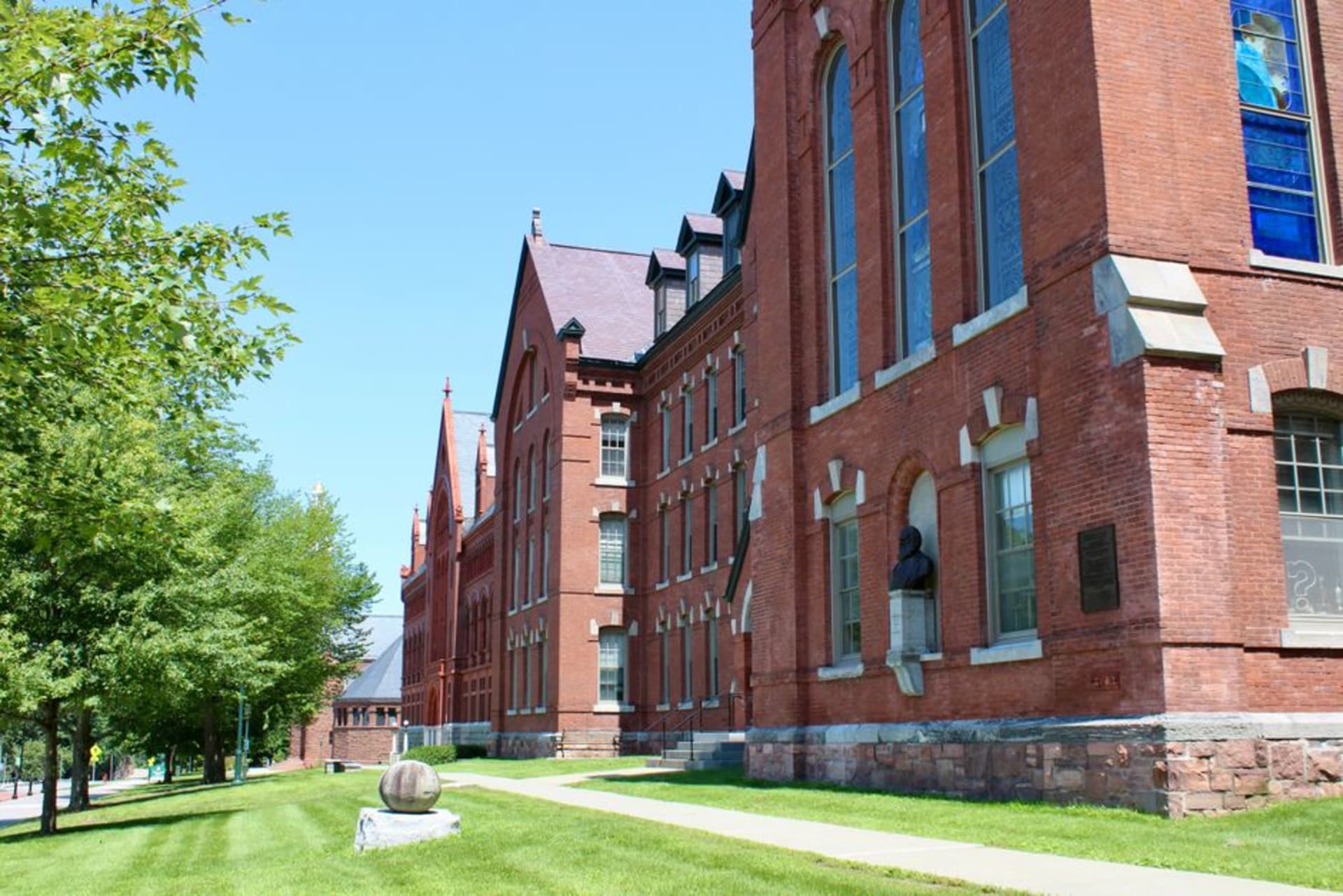
Nobody had told me Rutland was a marble town until I noticed it in the buildings — a certain white-gray gleam in the window sills and the front steps of Merchants Row that I couldn’t place at first. Vermont’s third-largest city sits in a valley ringed by the Green Mountains, and for a stretch of the nineteenth and twentieth centuries the quarries just outside town supplied marble to projects as far away as Washington, D.C.; the Jefferson Memorial is built from stone that came out of the ground near here. Rutland doesn’t advertise this fact loudly. It’s a working city first, one that still moves at the pace of people who have somewhere to be, and I liked it immediately for not performing quaintness the way so many Vermont towns do.
Merchants Row and the Paramount Theatre
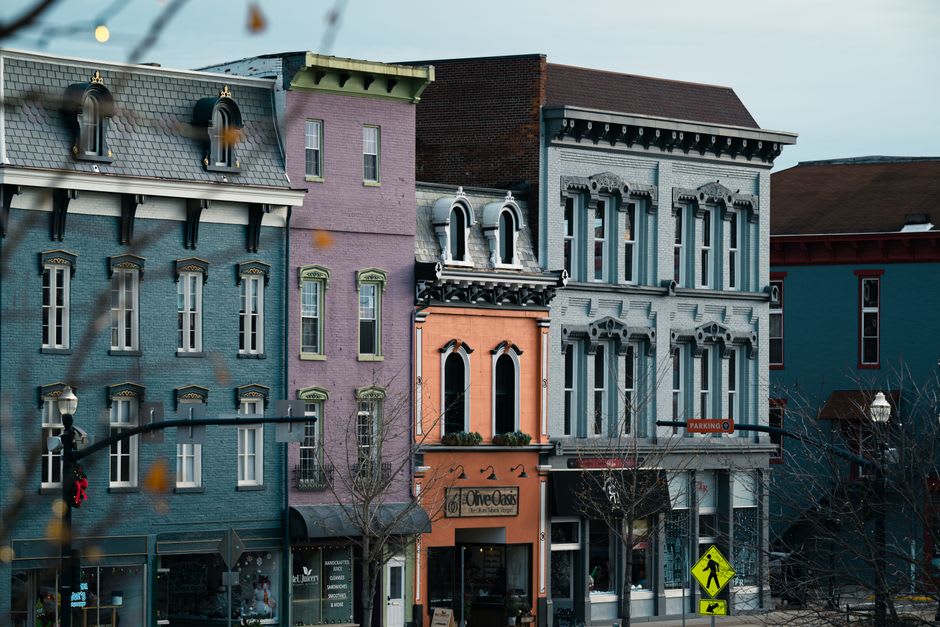
I spent my first afternoon just walking Merchants Row, the spine of downtown, where brick storefronts from the marble-boom era house diners, a hardware store, and a used bookshop I lost an hour in without meaning to. The Paramount Theatre anchors one block — a restored 1914 vaudeville house with a gilded proscenium arch that still hosts touring shows and local productions, and I ducked inside during a rehearsal just to see the ceiling, painted in a way that made the whole room feel taller than it was. Amtrak’s Ethan Allen Express stops in Rutland too, and there’s something satisfying about a Vermont city where you can still arrive by rail, the station a low brick building a few blocks from the main drag.
The farmers market and marble country
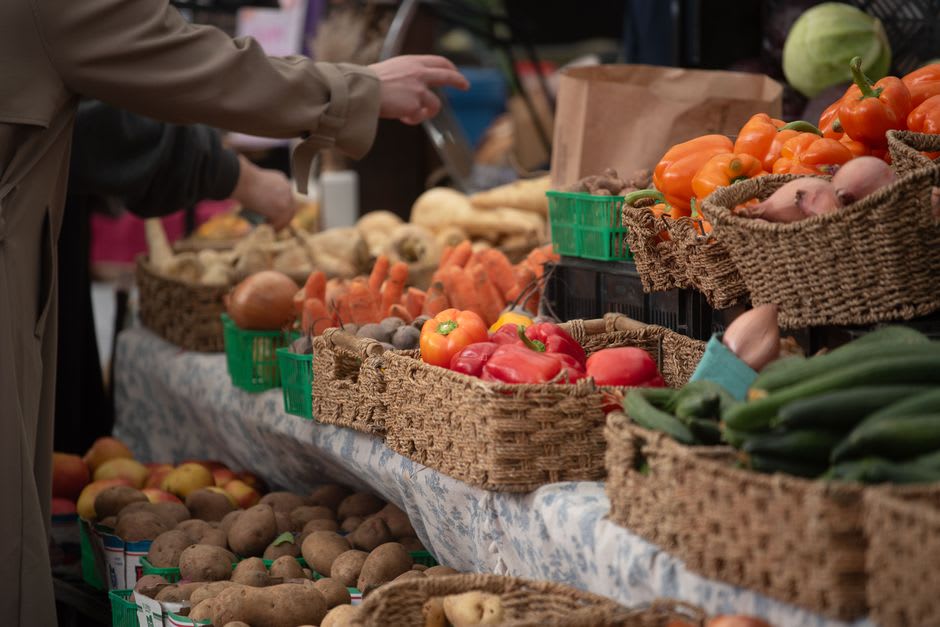
The Rutland Farmers Market, one of the oldest in the state, sets up on Saturdays with a density of maple syrup vendors, cheesemakers, and vegetable stands that made me realize how much of Vermont’s food economy still runs through small tables and cash boxes. I bought a wedge of cheddar from a woman who’d made it that week on a farm twenty minutes out of town and ate most of it before I got back to the car. Later I drove out toward the old quarries west of the city, where you can still see the scars in the hillsides — pale gashes of exposed marble, some flooded into eerie turquoise pools, a landscape that looks almost lunar against all that green.
Getting There
Rutland has its own small regional airport, but for real flight options you’re looking at Burlington International, about an hour and a half north, or Albany International, roughly ninety minutes southwest. Amtrak’s Ethan Allen Express connects Rutland directly to New York City in around five and a half hours, which is a genuinely pleasant way to arrive without a car. That said, if you want to reach the Green Mountains or the old quarry sites beyond downtown, a car is the more practical choice.
Keep exploring
More of Vermont