Gateway to arches and canyonlands — a red desert playground for hikers, bikers, and stargazers.
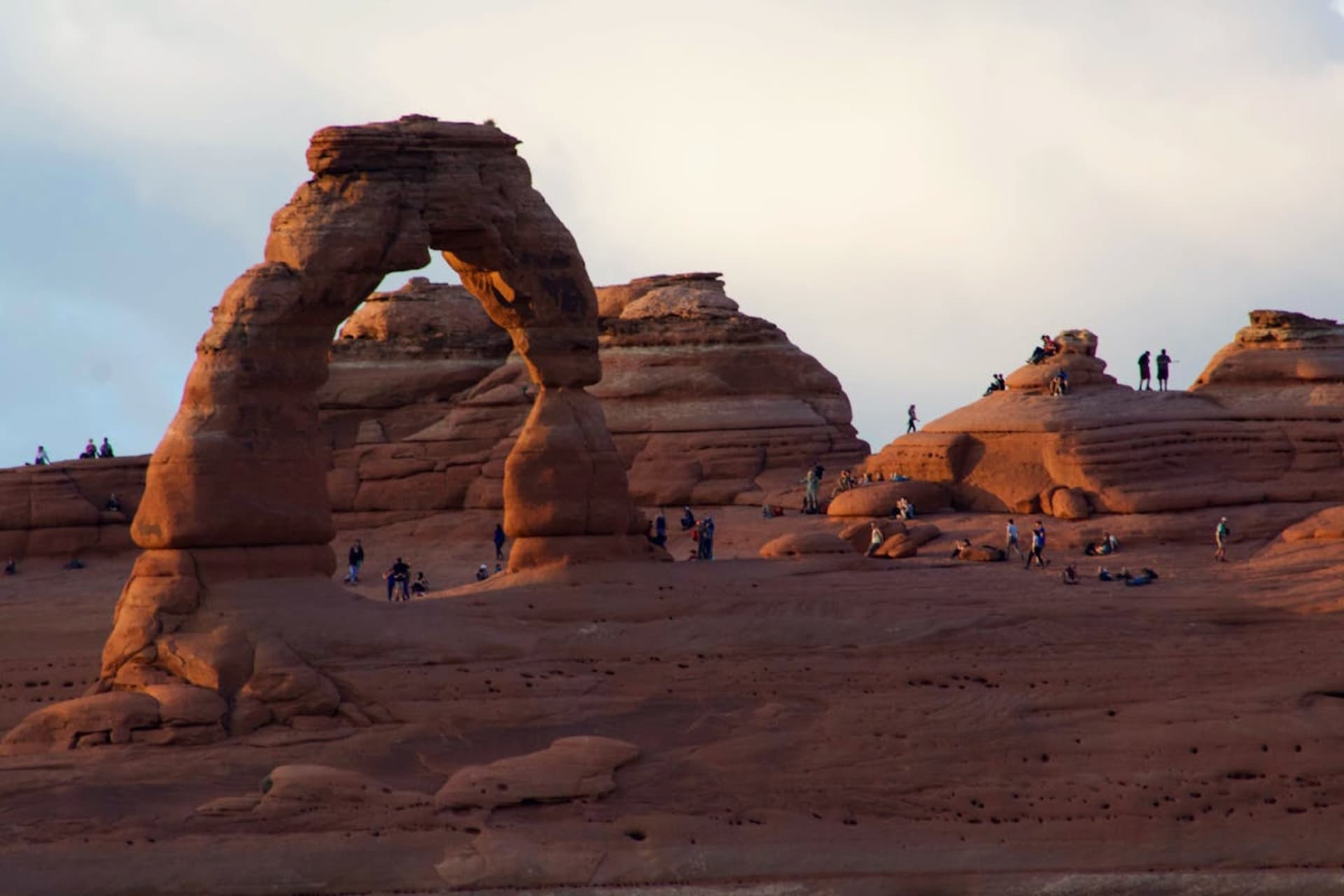
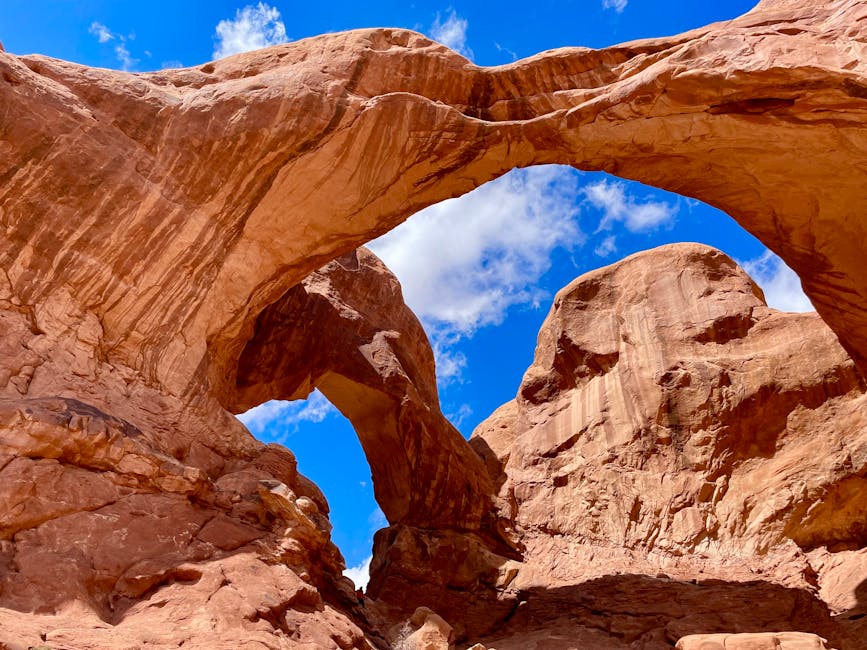
Moab sits between two of America’s most stunning national parks. Arches contains over 2,000 natural stone arches, including the iconic Delicate Arch — a freestanding curve of red sandstone framing the La Sal Mountains at sunset. Canyonlands spreads across a vast wilderness of mesas, buttes, and deep river canyons carved by the Colorado and Green Rivers. Both parks feel like walking through a geology textbook brought to life.
The hike to Delicate Arch is a pilgrimage. There is no other word for it. You walk uphill across slickrock for an hour and a half, the arch hidden until the final moment, and then you round a curve and it stands there — freestanding, improbable, a sixty-five-foot span of sandstone that has been slowly eroding for the last hundred thousand years and will eventually collapse, but not today. I arrived at sunset with perhaps fifty other people, all of us arranged in a natural amphitheater below the arch, watching the light shift from gold to orange to deep red. Nobody spoke. The silence was not awkward — it was appropriate.
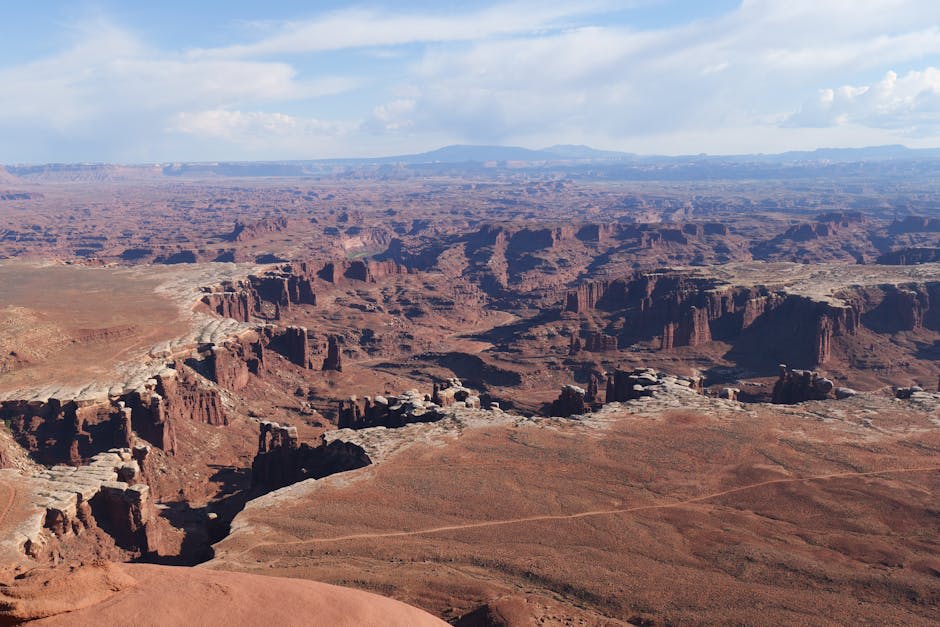
Canyonlands is Moab’s other revelation, and it is the wilder of the two parks. The Island in the Sky district offers mesa-top views that make you feel like you are standing on the prow of a ship sailing across a sea of canyons. The Needles district is more remote, more demanding, and more rewarding — sandstone spires in red and white bands rising from a landscape that looks like it belongs on Mars. The Colorado River cuts through the bottom of it all, and a rafting trip through Cataract Canyon is one of the great American adventures — class IV rapids in a canyon so deep the sky becomes a narrow blue ribbon overhead.
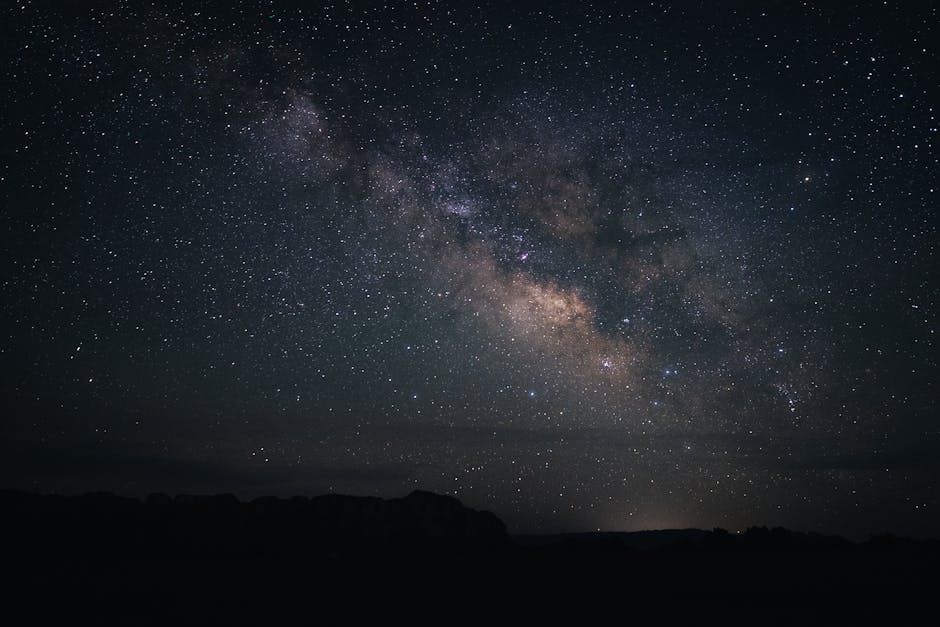
The town itself is small but purpose-built for adventure. Mountain biking on the Slickrock Trail — a legendary loop across undulating sandstone that is unlike any trail surface I have encountered — draws riders from around the world. At night, the lack of light pollution turns the sky into a planetarium. I lay on the slickrock outside town at midnight and watched the Milky Way arc overhead with a clarity that I have only experienced in the deep Sahara. Moab is not a place for relaxation — it is a place for awe, and it delivers without reservation.
When to go: March through May and September through November. Summer temperatures regularly exceed 100 degrees; spring wildflowers and fall colors are spectacular.
Keep exploring
More of Utah