Exeter
"Exeter has been arguing about ideas — and educating people to argue about them well — since before the country existed."
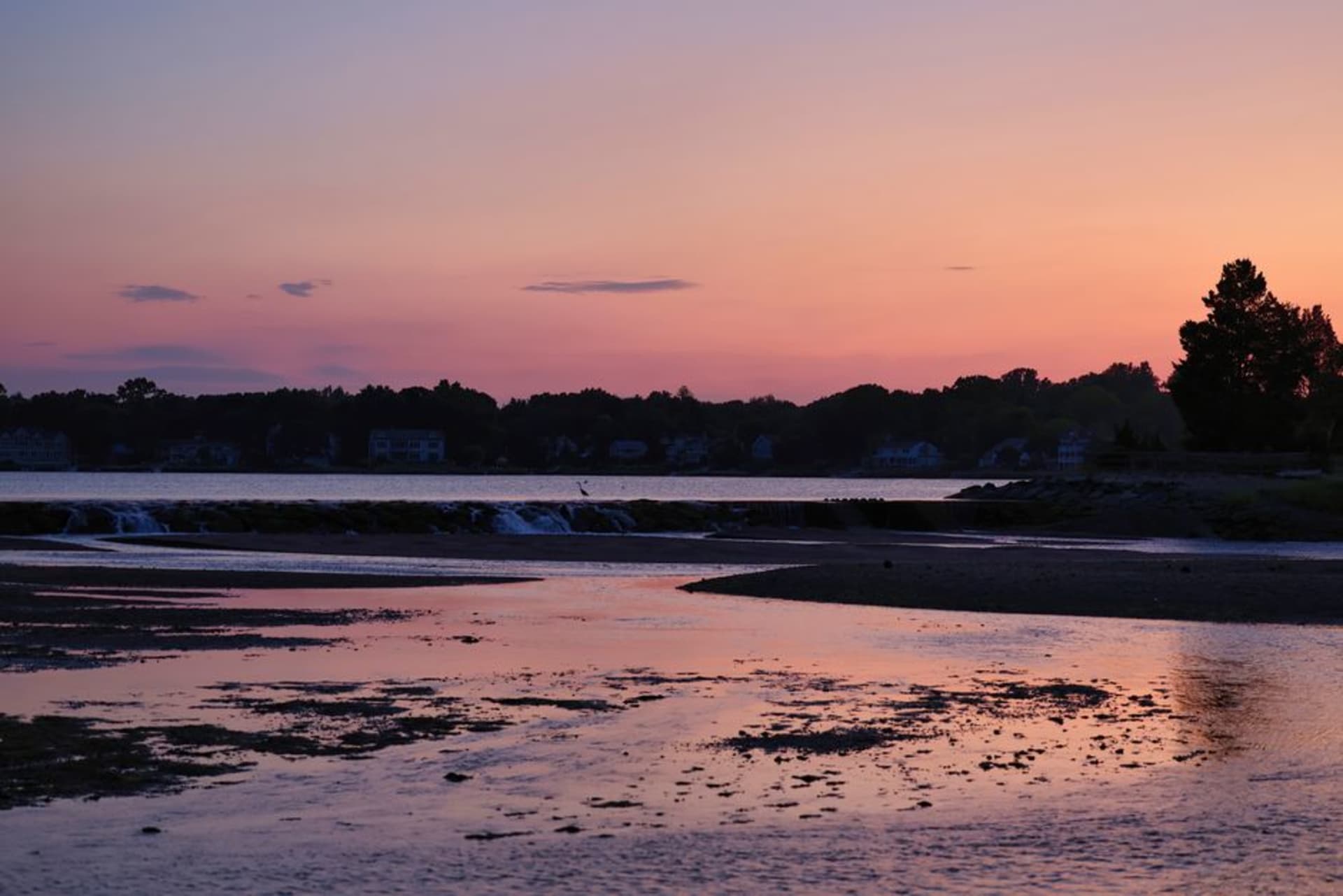
A colonial river town built around one of America's oldest prep schools, where the tidal Squamscott River meets a genuinely lovely brick downtown. Lia and I got lost in the Phillips Exeter library on purpose and didn't regret it.
Exeter was founded in 1638 by a Puritan minister exiled from Massachusetts for his religious views, and that streak of contrarian intellectualism seems to have stuck around, most visibly in Phillips Exeter Academy, the elite boarding school whose campus takes up a good chunk of the town’s center. Lia and I wandered onto the grounds on a quiet Saturday, half expecting to be stopped, but found the campus genuinely open, students cutting across the lawns between brick dormitories older than most American cities.
The Exeter Library
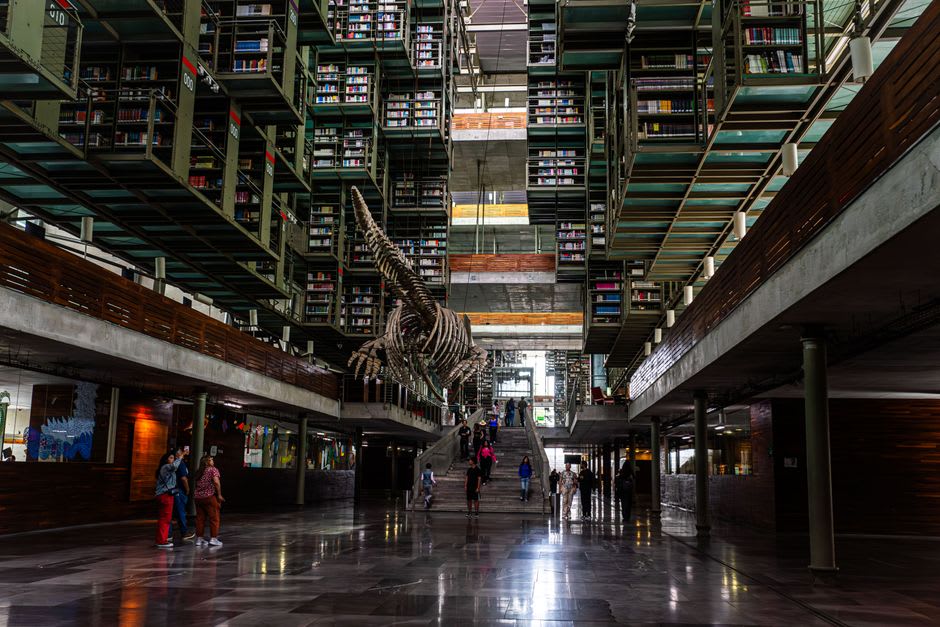
The centerpiece of campus is the Class of 1945 Library, a Louis Kahn building considered one of the great works of twentieth-century American architecture — a hollow concrete-and-brick square wrapped around a soaring central atrium, with reading carrels tucked into deep window bays that flood with natural light. We asked at the front desk and were allowed to look around the public areas, and I stood in that atrium longer than I’ve stood in most cathedrals, genuinely unsettled by how much a library building can move you.
Water Street and the tidal river
Downtown, Water Street slopes down to the Squamscott River, which is tidal this far inland — a detail that surprised us until we watched the current visibly reverse over the course of an afternoon coffee. A small dam and falls mark the head of navigation, and old brick mill buildings along the bank have been converted into shops and a bookstore where we spent almost an hour, the owner recommending a stack of New England history titles she clearly loved more than she cared about selling them.

Getting There
Exeter is about an hour north of Boston Logan International Airport (BOS) via I-95 and Route 101, making it an easy day trip from the city or a stop on the way up the Seacoast toward Portsmouth. A car is the most practical way in and around; downtown itself is small and walkable.
Keep exploring
More of New Hampshire