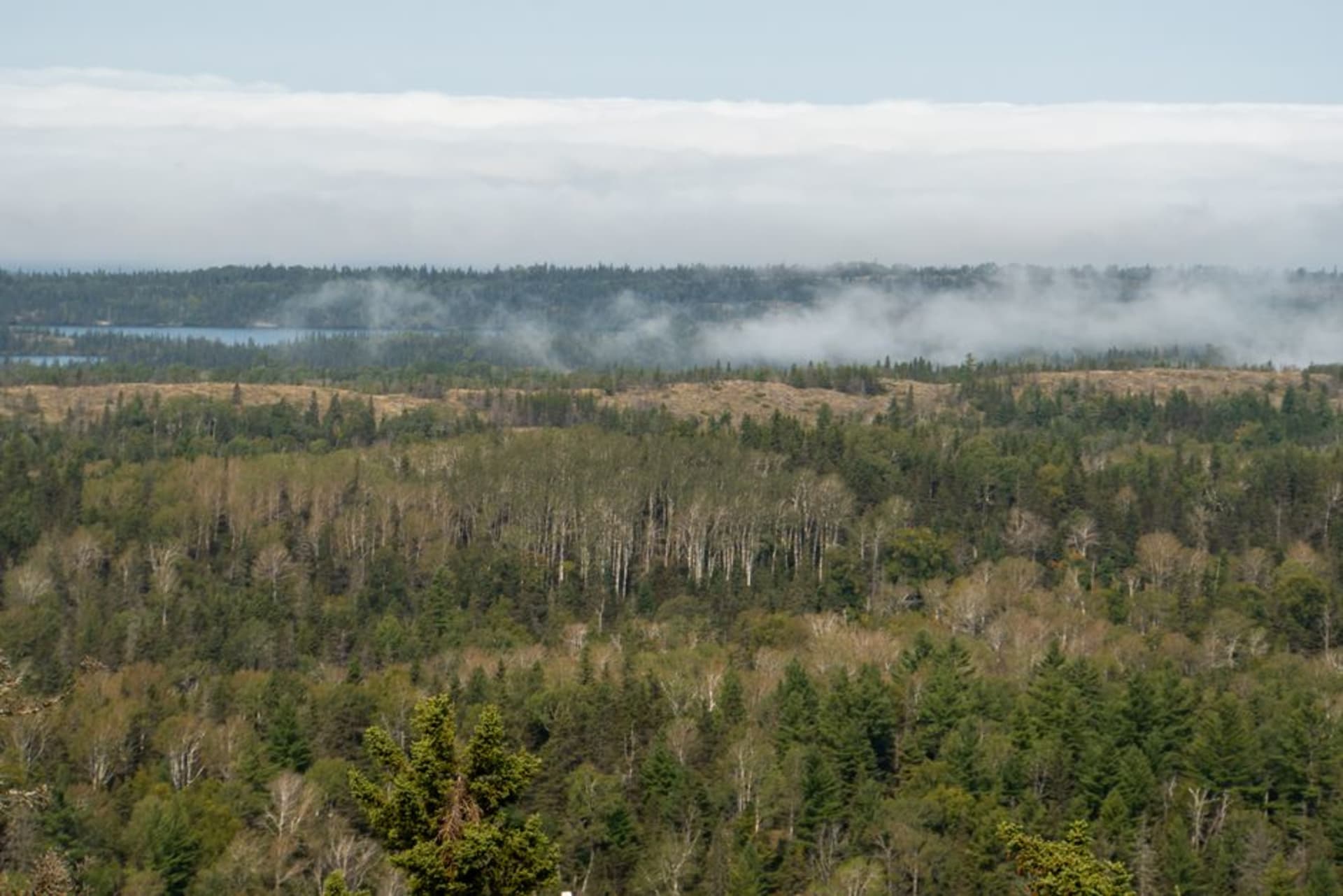
A wilderness island adrift in the cold vastness of Lake Superior, reachable only by boat or seaplane and closed for half the year. Moose wade its shallows, wolves haunt its ridges, and the coves are so quiet you can hear your own pulse. It is the least-visited national park in the country, and we have never felt more gloriously cut off.
Getting to Isle Royale is a commitment, and I think the island prefers it that way. The ferry from the Michigan mainland takes hours across Lake Superior, the largest freshwater lake on earth, and for much of the crossing there is nothing to see but grey water meeting grey sky. Lia turned a little green and I held the rail and neither of us spoke much. Then the island appeared — a long, low, forested spine — and by the time we stepped off at Rock Harbor the mainland felt not just distant but irrelevant. This is the only national park that closes entirely for winter, sealed off by ice and storm from November to April. You feel that seasonal fragility the moment you arrive.
The Moose
We had barely dropped our packs before we saw our first moose. It was standing chest-deep in a still cove, water streaming off its muzzle as it lifted its head from feeding, and it regarded us with total indifference before going back to its meal. Isle Royale is famous for its moose and wolves, locked together in the longest-running predator-prey study in the world — scientists have watched the two populations rise and crash here for over sixty years. We never saw a wolf; almost no one does. But we saw moose daily, wading the shallows and crashing through the birch, and each time Lia gripped my arm and we both stopped breathing until it moved on.
Walking the Ridges
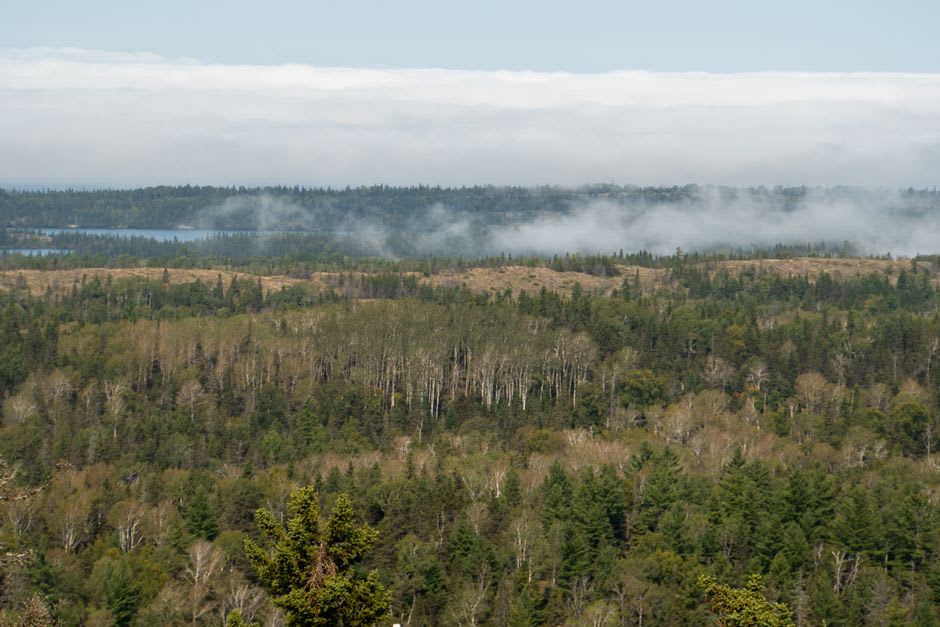
We hiked a stretch of the Greenstone Ridge, the rocky backbone that runs the island’s length, and the walking was harder and lovelier than we’d planned for. The trail climbed through boreal forest — spruce, birch, the smell of resin and wet stone — and broke out onto open ridgetops where you could see water on both sides, the great blue plate of Superior wrapping the whole horizon. There are no roads on Isle Royale, no cars, no engines; the only way through is on foot or by paddle. By the second day my legs ached and my phone had been dead for hours and I realised I hadn’t thought about anything back home at all. Lia said she felt the same, lighter somehow, scraped clean.
The Quiet Coves
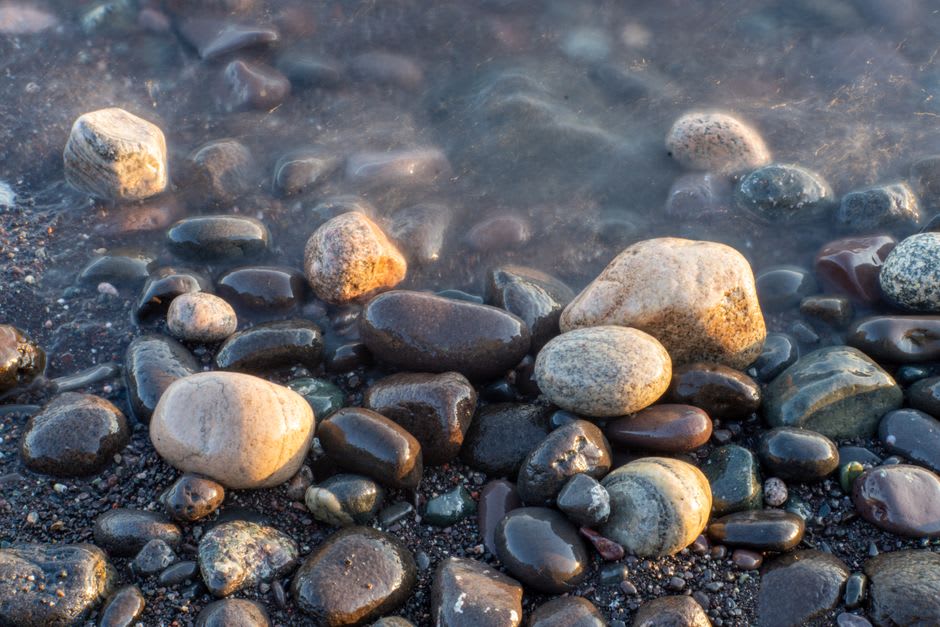
In the evenings we found coves. The island’s edges are all inlets and rocky fingers, and we’d sit on the smooth basalt with our feet almost in that painfully clear, painfully cold water, and simply listen. The quiet at Isle Royale is not an absence but a presence — you become aware of small sounds, a loon far off, the tick of cooling rock, water lapping stone. This is the least-visited national park in the lower forty-eight, and on our cove in the long northern dusk we saw no one at all. Lia skipped a flat stone and we both watched the rings widen and fade, and neither of us reached for a camera, which is how I know it mattered.
Getting There
Isle Royale is open only from mid-April to the end of October, and reaching it takes planning. Ferries run from Houghton and Copper Harbor in Michigan’s Upper Peninsula, and from Grand Portage in Minnesota; a seaplane from Houghton is the fast, splurge alternative. Crossings are long and lake weather can cancel them, so build in slack days. There is a single lodge at Rock Harbor; everyone else camps, and you must carry in your own food and pack out everything, filtering water as you go. Come prepared for cold even in summer and for genuine solitude. This is not a park you drop into for an afternoon — give it three days at least, and let the crossing do its work on you.
Keep exploring
More of Michigan