Craters of the Moon
"Lia said it looked like the world had been set on fire and left to cool."
A surreal ocean of black lava spreading across the high Idaho plain, where cinder cones rise from frozen rivers of basalt and the ground crunches like burnt sugar underfoot. Astronauts trained here for the moon. Walking it, you understand exactly why.
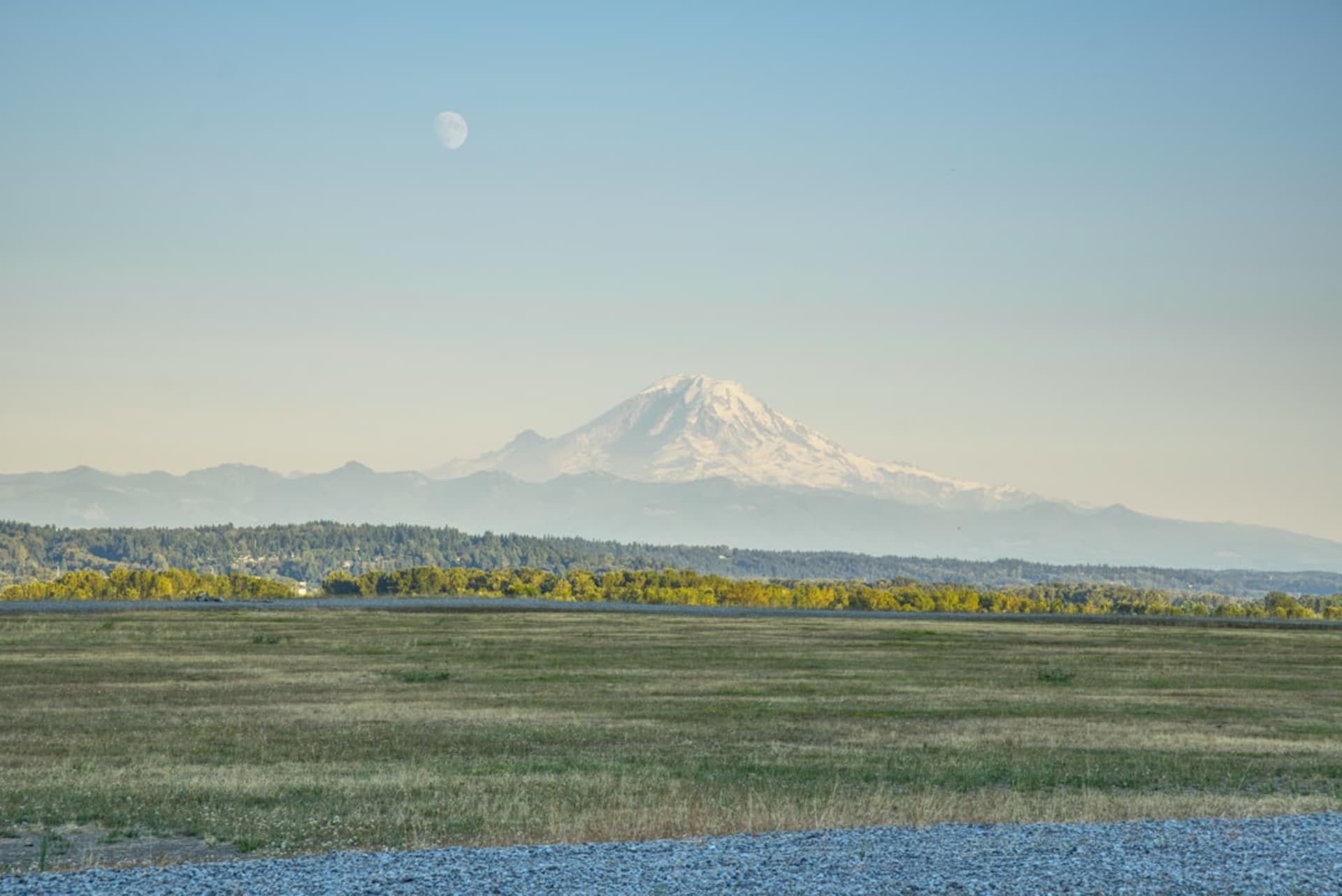
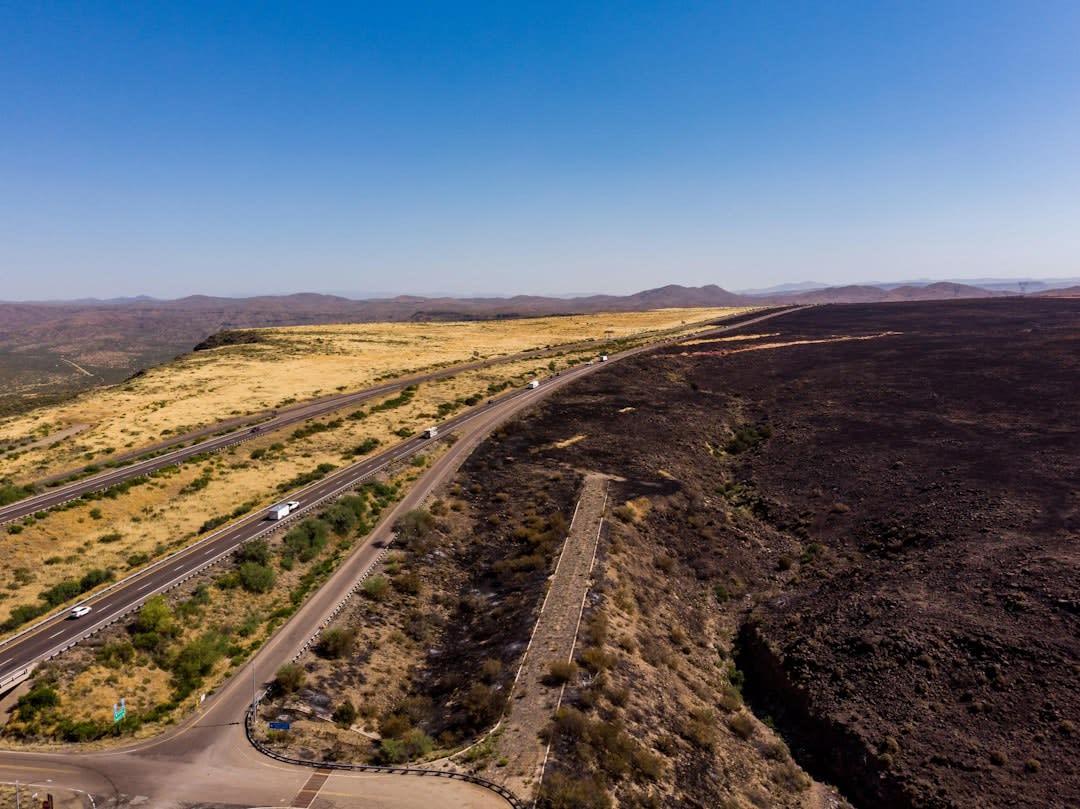
We came over a rise on Highway 20 expecting more of the sagebrush plain we had been crossing for an hour, and instead the earth turned black. Not brown, not dark — black, a sea of it, jagged and glittering and utterly still, running to the base of distant snow-streaked mountains. I pulled over without deciding to. Lia rolled down the window and the first thing we noticed was the smell: hot dust and something faintly mineral, the ghost of fire long gone cold.
Walking on Cinder
The loop road threads into the flows, and we started at the North Crater Flow trail, stepping off pavement onto a path of crushed black cinder that crunched and shifted under our boots like frozen surf. The lava here is only a couple of thousand years old — geologically, it happened this morning — and it shows. Ropey pahoehoe folds over itself in glossy coils; sharp aa rubble threatens your ankles; and here and there a single gnarled limber pine or a cluster of impossibly pink dwarf monkeyflowers has clawed out a foothold in the void. NASA sent Apollo astronauts here in 1969 to study volcanic geology before they walked on the actual moon, and standing in the middle of that black expanse under a merciless sky, I found the comparison less quaint than obvious. It genuinely feels off-planet.
Climbing Inferno Cone
Inferno Cone looked like a modest black hill from the parking lot. The climb up its steep flank — bare cinder the whole way, every step sliding back half its distance — taught me otherwise. Lia reached the top well ahead of me, of course, and when I finally hauled up beside her, breathing hard, the reward silenced both of us. From the summit the entire lava field spreads out in every direction: a chain of cinder cones marching along the Great Rift, the Pioneer Mountains floating white on the horizon, and a lone twisted tree at the very top bent by decades of wind. We sat in that wind for a long while. There is a particular loneliness to a viewpoint like this, and it is the good kind — the kind that resets something.
Into the Caves
The last thing we did was descend, and it was the strangest part. Beneath the flows, the lava left tubes — caves formed when the surface of a molten river hardened while the fire kept flowing below. We picked up a free permit at the visitor center, borrowed headlamps, and climbed down into Indian Tunnel, a broad collapsed tube where shafts of daylight fall through holes in the roof onto a floor of tumbled black rock. It was cool and echoing and quiet in a way the surface never is. Lia went ahead into a darker branch and her voice came back distorted and small. We emerged blinking into the heat twenty minutes later, dusted in fine black grit, both of us grinning like children who had found a door into the earth.
Getting There
Craters of the Moon National Monument sits in south-central Idaho on Highway 20/26/93, roughly midway between Boise (about three hours west) and Idaho Falls (about ninety minutes east). There is no public transport; you need a car. The seven-mile scenic loop road is usually open from late spring through autumn and closed by snow in winter, when the flows become a stark white-and-black ski route. Stop at the visitor center for cave permits — required to protect resident bats — and carry far more water than seems reasonable, because the black lava radiates heat and there is no shade anywhere. Early morning or the hour before sunset gives the flows their deepest color.
Keep exploring
More of Idaho